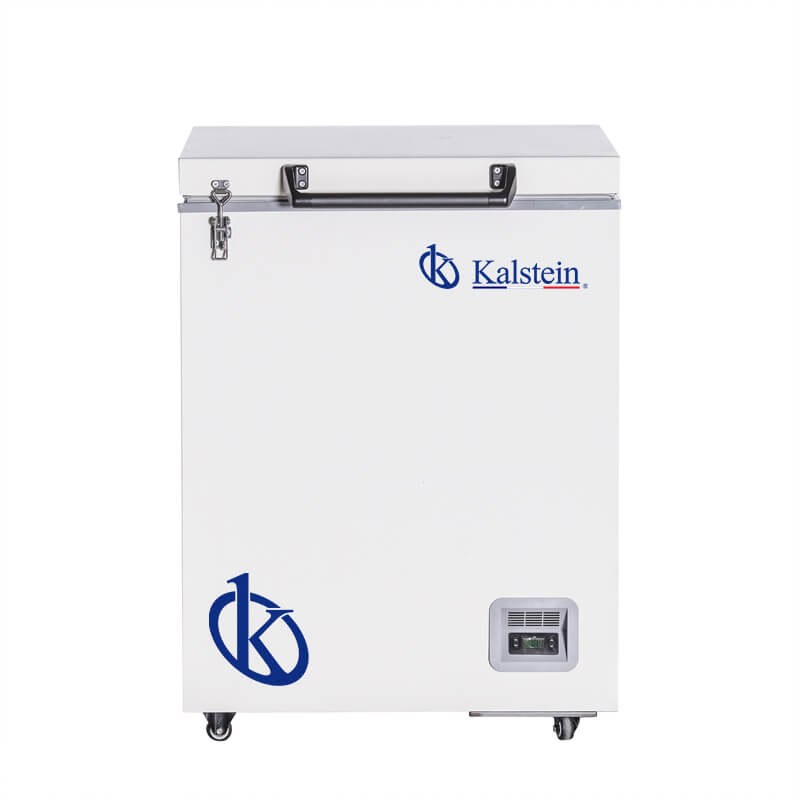
How to Achieve Energy Sustainability and Reduce Environmental Footprint with Chest Freezers
In modern laboratories, the need for energy sustainability and minimizing environmental footprints is becoming increasingly essential. Chest freezers play a crucial role in this regard, not only in functionality but also in energy efficiency and environmental safety. Laboratories are required to store various samples under stringent conditions, making the choice of freezer vital. This article delves into how different chest freezer models can be optimally utilized to achieve energy sustainability while maintaining performance standards.
Understanding Energy Sustainability in Laboratory Freezers
Energy sustainability in laboratory freezers involves using devices that consume less energy while maintaining effective storage temperatures. A sustainable laboratory freezer not only minimizes operational costs but also reduces the overall carbon footprint. By choosing models designed with energy-efficient technology, laboratories can significantly cut down on their electricity consumption, contributing positively to environmental conservation efforts.
Key Features of Energy Efficient Chest Freezers
Energy-efficient chest freezers typically incorporate advanced cooling technologies such as environmentally friendly refrigerants, precise temperature control systems, and improved insulation. These features ensure that the energy usage is minimized without compromising the quality of sample preservation. Furthermore, many models are equipped with alarms for temperature fluctuations, which help maintain optimal storage conditions while preventing energy waste.
Comparison of Available Models
| Model | Energy Consumption (kWh/24h) | Temperature Range (°C) | Cooling Method | Best For |
|---|---|---|---|---|
| YR05102 | 1.65 | -10 to -40 | Direct Cooling | General lab use |
| YR05103 | 1.68 | -10 to -40 | Direct Cooling | General lab use |
| YR05104 | 3.45 | -20 to -40 | Direct Cooling | Long-term storage |
| YR05314 | 11.5 | -40 to -86 | Direct Cooling | Ultra-low temperature research |
| YR05313 | 3.8 | -40 to -86 | Direct Cooling | Small laboratory spaces |
| YR05315 | 3.2 | -25 to -60 | Direct Cooling | Biomedical storage |
Reducing Environmental Impact with Refrigerants
Environmental impact is significantly influenced by the type of refrigerants used in chest freezers. Many modern models, including the YR05102 and YR05103, use R290, a refrigerant that is known for its low global warming potential compared to traditional refrigerants. By opting for such models, laboratories can improve their sustainability practices while ensuring compliance with environmental regulations.
Implementing Energy Tracking Metrics
To successfully manage energy consumption, laboratories should implement tracking metrics that measure energy efficiency. These metrics can include kWh consumed per sample stored or energy consumption relative to the ambient temperature. For instance, the YR05314 provides detailed readings on energy usage, allowing labs to adjust their practices for optimal efficiency.
Lifecycle Assessment of Chest Freezers
A lifecycle assessment (LCA) helps evaluate the environmental impacts associated with all the stages of a product's life. Laboratories should conduct LCAs for their freezers, examining energy consumption during production, operation, and disposal. By selecting models with lower LCA scores, such as the YR05102 and YR05103, labs can make informed choices that align with their energy sustainability goals.
Common Mistakes and How to Avoid Them
One common mistake in selecting chest freezers is focusing solely on purchase price rather than the long-term energy costs. Laboratories should consider models' energy consumption rates to ensure they are investing in truly sustainable solutions. Additionally, neglecting proper maintenance can lead to higher energy bills and reduced efficiency. Regular checks and cleaning of condenser coils can help maintain optimal performance and energy savings.
Frequently Asked Questions
How can a chest freezer contribute to energy sustainability in a lab?
A chest freezer can enhance energy sustainability by utilizing eco-friendly refrigerants and energy-efficient technologies. For instance, models like the YR05102 are designed to consume less energy while maintaining low temperatures, significantly lowering the laboratory's overall energy usage.
What is the energy consumption of the YR05314 chest freezer for ultra-low temperatures?
The YR05314 model consumes approximately 11.5 kWh per day while providing ultra-low temperatures ranging from -40 to -86 degrees Celsius. This high performance is crucial for laboratories needing to store sensitive samples while managing energy costs effectively.
What refrigerants are used in modern chest freezers to reduce environmental impact?
Modern chest freezers, like the YR05102 and YR05103, utilize R290 refrigerant, which has a significantly lower global warming potential compared to traditional CFCs. This helps reduce the environmental impact of refrigeration systems in laboratories.
How does regular maintenance affect the sustainability of chest freezers?
Regular maintenance ensures energy-efficient operation by keeping components like condenser coils clean. Neglecting maintenance can lead to increased energy consumption due to inefficiency, negatively impacting the sustainability of models such as the YR05104.
What features should I look for in an energy-efficient chest freezer?
A good energy-efficient chest freezer should have features like precise temperature control, eco-friendly refrigerants, and energy consumption monitoring. The YR05313 model, for example, provides robust insulation and efficient cooling mechanisms, making it ideal for sustainability-conscious laboratories.
Which chest freezers are best for laboratories focusing on energy sustainability?
Models like the YR05102 and YR05103 are excellent choices for laboratories aiming for energy sustainability, as they offer low energy consumption rates while maintaining adequate storage conditions for various samples.
What role does lifecycle assessment play in selecting a chest freezer?
A lifecycle assessment assists labs in choosing freezers by evaluating their energy consumption from production to disposal. Opting for models with lower environmental impact scores, such as the YR05102, promotes sustainability throughout the product's lifespan.
How can I track the energy efficiency of my chest freezer?
Energy efficiency can be tracked by monitoring kilowatt-hours consumed relative to the number of samples stored. Models like the YR05314 provide features that facilitate energy tracking, helping laboratories optimize their operations for sustainability.
If you are looking for a fusion of innovation and quality, you have come to the right place. At Kalstein, we offer you the luxury of exploring our exclusive catalog of laboratory equipment. We manufacture every device to the highest standards of excellence. Our intuitive and seamless online purchasing channels are designed for your convenience, securing the most competitive prices. Hesitate no longer — we bring science to life, it is time to become part of our community.