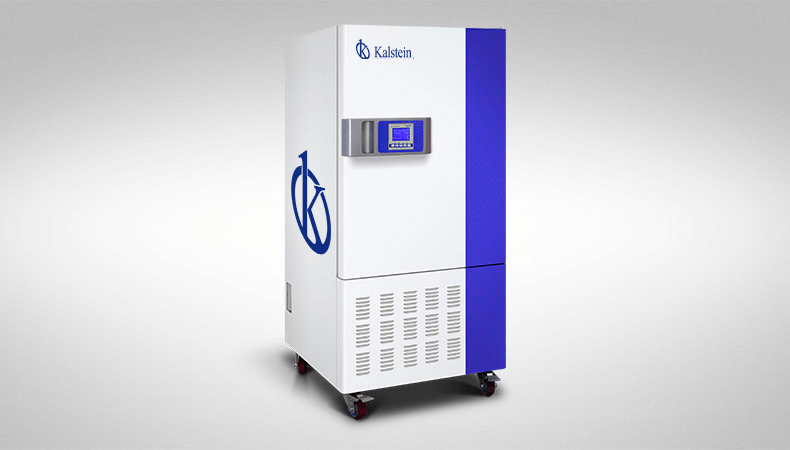
Drug Stability Test Chambers: A Practical Guide for 2026
What is it used for in 2026
Drug Stability Test Chambers are vital in ensuring the integrity, safety, and efficacy of pharmaceutical products. In 2026, these chambers are extensively used in the pharmaceutical, biotechnology, and food industries to simulate environmental conditions, which help in assessing the stability of drugs over time. The controlled environments generated in these chambers allow for rigorous testing under various temperature and humidity conditions, thereby ensuring that medicines and other products maintain their quality throughout their shelf life.
History and evolution of the technology
The concept of drug stability testing has evolved significantly over the decades. Initially, stability tests were conducted through rudimentary methods that lacked precision and control. With advancements in technology, modern Drug Stability Test Chambers now feature sophisticated microprocessor-based controllers that allow for accurate control of temperature and humidity. Innovations such as forced convection systems have enhanced the uniformity of the conditions within the chambers, leading to more reliable outcomes in stability testing.
How to use it step by step
Using a Drug Stability Test Chamber requires a systematic approach to ensure accurate results. Here are the steps to follow:
- Preparation: Ensure the chamber is clean and free from contaminants. Check calibration and functionality before use.
- Sample Placement: Arrange the drug samples inside the chamber following the manufacturer's guidelines, ensuring adequate spacing for air circulation.
- Setting Parameters: Program the desired temperature and humidity levels into the chamber’s control system. Factors such as target storage conditions and anticipated shelf life should be considered.
- Monitoring: Regularly check the chamber’s readings to confirm that the conditions remain stable. Utilize data logging features if available.
- Data Analysis: After the designated test period, retrieve the samples and conduct the necessary analyses to determine stability.
Best techniques and protocols
Implementing the best techniques for stability testing can enhance the reliability of results. Here are several recommended protocols:
- Utilize appropriate controls for both temperature and humidity.
- Conduct tests in triplicate to account for variability.
- Document all procedures rigorously to maintain compliance with regulatory standards.
- Ensure sample integrity by using airtight containers when possible.
Practical applications by laboratory type
Different laboratories utilize Drug Stability Test Chambers based on their specific needs:
- Pharmaceutical Laboratories: For testing the efficacy and safety of new formulations before market release.
- Biotechnology Firms: To analyze the stability of biologics and other sensitive products.
- Food Production: For stability tests on vitamins and other additives in food products.
Regulations, standards and certifications
In 2026, adherence to international regulations and standards is crucial for laboratories using Drug Stability Test Chambers. Compliance with guidelines set by the FDA, EMA, and ICH is essential. These regulations dictate the required testing conditions, documentation, and reporting standards necessary for maintaining product integrity.
Comparison with alternative technologies
While Drug Stability Test Chambers are widely used, laboratories may also consider other technologies such as:
- Refrigerated storage units: Suitable for short-term stability tests.
- Environmental chambers: Used for broader environmental testing beyond drug stability.
Comparison of available models
| Model | Best for | Key specs | Recommended use case |
|---|---|---|---|
| YR05350 | General drug stability testing | Temperature range: 0~60°C, Humidity: 50~90% HR | Ideal for routine stability testing in pharmaceuticals. |
| YR05351 | Advanced stability testing | Temperature range: 0~60°C, Humidity: 50~90% HR | Suitable for complex formulations needing precise conditions. |
| YR05352 | High precision stability testing | Temperature range: 0~60°C, Humidity: 50~90% HR | Best for detailed research and development projects. |
Common mistakes and how to avoid them
Several common pitfalls can occur when using Drug Stability Test Chambers. Here are a few to watch out for:
- Incorrect temperature settings: Always double-check settings before beginning a test.
- Neglecting calibration: Regular calibration is essential for reliable data.
- Improper sample handling: Use gloves and appropriate tools to prevent contamination.
Maintenance, calibration and good practices 2026
To ensure optimal performance, regular maintenance and calibration of Drug Stability Test Chambers are crucial:
- Conduct monthly maintenance checks to clean and validate the system.
- Schedule bi-annual calibrations by a certified technician.
- Maintain a logbook of all maintenance activities for compliance documentation.
Cost-benefit analysis 2026
Investing in Drug Stability Test Chambers can provide significant returns in terms of product reliability and compliance. While the initial investment can be substantial, the long-term benefits include:
- Reduced product recalls due to stability issues.
- Improved market trust and brand reputation.
- Enhanced research capabilities leading to innovative products.
Frequently asked questions
What are the key factors to consider when choosing a Drug Stability Test Chamber?
Consider the required temperature and humidity ranges, chamber size, control system accuracy, and maintenance needs when selecting a chamber.
How often should I perform maintenance on my Drug Stability Test Chamber?
It is advisable to perform monthly maintenance checks and bi-annual calibrations by a certified technician to ensure accurate results.
Can I use a Drug Stability Test Chamber for other types of products besides pharmaceuticals?
Yes, these chambers can also be used for food stability testing and various biotechnology applications, depending on the specific requirements.
What should I do if the temperature or humidity fluctuates during a test?
Immediately check the settings and calibration of the chamber, and document any fluctuations for compliance and analysis.
How long do stability tests typically take?
The duration of stability tests can vary based on the product and intended shelf life, ranging from weeks to several months.
What are the most common regulatory standards for stability testing?
Key regulations include those established by the FDA, EMA, and ICH, which provide guidelines for stability testing protocols and reporting.
How can I ensure the integrity of my samples during testing?
Use airtight containers, handle samples with care, and maintain consistent environmental conditions to ensure sample integrity.
If you are looking for a fusion of innovation and quality, you have come to the right place. At Kalstein, we offer you the luxury of exploring our exclusive catalog of laboratory equipment. We manufacture every device to the highest standards of excellence. Our intuitive and seamless online purchasing channels are designed for your convenience, securing the most competitive prices. Hesitate no longer — we bring science to life, it is time to become part of our community.