Digital Salinity Refractometers: Applications in Research, Biotechnology, and Academia 2026
What is it used for in 2026
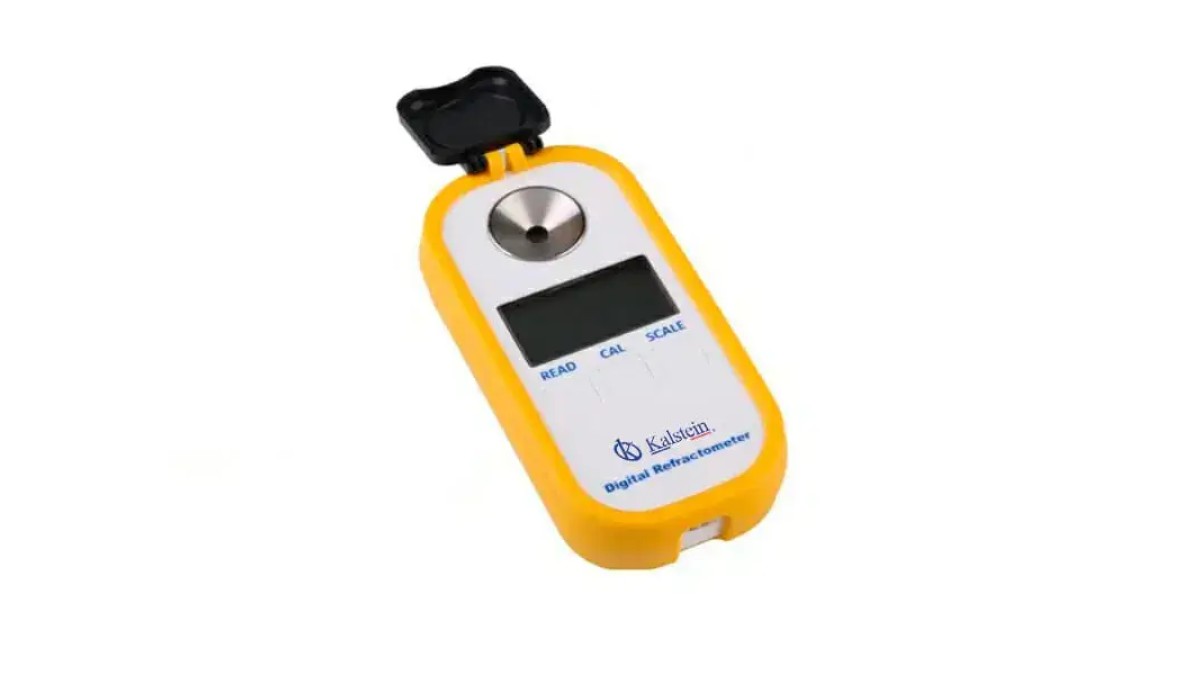
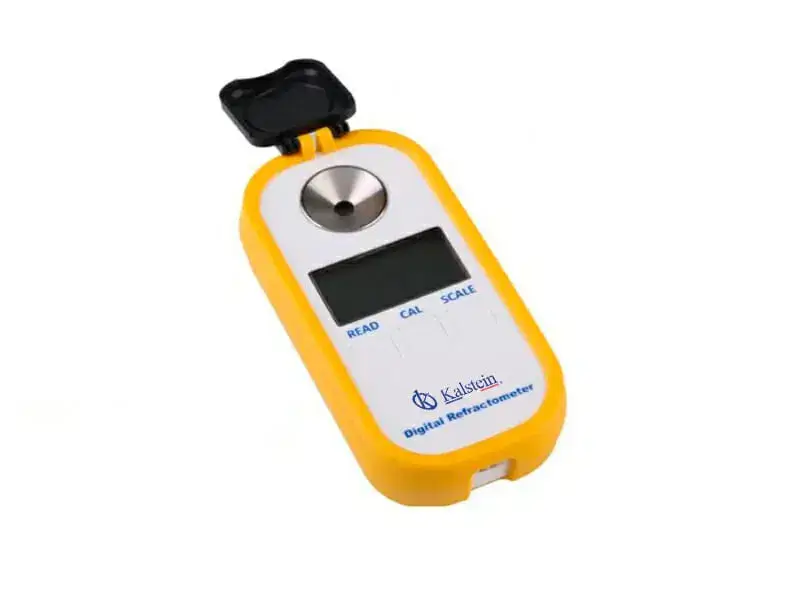
In 2026, Digital Salinity Refractometers serve critical roles in various laboratory environments, including research, biotechnology, and academic institutions. These devices primarily measure the salinity of solutions, enabling professionals to analyze concentrations of salts such as sodium chloride in seawater and other liquid samples. Salinity measurements are essential in studying aquatic ecosystems, agricultural practices, and food quality control.
Additionally, these refractometers help in determining the refractive index of solutions, which is crucial in fields like chemistry and biochemistry. Digital Salinity Refractometers are designed to provide accurate and reliable readings, minimizing human error and enhancing research outcomes.
History and evolution of the technology
The evolution of salinity measurement tools dates back centuries, with early methods relying on manual refractometers that required extensive training for accurate readings. Over time, advancements in electronic sensors and digital displays led to the development of Digital Salinity Refractometers.
The introduction of Automatic Temperature Compensation (ATC) technology further improved measurement accuracy by adjusting readings based on changing temperatures. This innovation has made these devices indispensable in modern laboratories, enabling real-time data collection and streamlined workflows.
How to use it step by step
Using a Digital Salinity Refractometer involves several straightforward steps:
- Preparation: Ensure that the refractometer is clean and calibrated according to the manufacturer's guidelines.
- Sample Collection: Collect a small sample of the solution you wish to measure. Only a drop or two is typically needed.
- Placement: Place the sample on the prism of the refractometer, ensuring it covers the entire surface.
- Measurement: Close the cover and allow the device to stabilize for a moment. Press the measurement button to get the reading displayed on the screen.
- Record Results: Document the salinity and refractive index values for analysis and future reference.
Best techniques and protocols
To achieve optimal results when using Digital Salinity Refractometers, follow these best techniques and protocols:
- Use distilled water to rinse the prism and avoid contamination.
- Always calibrate the device before each use, preferably with a standard solution.
- Ensure that the environment is stable, avoiding exposure to direct sunlight or drafts that may affect readings.
- Make sure to clean the prism thoroughly after each measurement to prevent residue buildup.
Practical applications by laboratory type
Digital Salinity Refractometers have diverse applications across various laboratory types:
- Research Laboratories: Used for studying marine biology and ecological impacts of salinity changes.
- Biotechnology Labs: Important for fermentation processes where precise salinity levels can influence microbial activity.
- Agricultural Testing Facilities: Utilized to evaluate soil salinity and its effects on crop yield.
- Food Quality Control: Helps ensure that products meet required salinity standards, especially in processed foods.
Regulations, standards and certifications
In 2026, laboratories must comply with various regulations and standards pertinent to the use of Digital Salinity Refractometers. These include:
- ISO/IEC 17025: Standards for testing and calibration laboratories.
- EPA guidelines for environmental testing, ensuring accuracy in salinity measurements.
- Food safety regulations set forth by organizations like the FDA and USDA in food processing laboratories.
Comparison with alternative technologies
While Digital Salinity Refractometers offer significant advantages, alternative technologies also exist, such as:
- Conductivity Meters: Measure salinity based on electrical conductivity but may not provide direct salinity readings.
- Hydrometers: Provide salinity measurements via buoyancy but require careful handling and calibration.
Digital Salinity Refractometers are preferred for their ease of use, rapid readings, and high accuracy.
Comparison of available models
| Model | Best for | Key specs | Recommended use case |
|---|---|---|---|
| YR05953 | Salinity Measurement | 0.0--28.0%, ±0.1%, ATC 0-40°C | Ideal for light salinity solutions. |
| YR05954 | High Salinity Solutions | 0--280‰, ±1‰, ATC 0-40°C | Best for seawater testing. |
| YR05955 | Density Measurement | 1.000-1.217, ±0.002, ATC 0-40°C | Useful for density evaluations of various solutions. |
| YR05956 | Refractive Index Measurement | 1.3330--1.3900nD, ±0.0003nD, ATC 0-40°C | For precision in refractive index measurements. |
| YR05957 | Salinity Measurement | 0—100‰, ±2‰, ATC 0-40°C | For high salt concentration samples. |
| YR05958 | Salinity Measurement | 0--57‰, ±2‰, ATC 0-40°C | Common in agricultural applications. |
| YR05959 | Density Measurement | 1.000-1.070, ±0.002, ATC 0-40°C | Useful in various laboratory evaluations. |
| YR05960 | Refractive Index Measurement | 1.3330--1.3530nD, ±0.0003nD, ATC 0-40°C | For specialized refractive index needs. |
Common mistakes and how to avoid them
When utilizing Digital Salinity Refractometers, several common mistakes can impact results:
- Not calibrating the device: Always calibrate with a standard solution before use.
- Ignoring temperature effects: Utilize ATC to account for temperature variations that can affect readings.
- Not cleaning the prism: Residues can lead to skewed results; always clean after measurements.
Maintenance, calibration and good practices 2026
Regular maintenance and calibration are essential for optimal functionality:
- Calibrate before every use using a standard solution.
- Rinse the prism with distilled water to avoid contamination.
- Store the device in a protective case to prevent damage.
Cost-benefit analysis 2026
Investing in Digital Salinity Refractometers offers significant advantages for laboratories:
- Accurate Measurements: Higher precision in salinity readings translates to better research outcomes.
- Time Efficiency: Fast readings enable streamlined workflows and increased productivity.
- Durability: Quality devices have a long lifespan, making them cost-effective in the long run.
Frequently asked questions
What should I consider when choosing a Digital Salinity Refractometer?
Consider factors such as measurement range, accuracy, ease of use, and whether the device includes Automatic Temperature Compensation (ATC) which can enhance accuracy in varying temperatures.
How often should I calibrate my refractometer?
Calibration should be performed before each use, especially if you're measuring different samples or if the device has not been used for an extended period.
Can I use a Digital Salinity Refractometer for other measurements?
Many models can measure both salinity and the refractive index of solutions, making them versatile tools in various laboratory applications.
What type of maintenance is required for these devices?
Regular cleaning of the prism, calibration, and proper storage are key maintenance practices to ensure accurate readings and prolong the device's lifespan.
How does temperature affect salinity readings?
Temperature changes can impact the density and refractive index of solutions. Devices with ATC automatically correct readings for temperature, providing more accurate results.
What are the common applications of Digital Salinity Refractometers?
These devices are primarily used in ecological research, agricultural testing, food processing, and any field requiring precise salinity measurements.
If you are looking for a fusion of innovation and quality, you have come to the right place. At Kalstein, we offer you the luxury of exploring our exclusive catalog of laboratory equipment. We manufacture every device to the highest standards of excellence. Our intuitive and seamless online purchasing channels are designed for your convenience, securing the most competitive prices. Hesitate no longer — we bring science to life, it is time to become part of our community.