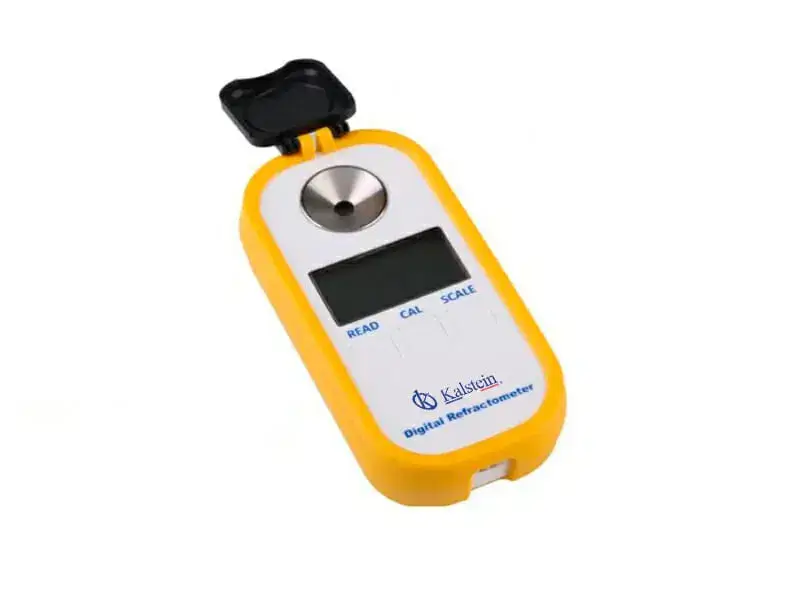
Digital BRIX+ Salinity Refractometers: Common Mistakes and How to Avoid Them in Daily Operations 2026
Digital BRIX+ Salinity Refractometers are vital tools in numerous laboratory settings, enabling professionals to measure the concentration of soluble solids and salinity in various solutions. This article delves into their applications, techniques for optimal use, and common mistakes encountered in daily operations. By understanding these aspects, laboratory professionals can enhance accuracy and efficiency in their workflows.
What is it used for in 2026
In 2026, Digital BRIX+ Salinity Refractometers are primarily used for measuring the concentration of soluble solids, such as sugars in fruit juices, syrups, and purees. Additionally, these devices are essential for assessing salinity levels in solutions, which can include sodium chloride concentrations and seawater analysis. Their role extends to various industries, including food and beverage, agriculture, and environmental science.
History and evolution of the technology
The technology behind refractometers has evolved significantly since its inception in the late 19th century. Initially, manual refractometers required physical labor to measure light refraction. With advancements in technology, digital refractometers like the Digital BRIX+ Salinity Refractometers emerged. These devices leverage electronic sensors and computational algorithms to provide more accurate, rapid, and user-friendly results, making them indispensable in modern laboratories.
How to use it step by step
Using a Digital BRIX+ Salinity Refractometer involves several straightforward steps:
- Preparation: Ensure the device is clean and calibrated according to the manufacturer's instructions.
- Sample Collection: Collect a representative sample of the solution to be measured.
- Loading the Sample: Place a small drop of the sample on the refractometer's prism surface.
- Measurement: Close the cover and wait for the device to stabilize. Read the measurement displayed on the screen.
- Cleaning: After use, clean the prism thoroughly to avoid cross-contamination of samples.
- Documentation: Record the measurements for analysis and quality control purposes.
Best techniques and protocols
To ensure accurate measurements, follow these best practices:
- Always calibrate the refractometer before measurements, especially after long periods of non-use.
- Maintain consistent temperature conditions as temperature affects refractive indices.
- Use distilled water or a standard solution for calibration to minimize measurement errors.
- Regularly clean the prism and ensure no residues affect the readings.
Practical applications by laboratory type
Digital BRIX+ Salinity Refractometers find applications across various types of laboratories:
- Food and Beverage Laboratories: Used for quality control in juices, syrups, and other sugar-containing products.
- Agricultural Laboratories: Assess salinity levels in soil and water to determine irrigation needs and monitor crop health.
- Environmental Laboratories: Analyze salinity levels in water bodies to monitor ecological health and compliance with environmental standards.
Regulations, standards and certifications
Laboratories using Digital BRIX+ Salinity Refractometers must adhere to various regulations and standards. These may include ISO standards for laboratory equipment, FDA regulations for food testing, and environmental protection laws for salinity measurement in water bodies. Certifications demonstrating compliance with these regulations ensure that measurements are reliable and accepted in scientific and regulatory communities.
Comparison with alternative technologies
While Digital BRIX+ Salinity Refractometers are highly effective, alternative technologies exist. These include:
- Hydrometers: Good for measuring specific gravity but less precise than refractometers for sugar concentration.
- Conductivity Meters: Used primarily for salinity measurements but do not provide direct sugar concentration readings.
- Optical Sensors: Emerging technologies may offer real-time monitoring but are not as widely used as refractometers.
Comparison of available models
| Model | Best for | Key specs | Recommended use case |
|---|---|---|---|
| YR05961 | Measuring BRIX | 0-50% Brix, ±0.2% accuracy | Fruit juice production and quality control |
| YR05962 | Measuring Salinity | 0-280‰ Salinity, ±0.2% accuracy | Monitoring salinity in aquaculture |
| YR05963 | Measuring Salinity | 0-280‰ Salinity, ±2‰ accuracy | General salinity analysis in various liquids |
| YR05964 | Measuring Density | 1.000-1.217 Density, ±0.002 accuracy | Density measurement in beverage formulations |
| YR05965 | Measuring Refractive Index | 1.3330-1.4200nD, ±0.0003nD accuracy | Research applications requiring high precision |
Common mistakes and how to avoid them
Several common mistakes can affect the performance of Digital BRIX+ Salinity Refractometers:
- Improper calibration: Always calibrate before use to ensure accuracy.
- Ignoring temperature effects: Measure samples at a consistent temperature to avoid refraction discrepancies.
- Neglecting cleaning protocols: Residues can lead to inaccurate readings, so clean the prism after each use.
- Not documenting results: Keep a detailed log of measurements for future reference and quality control.
- Using inappropriate samples: Ensure samples are suitable for the device's measurement capabilities.
Maintenance, calibration and good practices 2026
Regular maintenance and calibration are crucial for the longevity and accuracy of Digital BRIX+ Salinity Refractometers. Follow these practices:
- Calibrate with standard solutions at least weekly or before critical measurements.
- Inspect the device for physical damage regularly and report any issues immediately.
- Store the refractometer in a protective case to prevent damage when not in use.
- Follow cleaning procedures diligently, using recommended cleaning agents.
Cost-benefit analysis 2026
Investing in Digital BRIX+ Salinity Refractometers offers significant benefits such as increased accuracy, time savings, and improved workflow efficiency. Though the initial cost may seem high, the long-term savings from reduced errors and enhanced productivity justify the investment. Facilities will benefit from reliable measurements that comply with industry standards, ultimately resulting in better product quality and customer satisfaction.
Frequently asked questions
How often should I calibrate my Digital BRIX+ Salinity Refractometer?
Calibration should be performed at least weekly or each time before conducting critical measurements to ensure accuracy.
Can I use the refractometer for both BRIX and salinity measurements?
Yes, some models are designed to measure both BRIX and salinity, making them versatile tools in the laboratory.
What should I do if my readings seem inconsistent?
Check the calibration, ensure the device is clean, and verify that the sample temperature is consistent with the calibration conditions.
How do I clean the prism of the refractometer?
Use a soft cloth and a suitable cleaning solution to gently wipe the prism surface after each use to prevent contamination.
Are there specific samples I should avoid using with my refractometer?
Avoid using samples that contain particulates or that are too viscous, as these can interfere with accurate measurements.
What is the typical lifespan of a Digital BRIX+ Salinity Refractometer?
With proper maintenance, a Digital BRIX+ Salinity Refractometer can last several years, though the accuracy might diminish over time without regular calibration.
Where can I request a quote for purchasing one?
You can request a quote directly through our customer service channels for the best options tailored to your laboratory needs.
If you are looking for a fusion of innovation and quality, you have come to the right place. At Kalstein, we offer you the luxury of exploring our exclusive catalog of laboratory equipment. We manufacture every device to the highest standards of excellence. Our intuitive and seamless online purchasing channels are designed for your convenience, securing the most competitive prices. Hesitate no longer — we bring science to life, it is time to become part of our community.