Digital BRIX Refractometer: Practical Applications and Techniques 2026
What is it used for in 2026
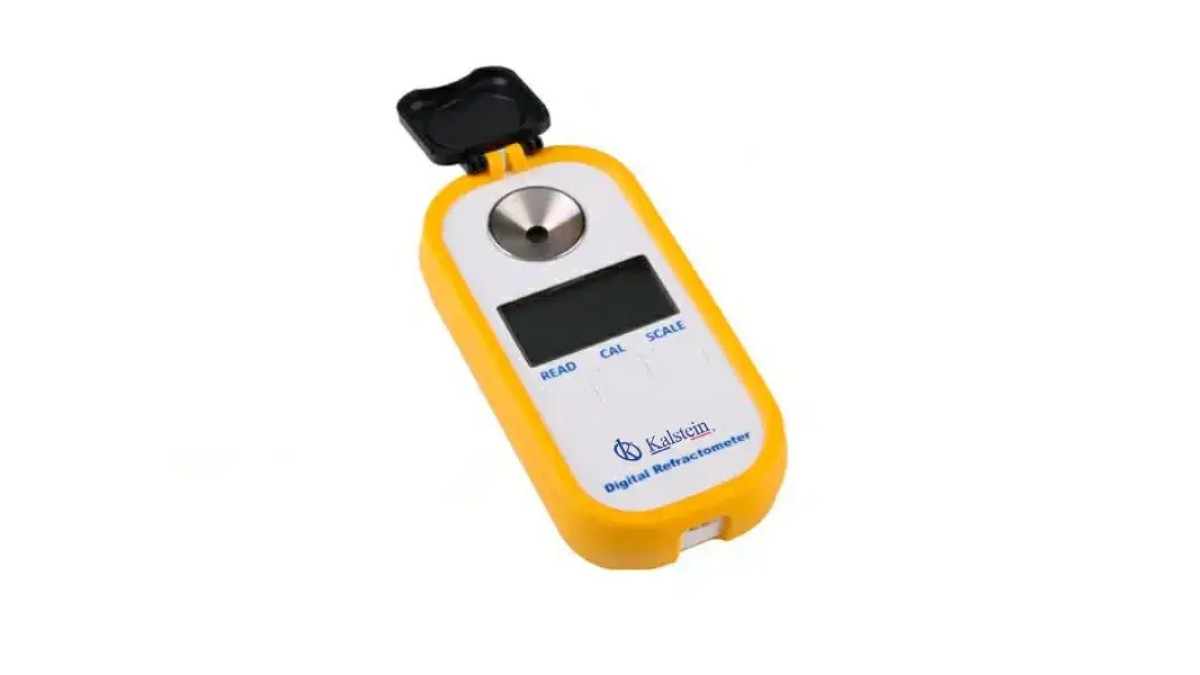
The Digital BRIX Refractometer is an essential instrument in laboratories, particularly those focused on food science, beverage production, and clinical analysis. In 2026, these devices are primarily used to measure the concentration of soluble solids, primarily sugars, in various aqueous solutions. This capability is crucial for industries such as fruit juice production, syrup manufacturing, and even beverage quality control. The precision offered by digital refractometers allows for accurate monitoring of sugar content, which can affect flavor, viscosity, and overall product quality.
History and evolution of the technology
The refractometer itself has a long history, dating back to the late 19th century when hand-held models were first developed. Over the decades, advancements in optical technology and digital electronics led to the creation of digital refractometers, significantly improving accuracy and ease of use. The Digital BRIX Refractometer evolved to incorporate features such as automatic temperature compensation (ATC), making it easier to obtain precise measurements in varying conditions. Today, these instruments are vital in ensuring product consistency and quality across multiple industries.
How to use it step by step
Using a Digital BRIX Refractometer involves several straightforward steps:
- Prepare the sample: Ensure that the liquid sample is clean and free of any particulates.
- Calibrate the device: Follow the manufacturer’s instructions to calibrate the refractometer before use, typically using distilled water.
- Place the sample: Drop a small amount of the sample onto the prism surface of the refractometer.
- Close the cover: Gently close the cover to avoid any air bubbles.
- Take the measurement: Read the provided result on the digital display, which shows the Brix value or refractive index.
- Clean the prism: After measurement, clean the prism with a soft cloth to maintain accuracy.
Best techniques and protocols
Best practices for using a Digital BRIX Refractometer include:
- Always calibrate before use to ensure accuracy.
- Use distilled water for calibration to avoid contamination.
- Ensure samples are at the recommended temperature (usually between 20-25°C) for accurate readings.
- Keep the prism clean to prevent residue buildup that can affect readings.
- Record readings immediately to track measurements over time.
Practical applications by laboratory type
Digital BRIX Refractometers have various applications across different lab types:
- Food and Beverage Labs: Used to monitor sugar levels in juices, syrups, and alcoholic beverages.
- Clinical Labs: Essential for assays that require sugar concentration, aiding in diabetes management.
- Research Labs: Employed in studies focusing on sugar compositions and their effects on different processes.
Regulations, standards and certifications
Refractometers used in food and clinical laboratories must comply with various standards and certifications such as ISO and FDA guidelines. These regulations ensure that the devices provide reliable and valid data, which is crucial for product safety and efficacy.
Comparison with alternative technologies
While Digital BRIX Refractometers are highly effective, alternatives such as hydrometers and near-infrared spectroscopy systems also exist. Hydrometers are more traditional and less expensive but can be less accurate. Near-infrared spectroscopy offers rapid analysis but involves a higher initial investment and is typically used in larger-scale operations.
Comparison of available models
| Model | Best for | Key specs | Recommended use case |
|---|---|---|---|
| YR05944 | Brix and Refractive Index | Brix: 0.0-50.0%, Refractive Index: 1.3330-1.4200nD | Testing juices and syrups |
| YR05945 | Brix Measurement | Brix: 0.0-90.0% | High-sugar beverages |
| YR05946 | Refractive Index | Refractive Index: 1.3330-1.5177nD | Research applications |
| YR05947 | Dextran Content | Dextran: 0.0-10.6% | Laboratory dextran studies |
| YR05948 | Fructose Measurement | Fructose: 0.0-68.9% | Sweetener analysis |
| YR05949 | Glucose Measurement | Glucose: 0.0-59.9% | Diabetes research |
Common mistakes and how to avoid them
Common mistakes when using Digital BRIX Refractometers include:
- Not calibrating before use, leading to inaccurate results.
- Using contaminated samples, which can skew data.
- Failing to maintain the device, which can result in damaged components.
- Ignoring temperature compensation, which is critical for accurate measurements.
Maintenance, calibration and good practices 2026
Regular maintenance includes:
- Cleaning the prism after each use.
- Performing calibration checks weekly, or before critical measurements.
- Storing the device in a protective case to prevent damage.
Cost-benefit analysis 2026
Investing in a Digital BRIX Refractometer provides significant benefits in terms of accurate measurements, efficiency in testing, and overall improvement in product quality control. The initial investment is often outweighed by the reduction in waste and the improvement in product consistency, making it a wise choice for any laboratory focused on quality.
Frequently asked questions
What is the best way to calibrate a Digital BRIX Refractometer?
The best way to calibrate is to use distilled water as a reference, ensuring the device is set to zero at 20-25°C before testing any samples.
How often should I clean my refractometer?
It is recommended to clean the prism after each use to prevent residue build-up that may affect future readings.
Can I use a Digital BRIX Refractometer for liquids other than beverages?
Yes, they can also be used for any sugar-containing solutions, including some laboratory assays.
What are the consequences of not calibrating my refractometer?
Failure to calibrate can lead to inaccurate measurements, affecting the reliability of your results.
Is temperature compensation necessary?
Yes, temperature compensation is crucial for obtaining accurate readings, as different temperatures can affect the refractive index.
What should I do if my measurements seem inconsistent?
If measurements are inconsistent, check calibration, ensure the prism is clean, and verify the temperature conditions are optimal.
How can I request a quote for Digital BRIX Refractometers?
You can easily request a quote through our online platform, where you can explore various models and options available.
If you are looking for a fusion of innovation and quality, you have come to the right place. At Kalstein, we offer you the luxury of exploring our exclusive catalog of laboratory equipment. We manufacture every device to the highest standards of excellence. Our intuitive and seamless online purchasing channels are designed for your convenience, securing the most competitive prices. Hesitate no longer — we bring science to life, it is time to become part of our community.