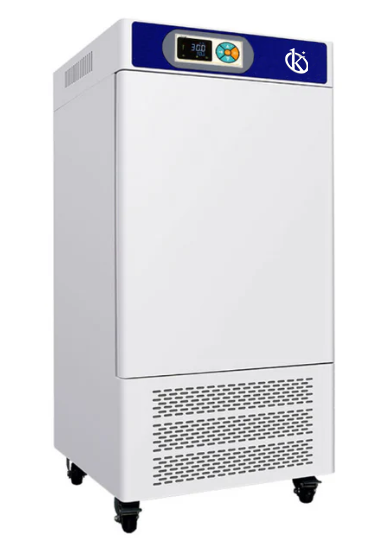
Constant Temperature and Humidity Incubators: Practical Applications and Techniques 2026
What is it used for in 2026
The constant temperature and humidity incubator is essential in various laboratory settings. In 2026, these devices are increasingly utilized for environmental control in biomedical research, drug testing, and agricultural studies. They provide a stable environment for cultures, samples, and experiments that require precise temperature and humidity conditions to yield reliable results.
History and evolution of the technology
The development of constant temperature and humidity incubators dates back to the early 20th century when laboratories recognized the need for controlled environments to support biological and chemical experiments. Initially, these incubators relied on simple heating elements and water baths. Over the years, technological advancements have introduced sophisticated control systems, insulated materials, and enhanced humidity management, making incubators more efficient and reliable.
How to use it step by step
Using a constant temperature and humidity incubator involves several key steps:
- Preparation: Ensure the incubator is clean and free of any contaminants. Check all components, including sensors and water reservoirs.
- Set Desired Parameters: Input the required temperature and humidity levels according to your experimental needs.
- Load Samples: Carefully place your samples or cultures inside the incubator, ensuring proper spacing for airflow.
- Monitor Conditions: Regularly check the displayed temperature and humidity to ensure they remain stable.
- Data Logging: If your incubator has data logging capabilities, record readings for future analysis.
- Shutdown Procedure: After use, remove samples and clean the interior of the incubator to prevent contamination.
Best techniques and protocols
To maximize the effectiveness of constant temperature and humidity incubators, consider the following techniques:
- Calibration: Regularly calibrate the incubator to ensure accuracy in temperature and humidity readings.
- Ventilation: Ensure that the incubator has adequate ventilation to prevent heat buildup and maintain consistent conditions.
- Data Monitoring: Utilize the built-in monitoring systems to track performance and make adjustments as necessary.
- Humidity Management: Regularly check and refill the water reservoir to maintain the desired humidity levels.
Practical applications by laboratory type
Different laboratories utilize constant temperature and humidity incubators for various applications:
- Biomedical Labs: Used for cell cultures, pathogen growth, and genetic studies.
- Pharmaceutical Labs: Essential for drug stability testing and formulation development.
- Agricultural Labs: Important for seed germination studies and plant tissue cultures.
Regulations, standards and certifications
Constant temperature and humidity incubators must adhere to various regulations and standards to ensure compliance and reliability, including:
- ISO 9001 for quality management systems
- FDA regulations for pharmaceutical applications
- Good Laboratory Practice (GLP) guidelines
Comparison with alternative technologies
When comparing constant temperature and humidity incubators with alternative technologies like simple incubators or environmental chambers, consider the following:
- Precision: Constant temperature and humidity incubators offer superior control over environmental conditions.
- Versatility: They can adapt to various experimental requirements, while simpler models may lack flexibility.
- Data Logging: Many constant incubators provide advanced monitoring features, unlike standard models.
Comparison of available models
| Model | Best for | Key specs | Recommended use case |
|---|---|---|---|
| YR02053 | Small sample studies | Temperature range: 0 ~ 60℃, Precision: ± 0.1℃, Power: 0.4kW | Ideal for basic biological research and educational laboratories. |
| YR02054 | Medium sample volumes | Temperature range: 0 ~ 60℃, Precision: ± 0.1℃, Power: 0.6kW | Suitable for pharmaceutical testing and agricultural experiments. |
| YR02055 | Large sample applications | Temperature range: 0 ~ 60℃, Precision: ± 0.1℃, Power: 0.8kW | Best for advanced research and extensive agricultural studies. |
Common mistakes and how to avoid them
Laboratories often encounter several common mistakes when using these incubators:
- Incorrect Settings: Always verify the temperature and humidity settings before starting.
- Poor Loading Practices: Avoid overloading the incubator, which can affect airflow and conditions.
- Neglecting Maintenance: Regularly clean and maintain the incubator to ensure optimal performance.
Maintenance, calibration and good practices 2026
Maintaining a constant temperature and humidity incubator involves:
- Regular Cleaning: Keep the interior clean to prevent contamination.
- Calibration: Schedule periodic calibration of sensors and controls for accuracy.
- Monitoring: Continuously monitor environmental conditions and document any fluctuations.
Cost-benefit analysis 2026
Investing in a constant temperature and humidity incubator offers several benefits:
- Enhanced Reliability: Consistent conditions lead to more reliable experimental results.
- Time Efficiency: Reduces the need for repeated experiments due to environmental inconsistencies.
- Broader Applications: Facilitates diverse research opportunities across various fields.
Frequently asked questions
What should I consider when choosing a constant temperature and humidity incubator?
Factors to consider include the size, temperature range, humidity control capabilities, and special features like data logging.
How often should I calibrate my incubator?
It is recommended to calibrate your incubator at least once every six months, or more frequently if precise conditions are critical for your experiments.
What are the best practices for maintaining temperature and humidity levels?
Regularly check sensor accuracy, ensure proper ventilation and avoid overcrowding to maintain stable conditions.
Can I use a constant temperature and humidity incubator for all types of biological samples?
Yes, these incubators are versatile and can be used for a wide range of biological samples, but always check specific requirements for sensitive samples.
What are the signs that my incubator needs maintenance?
Common signs include fluctuating temperature/humidity readings, unusual noises, or visible wear and tear on components.
Are constant temperature and humidity incubators energy-efficient?
Modern models are designed to be energy-efficient, but actual consumption may vary based on usage and settings.
How can I request a quote for a model?
You can easily request a quote through our online platform, where a team member will assist you with your needs.
If you are looking for a fusion of innovation and quality, you have come to the right place. At Kalstein, we offer you the luxury of exploring our exclusive catalog of laboratory equipment. We manufacture every device to the highest standards of excellence. Our intuitive and seamless online purchasing channels are designed for your convenience, securing the most competitive prices. Hesitate no longer — we bring science to life, it is time to become part of our community.