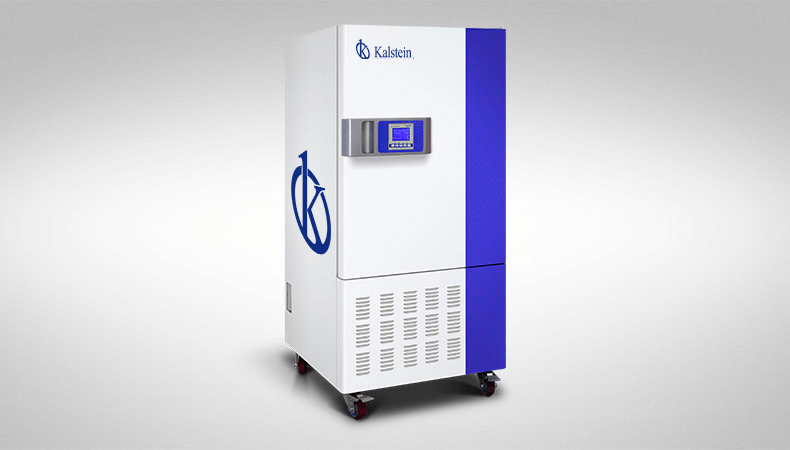
Comprehensive Drug Stability Test Chambers: Applications in Research, Biotechnology and Academia 2026
What is it used for in 2026
Comprehensive Drug Stability Test Chambers are essential in the pharmaceutical and biotechnology sectors. They provide controlled environments necessary for evaluating the stability of drugs under various conditions of temperature, humidity, and light exposure. In 2026, these chambers play a pivotal role in ensuring that medications maintain their efficacy over time, supporting both accelerated and long-term testing protocols.
History and evolution of the technology
The technology behind drug stability testing has evolved significantly over the decades. Initially, drug stability was assessed using rudimentary environmental controls. As regulations tightened and the demand for consistent pharmaceutical quality increased, advanced stability testing chambers were developed. Modern chambers, such as those in the comprehensive category, have integrated sophisticated controls for temperature, humidity, and light, enabling detailed studies and reliable results.
How to use it step by step
Utilizing a Comprehensive Drug Stability Test Chamber involves several systematic steps:
- Preparation of samples: Ensure that the drug formulations to be tested are prepared according to the specific guidelines provided by the pharmaceutical protocols.
- Setting up the chamber: Configure the chamber settings—temperature, humidity, and light conditions—based on the requirements of the planned experiment.
- Loading samples: Place the samples inside the chamber, ensuring they are adequately arranged to allow for air circulation and light exposure.
- Monitoring: Continuously monitor the chamber's conditions using the built-in control systems, adjusting as necessary.
- Data collection: At predetermined intervals, retrieve samples for analysis. Document all findings meticulously.
- Analysis: Analyze the samples using appropriate methodologies to evaluate stability.
Best techniques and protocols
Some best practices for using Comprehensive Drug Stability Test Chambers include:
- Regular calibration of the chamber to ensure accurate readings.
- Following standardized protocols such as ICH guidelines for stability testing.
- Implementing robust data logging to track environmental conditions over time.
- Ensuring samples are representative of the entire batch to avoid skewed results.
Practical applications by laboratory type
Different laboratories utilize Comprehensive Drug Stability Test Chambers in various unique ways:
- Pharmaceutical Laboratories: For stability testing of new drug formulations.
- Research Institutions: To investigate the effects of environmental factors on drug degradation.
- Quality Control Labs: For routine stability testing of manufactured products.
Regulations, standards and certifications
Adherence to rigorous regulatory standards such as FDA, EMA, and ICH guidelines is crucial. Comprehensive Drug Stability Test Chambers must comply with specifications related to environmental controls, data integrity, and documentation practices to ensure the accuracy of results.
Comparison with alternative technologies
While alternative methods for drug stability testing exist, such as accelerated aging tests and traditional incubators, Comprehensive Drug Stability Test Chambers provide enhanced precision and control over multiple environmental factors, offering more reliable results.
Comparison of available models
| Model | Best for | Key specs | Recommended use case |
|---|---|---|---|
| YR05354 | Long-term stability testing | Temperature: 10~65℃ (with light); 0~60℃ (without light); Humidity: 50~90% HR | Pharmaceuticals requiring rigorous long-term stability assessments. |
| YR05355 | Accelerated stability testing | Temperature: 10~65℃ (with light); 0~60℃ (without light); Humidity: 50~90% HR | Ideal for new drug development phases needing rapid results. |
| YR05356 | High-humidity testing | Temperature: 10~65℃ (with light); 0~60℃ (without light); Humidity: 50~90% HR | Formulations sensitive to humidity changes. |
Common mistakes and how to avoid them
Common mistakes include:
- Improper calibration of the chamber, leading to inaccurate results.
- Neglecting to monitor environmental conditions regularly.
- Using non-representative samples for testing.
To avoid these pitfalls, maintain a strict calibration schedule, implement routine monitoring, and ensure sample selection is consistent with testing criteria.
Maintenance, calibration and good practices 2026
Regular maintenance of Comprehensive Drug Stability Test Chambers is vital for optimal functionality. This includes:
- Routine cleaning of the interior and exterior surfaces.
- Calibration checks at least bi-annually to ensure accuracy.
- Keeping an up-to-date log of all maintenance activities for compliance audits.
Cost-benefit analysis 2026
The investment in a Comprehensive Drug Stability Test Chamber can be justified through long-term benefits. High precision and reliability in testing lead to better quality control and reduced product recalls, which ultimately save costs. Considering the potential losses due to ineffective products, the upfront expense can lead to substantial savings.
Frequently asked questions
What should I consider when choosing a drug stability test chamber?
When selecting a drug stability test chamber, consider factors such as temperature and humidity range, ease of use, data logging capabilities, and compliance with industry standards.
How often should I calibrate my stability test chamber?
It's recommended to calibrate your stability test chamber at least bi-annually or more frequently based on the intensity of use and regulatory requirements.
Can I use the chamber for other types of stability testing?
Yes, while primarily designed for drug stability testing, these chambers can also be used for testing the stability of other pharmaceutical formulations as long as the conditions are appropriately set.
What are the common environmental conditions to test for?
Common conditions include various ranges of temperature (from low to high), humidity levels (typically between 50% to 90%), and varying light exposure to simulate different storage conditions.
How can I ensure accurate results in stability testing?
To ensure accurate results, maintain strict adherence to calibration schedules, use representative samples, and implement detailed data logging and monitoring procedures.
Are there specific regulations I must follow for stability testing?
Yes, it’s critical to follow regulations set by authorities such as the FDA and EMA, including ICH guidelines specifically for stability testing of pharmaceuticals.
Where can I find more information or request a quote?
For further information or to request a quote, please reach out to our dedicated team.
If you are looking for a fusion of innovation and quality, you have come to the right place. At Kalstein, we offer you the luxury of exploring our exclusive catalog of laboratory equipment. We manufacture every device to the highest standards of excellence. Our intuitive and seamless online purchasing channels are designed for your convenience, securing the most competitive prices. Hesitate no longer — we bring science to life, it is time to become part of our community.