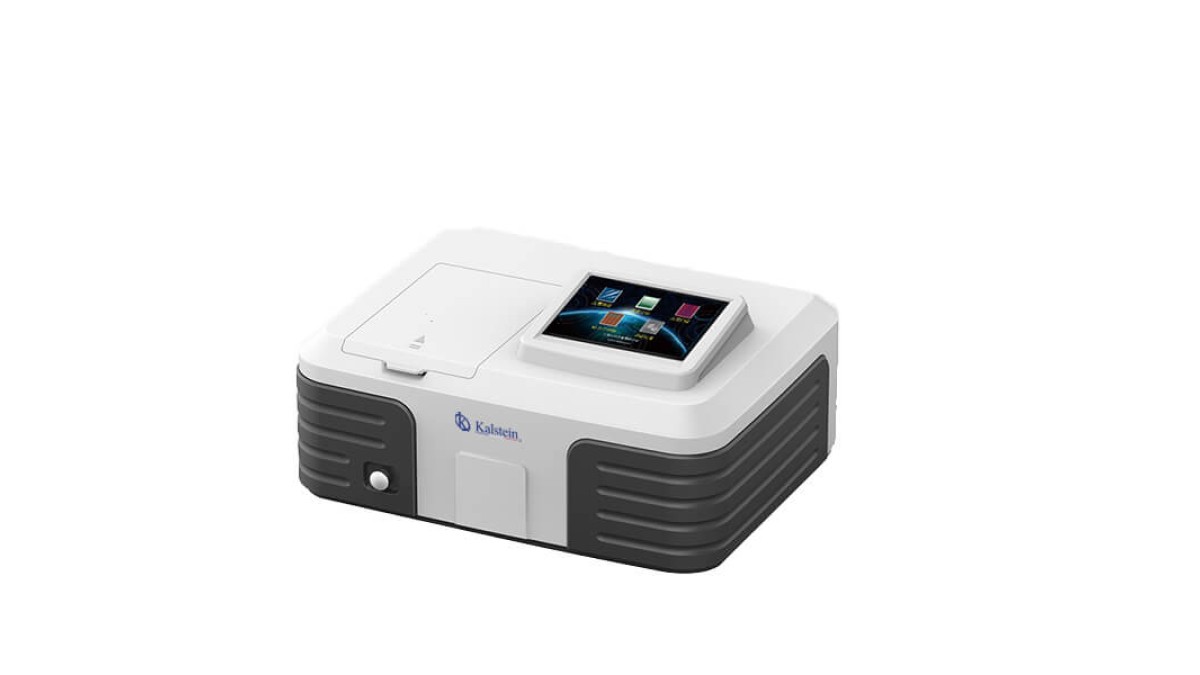
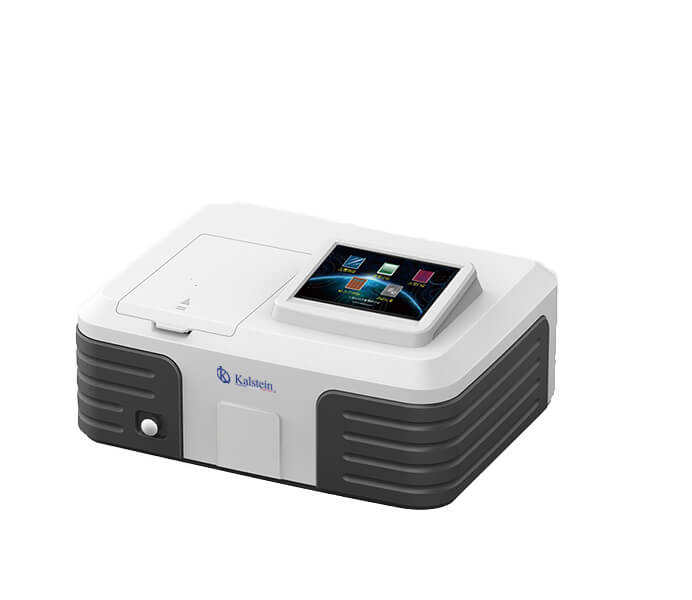
Common Mistakes and How to Avoid Them in Daily Operation of Double Beam Spectrophotometers 2026
Double beam spectrophotometers are vital instruments in modern laboratories, widely utilized for their precision and reliability in various applications. However, even seasoned professionals can encounter pitfalls in their usage. Understanding these common mistakes and implementing strategies to avoid them can significantly enhance operational efficiency and data accuracy.
What is it used for in 2026
In 2026, double beam spectrophotometers play a crucial role in quantifying the absorption of light by samples, which is essential for determining concentrations of substances. These instruments are extensively used in chemical analysis, pharmaceuticals, environmental monitoring, and biochemistry. Their ability to provide precise measurements across a broad spectrum (typically from 190 to 1100 nm) makes them ideal for tasks ranging from routine quality control to complex research applications.
History and evolution of the technology
The development of spectrophotometry dates back to the early 20th century, with advancements in optical technology leading to the creation of double beam systems. Unlike single beam spectrophotometers, which measure light intensity before and after a sample sequentially, double beam instruments simultaneously compare the light passing through the sample and a reference beam. This innovation significantly improved measurement accuracy by canceling out fluctuations in light source intensity and other environmental factors. Over the decades, enhancements in components such as detectors and optical paths have further refined the performance of double beam spectrophotometers, making them indispensable in laboratory settings.
How to use it step by step
Using a double beam spectrophotometer involves several key steps. Here’s a straightforward guide:
- Preparation: Ensure the instrument is calibrated and properly maintained. Check the lamp and replace it if necessary.
- Sample Preparation: Prepare your sample solutions and reference standards according to the method you will use.
- Setting Parameters: Set the desired wavelength for the measurement and ensure the path length is appropriate.
- Baseline Correction: Run a baseline measurement with the blank solution to set the reference point.
- Measurement: Place the sample in the holder and take the measurement. Record the results accurately.
- Data Analysis: Analyze the results, often using software provided with the instrument.
- Cleanup: Clean the cuvettes and return the spectrophotometer to its standby mode or turn it off if not in use.
Best techniques and protocols
Employing best practices in operating double beam spectrophotometers ensures the integrity of the data collected. Here are some effective techniques and protocols:
- Consistent Sample Handling: Always use clean cuvettes and handle samples with care to avoid contamination.
- Temperature Control: Monitor and maintain the temperature of the samples, as temperature fluctuations can affect absorption readings.
- Regular Calibration: Perform routine calibrations to ensure the device is functioning correctly and providing accurate results.
- Documentation: Keep detailed logs of measurements, calibration dates, and any issues encountered during operation.
- Utilizing Software: Use the data analysis software to streamline calculations and reduce human errors.
Practical applications by laboratory type
Double beam spectrophotometers find applications across various laboratory settings:
- Chemical Laboratories: Used for quantifying reactants and products in various reactions.
- Pharmaceutical Laboratories: Employed for drug formulation and quality control testing of pharmaceuticals.
- Environmental Laboratories: Utilized in analyzing pollutants and determining the concentration of harmful substances in water and air.
- Biochemistry Laboratories: Applied in protein and nucleic acid quantification, enzymatic assay analysis, and more.
Regulations, standards and certifications
Laboratories using double beam spectrophotometers must adhere to various regulations and standards to ensure compliance and quality assurance. These include:
- ISO/IEC 17025: Standard for testing and calibration laboratories.
- Good Laboratory Practice (GLP): Guidelines that promote the quality and integrity of laboratory testing.
- Good Manufacturing Practice (GMP): Regulations that ensure pharmaceutical products are produced consistently and controlled.
Comparison with alternative technologies
While double beam spectrophotometers are widely used, there are alternative technologies available, including:
- Single Beam Spectrophotometers: Simpler and less expensive, but can be less accurate due to fluctuations in light source intensity.
- Fluorometers: Measure light emitted from a sample rather than transmitted light, suitable for specific applications like fluorescence assays.
- Mass Spectrometry: Provides detailed molecular information but is more complex and expensive compared to spectrophotometry.
Comparison of available models
| Model | Best for | Key specs | Recommended use case |
|---|---|---|---|
| YR01858 | Comprehensive data analysis | 320-1100 nm, ± 0.5 nm accuracy | General laboratory workflows and research |
| YR01862 | High stability and reliability | 190-1100 nm, ± 0.1 nm accuracy | Advanced analysis requiring precise measurements |
| YR01862-1 | Full wavelength scanning | 190-1100 nm, 1.0 nm bandwidth | Research applications in biochemistry |
| YR01862-2 | Full wavelength scanning | 190-1100 nm, 1.0 nm bandwidth | Broad research applications |
| YR01864 | Stability and low noise | 190-1100 nm, 1.0 nm bandwidth | General laboratory use with focus on stability |
| YR01865 | Extended functionality | 190-1100 nm, 1.0 nm bandwidth | Advanced research requiring multiple testing modes |
Common mistakes and how to avoid them
Despite their advanced technology, common mistakes can occur in the operation of double beam spectrophotometers. Here are several issues to be aware of and how to avoid them:
- Neglecting Calibration: Always calibrate before use to ensure accuracy.
- Inconsistent Sample Preparation: Prepare samples uniformly to avoid variations in results.
- Ignoring Maintenance: Regularly service the instrument to keep it in optimal condition.
- Improper Handling of Cuvettes: Always use cuvettes that are clean and appropriately matched for the light path.
- Overlooking Software Updates: Keep software up to date to access the latest features and improvements.
Maintenance, calibration and good practices 2026
Effective maintenance and calibration are crucial for ensuring the reliability of double beam spectrophotometers. Here are some best practices:
- Routine Calibration: Perform calibration at regular intervals as per the manufacturer’s recommendations.
- Cleaning Procedures: Implement a cleaning protocol for optics and sample holders to prevent contamination.
- Regular Checks: Regularly check lamp intensity and replace bulbs as needed to maintain measurement consistency.
- Documentation of Maintenance: Keep records of all maintenance and calibration activities for reference and compliance purposes.
Cost-benefit analysis 2026
Investing in a double beam spectrophotometer involves evaluating both initial costs and long-term benefits. While prices can range from around $2500 to $3550 based on model specifications, the return on investment is significant:
- High Accuracy: Provides reliable data necessary for critical applications, preventing costly errors in analysis.
- Enhanced Productivity: Streamlines workflows, allowing for more samples to be analyzed in less time.
- Durability: Quality instruments typically have a long lifespan, reducing the need for frequent replacements.
Frequently asked questions
What should I consider when choosing a double beam spectrophotometer?
Consider the wavelength range, accuracy, and the specific applications you intend to perform. It's also essential to look for user-friendly features and compatibility with data analysis software.
How often should I calibrate my spectrophotometer?
Calibration frequency can depend on usage, but it is recommended to calibrate before each use, especially if you are working with critical measurements.
Can I use cuvettes from different manufacturers?
It is advisable to use cuvettes from the same manufacturer to ensure compatibility and consistent results, especially regarding path length and optical quality.
What is the best way to clean optical components?
Use ethanol or a suitable cleaning solution with a lint-free cloth to gently clean optical components. Avoid abrasive materials that can scratch the surface.
What are common issues that can affect measurements?
Common issues include lamp instability, impurities in samples, and improper calibration. Regular maintenance and careful sample preparation can help mitigate these problems.
Is software necessary for using a double beam spectrophotometer?
While it is not mandatory, using software can greatly enhance data analysis, allowing for more sophisticated evaluations and reporting.
How do I know when to replace the lamp?
Monitor the lamp intensity and performance; if measurements become inconsistent or the intensity drops significantly, it may be time to replace the lamp.
If you are looking for a fusion of innovation and quality, you have come to the right place. At Kalstein, we offer you the luxury of exploring our exclusive catalog of laboratory equipment. We manufacture every device to the highest standards of excellence. Our intuitive and seamless online purchasing channels are designed for your convenience, securing the most competitive prices. Hesitate no longer — we bring science to life, it is time to become part of our community.