Common Mistakes and How to Avoid Them in Daily Operation of Artificial Climate Chambers 2026
What is it used for in 2026
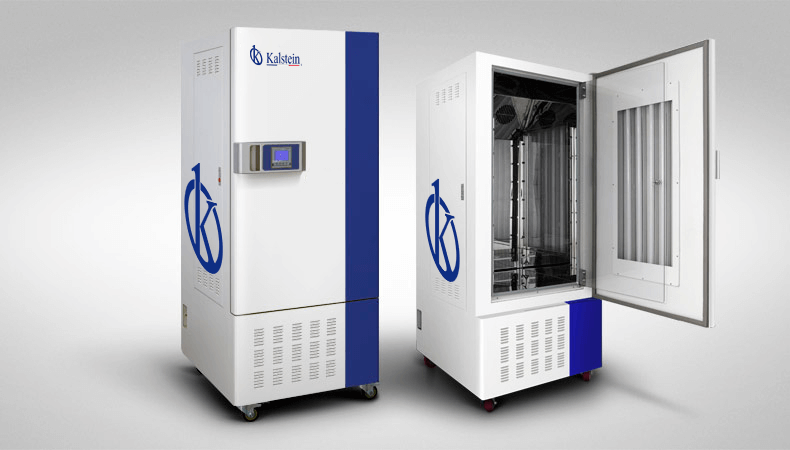
Artificial climate chambers are essential tools in various laboratory settings, allowing for the simulation of environmental conditions to study various biological and chemical processes. In 2026, these chambers are utilized for applications such as plant growth studies, cellular cultivation, and biological tissue experiments. They provide controlled environments that mimic natural conditions, enabling researchers to investigate the effects of temperature, humidity, and light on different organisms.
History and evolution of the technology
The concept of climate chambers dates back several decades, with early models focusing primarily on temperature regulation. Over the years, advancements in technology have led to the incorporation of precise humidity control, enhanced lighting systems, and sophisticated automation. Modern artificial climate chambers now leverage microprocessor-based controllers, allowing for more complex experimental setups and improved reliability compared to earlier models.
How to use it step by step
Using an artificial climate chamber involves several steps:
1. **Preparation:** Ensure the chamber is clean and calibrated. Review the experimental protocol.
2. **Setting up the parameters:** Input desired temperature, humidity, and light intensity into the control system.
3. **Experiment setup:** Place samples inside the chamber, ensuring they are organized and spaced adequately for air circulation.
4. **Monitoring:** Regularly check the chamber's conditions through the control panel or monitoring software.
5. **Data collection:** Record observations and measurements as specified in the experimental design.
6. **Post-experiment review:** Analyze the data and clean the chamber after use to maintain optimal conditions for future experiments.
Best techniques and protocols
To achieve the best results when using artificial climate chambers, consider the following techniques:
- **Benchmarking:** Regularly compare your results against established protocols to ensure consistency.
- **Calibration:** Ensure regular calibration of temperature and humidity sensors to maintain accuracy.
- **Replicates:** Use multiple replicates to validate your findings.
- **Documentation:** Keep detailed records of conditions and results for reproducibility.
- **Training:** Ensure all personnel operating the chambers are adequately trained in their use and maintenance.
Practical applications by laboratory type
Different laboratories utilize artificial climate chambers for various purposes:
- **Agricultural Research:** Used for studying plant growth under controlled conditions, simulating seasonal climate changes.
- **Pharmaceutical Labs:** Employed in drug development to test the stability of medications under different environmental conditions.
- **Biotechnology:** Useful for cell culture experiments, where specific humidity and temperature levels are critical for cell survival.
- **Ecology:** Assists in studying the effects of climate change on different species by simulating future environmental scenarios.
Regulations, standards and certifications
Laboratories utilizing artificial climate chambers must adhere to several regulations and standards, including:
- **ISO 17025:** General requirements for the competence of testing and calibration laboratories.
- **GLP (Good Laboratory Practice):** Guidelines that promote the quality and integrity of non-clinical laboratory studies.
- **EPA regulations:** Applicable for chambers used in environmental testing, ensuring compliance with safety and environmental standards.
Comparison with alternative technologies
Compared to other technologies such as growth cabinets and incubators, artificial climate chambers offer more versatility. They not only control temperature but also allow precise manipulation of humidity and light. This multifaceted control makes them ideal for experiments requiring specific environmental conditions that simpler technologies cannot provide.
Comparison of available models
| Model | Best for | Key specs | Recommended use case |
|---|---|---|---|
| YR05347 | Biological tissue and plant cultivation | Temperature Range: 10~65 °C, Humidity Range: 50~90% HR | Long-term cultural experiments |
| YR05348 | Cell culture and small animal feeding | Temperature Accuracy: ±0.1 °C, Humidity Fluctuation: ±3% HR | Controlled biological studies |
| YR05349 | Insect breeding and growth studies | Lighting Range: 0~15000, Five adjustable stages | Research on environmental effects on growth |
Common mistakes and how to avoid them
Some common mistakes when operating artificial climate chambers include:
- **Incorrect parameter setting:** Always double-check temperature and humidity settings before starting an experiment.
- **Overcrowding:** Ensure samples are adequately spaced to allow for proper air circulation.
- **Neglecting maintenance:** Regular maintenance is crucial for optimal performance. Schedule routine checks on all systems.
- **Failing to document changes:** Keep detailed records of any deviations in conditions to understand their impact on experimental outcomes.
Maintenance, calibration and good practices 2026
For effective operation of artificial climate chambers in 2026:
- **Regular calibration:** Perform calibration of sensors and controls at least quarterly.
- **Scheduled maintenance:** Implement a routine maintenance schedule to ensure all mechanical and electronic parts are functioning correctly.
- **Training staff:** Regularly train all laboratory personnel on updated procedures and best practices in handling climate chambers.
Cost-benefit analysis 2026
The investment in artificial climate chambers should be weighed against the benefits they offer:
- **Initial cost vs. long-term savings:** While upfront costs can be substantial, the ability to conduct experiments with precise conditions can lead to significant savings in time and resources.
- **Revenue from successful experiments:** Successful research outcomes can lead to funding opportunities and commercial applications.
- **Enhanced reputation:** Operating high-quality research can elevate a laboratory’s standing in the scientific community, attracting more partnerships and funding.
Frequently asked questions
What are the key factors to consider when choosing an artificial climate chamber?
When selecting an artificial climate chamber, consider factors such as temperature and humidity range, control mechanisms, energy efficiency, and the specific applications needed in your laboratory. It's also essential to assess the chamber's size and capacity depending on your research requirements.
How do I ensure accurate temperature and humidity settings?
To ensure accuracy, it is vital to regularly calibrate the sensors and controls of the climate chamber. Additionally, using high-quality equipment and following standard operating procedures can help maintain precision in experimental conditions.
Can I use an artificial climate chamber for long-term experiments?
Yes, artificial climate chambers are designed for long-term experiments, providing consistent and controlled environmental conditions. However, it is essential to monitor the settings regularly and conduct routine maintenance to ensure optimal performance throughout the experiment.
What are the maintenance requirements for an artificial climate chamber?
Maintenance includes regular cleaning, calibration of sensors, checking for any mechanical issues, and ensuring that the cooling and heating elements are functioning correctly. A scheduled maintenance plan is recommended for optimal operation.
How do I document changes in experimental conditions?
Keep a detailed log of all parameters set in the climate chamber, including any deviations from standard conditions. Utilize software solutions that can track and record environmental data automatically for better accuracy and reliability.
What are common experiments that benefit from using an artificial climate chamber?
Common experiments include plant growth studies, cellular response testing, microbiological studies, and drug stability testing. These experiments benefit from the controlled environmental conditions that climate chambers provide.
If you are looking for a fusion of innovation and quality, you have come to the right place. At Kalstein, we offer you the luxury of exploring our exclusive catalog of laboratory equipment. We manufacture every device to the highest standards of excellence. Our intuitive and seamless online purchasing channels are designed for your convenience, securing the most competitive prices. Hesitate no longer — we bring science to life, it is time to become part of our community.