Combined Freezers: Practical Applications and Techniques 2026
What is it used for in 2026
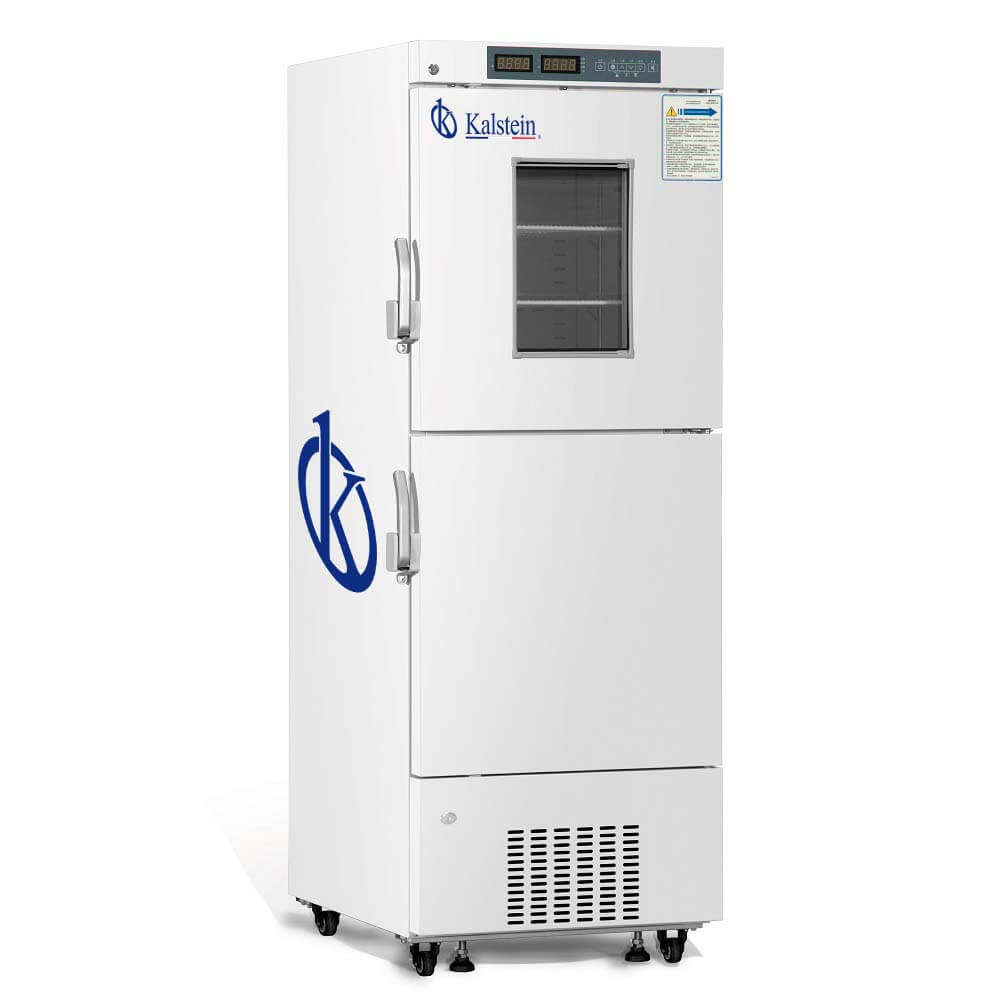
In 2026, combined freezers are essential tools in clinical laboratories and hospitals. They serve multiple purposes, including the storage of biological materials such as vaccines, plasma, and medical samples. These units are designed to provide dual temperature zones, allowing users to maintain optimal conditions for different types of materials simultaneously. The implementation of advanced cooling technology ensures that the integrity of sensitive biological samples is preserved. Combined freezers are widely used in research institutions, blood banks, and clinical settings, showcasing their versatility and reliability.
History and evolution of the technology
The technology behind combined freezers has evolved significantly over the years. Initially, refrigeration technology was limited to simple cooling units that could only serve one purpose. However, advancements in thermodynamics and materials science led to the development of combined freezers, which feature dual cooling systems. These systems allow for independent temperature control, enabling laboratories to store various materials under optimal conditions. As the demand for accurate temperature regulation increased, manufacturers began incorporating digital displays, microprocessor controls, and eco-friendly refrigerants, enhancing the efficiency and sustainability of these units.
How to use it step by step
Using combined freezers effectively involves several key steps:
- Installation: Ensure the unit is placed in a well-ventilated area away from direct sunlight and heat sources.
- Power Supply: Connect the freezer to a suitable power source, complying with the specified voltage and frequency.
- Temperature Setting: Use the digital display to set the desired temperature for both compartments, ensuring they align with the requirements of the materials being stored.
- Loading Samples: Organize and load samples carefully, allowing space for air circulation and avoiding overloading.
- Monitoring: Regularly check the temperature and performance of the unit, making adjustments as necessary.
- Maintenance: Follow recommended maintenance procedures, including regular defrosting and cleaning, to ensure optimal performance.
Best techniques and protocols
To maximize the performance of combined freezers, laboratory professionals should adhere to best practices and protocols:
- Establish a routine monitoring schedule for temperature and alarm systems to ensure they function correctly.
- Label samples clearly with the date of storage and contents to prevent confusion.
- Implement a backup power solution to protect against potential outages.
- Train staff on proper loading techniques to prevent thermal shock to samples.
- Regularly review and update storage protocols to align with evolving research and regulatory requirements.
Practical applications by laboratory type
Combined freezers find application across various laboratory types:
- Clinical Laboratories: Used for storing diagnostic specimens, biological reagents, and samples for testing.
- Blood Banks: Essential for preserving blood products, plasma, and platelets at required temperatures.
- Pharmaceutical Companies: Employed for the storage of sensitive drugs, vaccines, and research materials.
- Research Institutions: Utilized in experiments requiring controlled sample conditions, including biological and chemical substances.
Regulations, standards and certifications
Laboratories utilizing combined freezers must comply with several regulations and standards:
- ISO 9001: Quality management systems for ensuring product consistency.
- FDA regulations for the storage of medical and biological materials.
- Local and international standards pertinent to laboratory safety and equipment performance.
Comparison with alternative technologies
Compared to traditional freezers, combined freezers offer several advantages:
- Versatility: Dual temperature zones allow for storing different materials simultaneously.
- Energy Efficiency: Advanced cooling systems consume less energy and provide consistent temperature control.
- Space Saving: Combined units require less space than multiple standalone freezers.
Comparison of available models
| Model | Best for | Key specs | Recommended use case |
|---|---|---|---|
| YR05320 | Pharmaceutical storage | 368L capacity, R600a and R290 refrigerants | Storing plasma and vaccines in pharmacies |
| YR05321 | Laboratory sample preservation | Independent cooling systems, -10°C to -25°C | Storing blood samples and reagents |
| YR05321-1 | Clinical and research use | 2 chambers, adjustable temperature, R290 refrigerant | Used in hospitals for blood products and testing samples |
Common mistakes and how to avoid them
Several common mistakes can undermine the effectiveness of combined freezers:
- Overloading: Avoid overcrowding compartments, which can impede airflow and lead to temperature fluctuations.
- Neglecting Maintenance: Regular maintenance is critical; neglecting this can cause operational issues.
- Ignoring Alarm Systems: Always respond promptly to alarm notifications to prevent damage to stored materials.
Maintenance, calibration and good practices 2026
To maintain optimal function, combined freezers should be regularly calibrated and maintained:
- Perform routine temperature checks and calibrate systems as needed.
- Clean the interior and exterior of the unit regularly to prevent contamination.
- Schedule professional servicing annually to address any potential issues.
Cost-benefit analysis 2026
When evaluating the cost-effectiveness of combined freezers, consider the following:
- Initial investment costs versus long-term savings on energy consumption.
- Increased efficiency and reduced risk of sample loss, which can lead to cost savings in the long run.
- Potential for enhanced research outcomes due to reliable storage conditions.
Frequently asked questions
What should I consider when choosing a combined freezer?
When selecting a combined freezer, consider factors such as capacity, temperature range, energy efficiency, and specific storage requirements of the materials you intend to keep. Evaluate the available models and their features to find the best fit for your laboratory needs.
How can I ensure consistent temperature in my combined freezer?
To maintain consistent temperature, avoid overloading the freezer, ensure proper air circulation, and regularly check the temperature settings. Implement alarms to alert you of any fluctuations and conduct periodic maintenance as needed.
What are the main advantages of using a combined freezer over a standard freezer?
Combined freezers offer dual temperature zones, allowing for the simultaneous storage of different materials. They are designed for energy efficiency and enhanced performance, making them ideal for laboratories that require precise temperature control.
How often should I perform maintenance on my combined freezer?
It is recommended to perform routine maintenance checks monthly, including cleaning and temperature calibration. Schedule professional services annually to ensure the unit operates efficiently and effectively.
Can I use a combined freezer for long-term storage of biological samples?
Yes, combined freezers are ideal for long-term storage of biological samples, as they provide controlled environments that preserve sample integrity. Ensure that the temperature settings are appropriate for the specific samples being stored.
What is the expected lifespan of a combined freezer?
The lifespan of a combined freezer can vary based on usage and maintenance, but on average, they can last anywhere from 10 to 20 years with proper care and regular maintenance.
If you are looking for a fusion of innovation and quality, you have come to the right place. At Kalstein, we offer you the luxury of exploring our exclusive catalog of laboratory equipment. We manufacture every device to the highest standards of excellence. Our intuitive and seamless online purchasing channels are designed for your convenience, securing the most competitive prices. Hesitate no longer — we bring science to life, it is time to become part of our community.