CO₂ Incubators: Best Techniques and Protocols in 2026
What is it used for in 2026
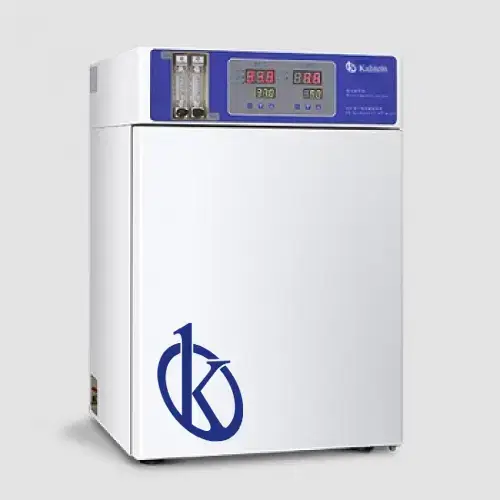
In 2026, CO₂ incubators are essential tools in laboratories, primarily used for the cultivation of cells, tissues, and bacteria. These devices maintain a controlled environment that mimics physiological conditions, which is crucial for various applications in immunology, oncology, genetics, and bioengineering. Their functionality extends to microbiological research, agricultural science, and pharmaceutical production, making them indispensable in modern laboratory settings.
History and evolution of the technology
The concept of CO₂ incubators dates back several decades, with early models providing basic temperature and CO₂ level control. Over the years, advancements in technology have led to more sophisticated systems equipped with microprocessor controls, improved temperature stability, and enhanced CO₂ monitoring capabilities. Innovations such as UV sterilization and advanced heating methods have further refined their effectiveness in preventing contamination and ensuring optimal growth conditions.
How to use it step by step
Using a CO₂ incubator involves several crucial steps to ensure optimal performance:
- Preparation: Ensure the incubator is clean and free from contaminants. Use a disinfectant to wipe down surfaces.
- Set parameters: Program the desired temperature, humidity, and CO₂ levels based on your cell culture requirements.
- Loading samples: Place your culture dishes or flasks carefully inside the incubator. Avoid overcrowding to ensure proper airflow.
- Monitoring: Regularly check the incubator’s display to ensure that parameters are stable and within set limits.
- Maintenance: Regularly clean and calibrate the incubator to maintain its performance and prolong its lifespan.
Best techniques and protocols
To achieve the best results with CO₂ incubators, laboratory professionals should adhere to specific techniques and protocols:
- Always preheat the incubator before introducing samples.
- Use high-quality CO₂ sensors for accurate monitoring.
- Implement a strict sterilization protocol to minimize contamination risks.
- Optimize humidity levels to prevent desiccation of cultures.
- Document all parameters and any deviations during experiments for future reference.
Practical applications by laboratory type
CO₂ incubators find use across various laboratory types:
- Biomedical laboratories: Ideal for cell line cultivation and genetic studies.
- Microbial laboratories: Support the growth of bacteria and fungi under controlled conditions.
- Pharmaceutical labs: Essential for drug development and testing processes.
- Agricultural research: Facilitate studies on plant cells and tissue responses.
Regulations, standards and certifications
Laboratories must adhere to specific regulations and standards when using CO₂ incubators. Compliance with ISO standards for laboratory equipment is vital. Additionally, equipment should meet local safety and health regulations, ensuring that they are reliable and safe for use in sensitive environments.
Comparison with alternative technologies
While CO₂ incubators are widely used, there are alternative technologies such as hypoxic incubators and environmental chambers. These alternatives provide specialized conditions for particular cell types but lack the versatility and ease of use offered by CO₂ incubators. The choice between these technologies depends on specific research needs and available resources.
Comparison of available models
| Model | Best for | Key specs | Recommended use case |
|---|---|---|---|
| YR02048 | Cell and tissue culture | Temperature range: RT + 5 ~ 60℃; CO2 range: 0 ~ 20% | Suitable for basic cell culture applications in microbiology. |
| YR02049 | Cell and tissue culture | Temperature range: RT + 5 ~ 60℃; CO2 range: 0 ~ 20% | Recommended for advanced research in oncology and genetics. |
| YR02049-1 | Microbiological research | Temperature range: RT + 5 ~ 55℃; CO2 range: 0 ~ 20% | Best for studies requiring a stable temperature and CO2 levels. |
Common mistakes and how to avoid them
Common mistakes when using CO₂ incubators include:
- Failing to preheat before use, leading to temperature fluctuations.
- Overloading the incubator, which can hinder airflow and impact results.
- Neglecting regular maintenance and calibration, causing equipment failure.
- Using unsterilized tools for sample handling, increasing contamination risk.
Maintenance, calibration and good practices 2026
To ensure longevity and reliable performance, follow these maintenance practices:
- Regularly clean the interior and exterior surfaces with approved disinfectants.
- Calibrate temperature and CO2 sensors at least biannually.
- Monitor humidity levels and replace water regularly in humidification systems.
- Keep a log of maintenance activities and any issues encountered.
Cost-benefit analysis 2026
When evaluating the costs associated with CO₂ incubators, consider both direct and indirect expenses. Direct costs include acquisition price, maintenance, and utility consumption. Indirect costs may involve potential losses from failed experiments due to faulty equipment. Investing in a reliable CO₂ incubator can reduce risks and enhance research quality, ultimately providing a favorable cost-benefit ratio for laboratories.
Frequently asked questions
How do I choose the right CO₂ incubator for my lab?
When choosing a CO₂ incubator, consider factors such as the temperature range, CO₂ control accuracy, interior size, and additional features like UV sterilization. Assess your specific research needs to select a model that best fits your applications.
What are the key factors to maintain optimal conditions in a CO₂ incubator?
Key factors include maintaining accurate temperature and CO₂ levels, ensuring proper humidity, and regular cleaning and calibration of the equipment.
How often should I calibrate my CO₂ incubator?
It is recommended to calibrate your CO₂ incubator at least every six months or more frequently if you notice any fluctuations in the readings.
Can I use CO₂ incubators for different types of cultures?
Yes, CO₂ incubators are versatile and can be used for various cultures, including mammalian cells, bacteria, and even some plant tissues, depending on the specific incubator settings.
What should I do if I encounter contamination issues?
If contamination occurs, first remove and dispose of contaminated samples. Thoroughly clean the incubator before reintroducing new cultures. Regular sterilization practices can help prevent future issues.
What is the importance of humidity control in a CO₂ incubator?
Humidity control is essential to prevent dehydration of cultures. Maintaining high humidity levels helps preserve cell viability and promotes healthy growth.
Where can I request a quote for a CO₂ incubator?
You can request a quote for CO₂ incubators through our dedicated channels, where we can provide you with detailed information and competitive pricing options.
If you are looking for a fusion of innovation and quality, you have come to the right place. At Kalstein, we offer you the luxury of exploring our exclusive catalog of laboratory equipment. We manufacture every device to the highest standards of excellence. Our intuitive and seamless online purchasing channels are designed for your convenience, securing the most competitive prices. Hesitate no longer — we bring science to life, it is time to become part of our community.