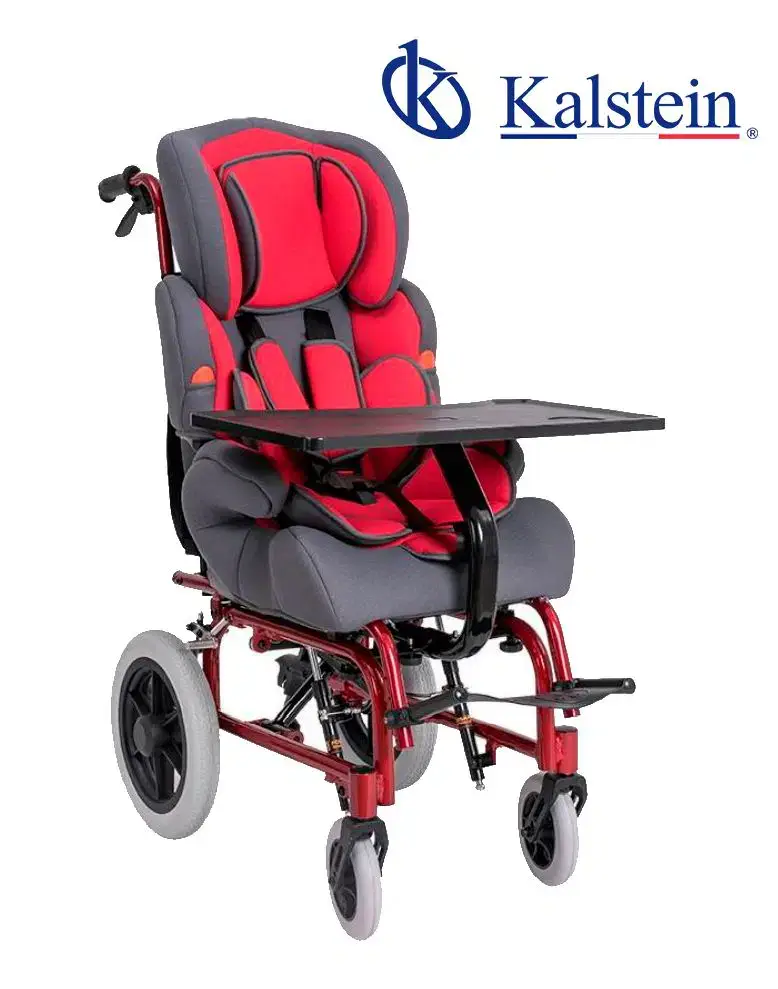
Children Wheelchairs: Practical Applications and Techniques 2026
Children wheelchairs are essential mobility devices designed specifically for children with varying degrees of mobility challenges. In 2026, their applications not only span clinical settings but also sports, rehabilitation, and everyday life. Understanding the appropriate use, maintenance, and selection of these devices is vital for achieving optimal outcomes for young users.
What is it used for in 2026
In 2026, children wheelchairs are primarily used to enhance mobility among children with physical disabilities. These devices are critical in promoting independence and mobility, allowing children to participate in daily activities, education, and recreational pursuits. They are designed to accommodate specific needs such as postural support, comfort, and safety. Furthermore, they aid in rehabilitation processes for children recovering from injuries or surgeries.
History and evolution of the technology
The evolution of wheelchair technology has been significant. Early models were rudimentary, primarily built from wood and lacking adjustability. Over the decades, advancements in materials and design have led to the development of lightweight, robust, and adjustable wheelchairs. Innovations in wheelchair technology have greatly improved maneuverability, safety features, and user comfort, thereby enhancing the overall quality of life for children with mobility challenges.
How to use it step by step
Using a children wheelchair involves several steps to ensure safety and comfort:
- Familiarization: Understand the features of the wheelchair, including brakes, footrests, and safety belts.
- Adjustments: Adjust the seat height, backrest angle, and footrests to fit the child’s dimensions and comfort level.
- Safety Checks: Ensure that all components are secure and functioning before use. Check brakes and footrests.
- Assistance: When necessary, provide assistance to the child in getting into and out of the wheelchair safely.
- Mobility: Teach the child how to maneuver the wheelchair, including turning and navigating different terrains.
- Storage: When not in use, store the wheelchair in a safe and accessible location.
Best techniques and protocols
To ensure effective use of children wheelchairs, certain techniques and protocols can be followed:
- Regular Training: Provide training for caregivers and users on proper wheelchair handling and maintenance.
- Posture Correction: Ensure that the child maintains proper posture in the wheelchair to prevent discomfort and long-term health issues.
- Routine Maintenance: Conduct regular checks for wear and tear, and address any issues promptly to ensure safety.
- Comfort Adjustments: Regularly adjust the seating and backrest to ensure comfort and support as the child grows.
Practical applications by laboratory type
In laboratory or clinical environments, children wheelchairs are utilized in various capacities:
- Research Laboratories: Used in studies evaluating mobility aids and enhancing therapeutic outcomes.
- Physical Therapy Clinics: Employed in rehabilitation sessions to aid in mobility training for children.
- Pediatric Units: Used in hospitals for children with mobility impairments, facilitating their movement within the facility.
Regulations, standards and certifications
The production and use of children wheelchairs are governed by several regulations and standards to ensure safety and efficacy. Compliance with international standards such as ISO 7176 for wheelchairs and ASTM F1951 for accessibility is crucial. Manufacturers must also adhere to guidelines set forth by relevant health authorities to ensure the devices meet safety and performance criteria.
Comparison with alternative technologies
While children wheelchairs are a primary choice for mobility, there are alternative technologies available, such as:
- Strollers: Suitable for younger children or those needing less support, but limited in mobility.
- Walkers: Aid locomotion for children with partial mobility, but require balance and strength.
- Power Wheelchairs: Beneficial for children with severe mobility limitations, offering independence through powered movement.
Comparison of available models
| Model | Best for | Key specs | Recommended use case |
|---|---|---|---|
| YR05459 | Lightweight and portable usage | Seat Width: 30cm, Load: 75kg | Daily mobility and ease of transport |
| YR05460 | Comfort and stability | Seat Width: 42cm, Load: 75kg | Use in rehabilitation clinics with adjustable features |
| YR05457 | General mobility | Seat Width: 38cm, Load: 100kg | Hospitals and outpatient facilities |
| YR05458 | Versatile use | Seat Width: 38cm, Load: 100kg | Everyday mobility and activity participation |
| YR06611 | Special needs and support | Seat Width: 34cm, Load: 75kg | Children with cerebral palsy or other special mobility needs |
Common mistakes and how to avoid them
When using children wheelchairs, some common mistakes include:
- Improper adjustments: Always ensure the wheelchair is correctly adjusted to fit the child’s dimensions to avoid discomfort and injury.
- Neglecting maintenance: Regularly check and maintain the wheelchair to ensure safety and functionality.
- Inadequate training: Provide comprehensive training for caregivers and users on the operation and care of the wheelchair.
Maintenance, calibration and good practices 2026
Effective maintenance of children wheelchairs is essential for safety and performance. This includes:
- Routine Inspections: Conduct thorough inspections monthly to check for any wear or damage.
- Cleaning: Regularly clean the wheelchair, including the wheels and frame, to prevent build-up of debris.
- Calibrating parts: Adjust and calibrate the chair’s parts according to the manufacturer’s instructions.
Cost-benefit analysis 2026
The cost of children wheelchairs varies based on features and specifications. However, the benefits greatly outweigh the costs. Investing in a quality children wheelchair enhances mobility, promotes independence, and can significantly improve the quality of life for children with disabilities. In addition, they serve as important tools in rehabilitation and education, offering long-term benefits that justify the initial investment.
Frequently asked questions
What should I consider when choosing a children wheelchair?
Consider the child's specific mobility needs, comfort features, and the intended use of the wheelchair. Assess the weight capacity, adjustability, and ease of transport.
How do I determine the right size of wheelchair for my child?
Measure your child's seat width, depth, and height to ensure a proper fit. Most manufacturers provide sizing guides to assist in this process.
Can my child use a wheelchair for sports activities?
Yes, specialized sport wheelchairs are available that provide the necessary support and maneuverability for various sports, allowing children to engage actively.
How often should I maintain the wheelchair?
Conduct routine maintenance checks monthly, and inspect the chair after significant use, such as after sports activities or long outings.
Are there any financial assistance options for acquiring a children wheelchair?
Yes, many organizations and government programs offer financial assistance or grants for families in need of mobility aids for children.
What safety features should I look for in a children's wheelchair?
Look for features such as secure seatbelts, anti-tipping mechanisms, adjustable footrests, and robust braking systems to ensure safety while using the wheelchair.
How do I encourage my child to use their wheelchair?
Promote independence by allowing them to navigate their environment and involve them in choosing the wheelchair features that best meet their needs.
If you are looking for a fusion of innovation and quality, you have come to the right place. At Kalstein, we offer you the luxury of exploring our exclusive catalog of laboratory equipment. We manufacture every device to the highest standards of excellence. Our intuitive and seamless online purchasing channels are designed for your convenience, securing the most competitive prices. Hesitate no longer — we bring science to life, it is time to become part of our community.