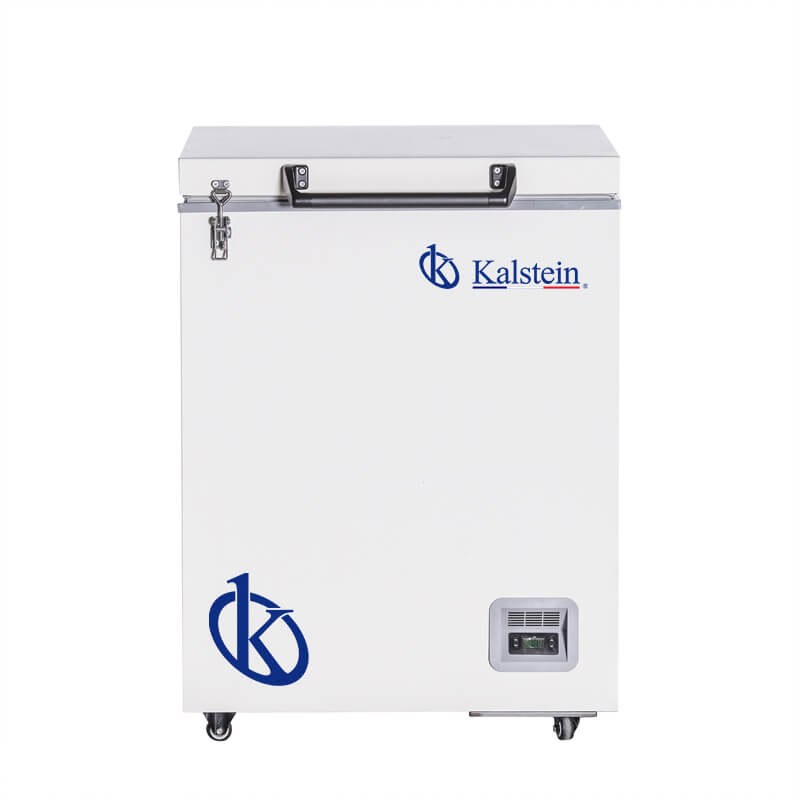
Chest Freezers: Predictive Maintenance and Recommended Calibration Practices 2026
Chest freezers are critical assets in laboratories, particularly for storing biological samples, vaccines, and laboratory materials. With their essential role, maintaining optimal performance through predictive maintenance and routine calibration is vital. This analysis focuses on the predictive maintenance strategies and calibration practices that should be implemented in 2026 to ensure that chest freezers perform reliably and efficiently.
Understanding Predictive Maintenance for Chest Freezers
Predictive maintenance involves using data analytics and monitoring tools to predict equipment failures before they occur. For chest freezers, this means regularly assessing performance metrics and temperature stability. Adopting predictive maintenance helps avoid unexpected breakdowns, which can result in the loss of valuable samples.
Key Calibration Practices for Chest Freezers
Calibration is necessary to ensure that the temperature readings of chest freezers are accurate and reliable. Regularly scheduled calibration checks can prevent fluctuations that might compromise the integrity of stored samples. Calibration involves comparing the freezer’s temperature and performance against traceable standards.
Importance of Regular Calibration and Maintenance
Regular calibration and maintenance help extend the lifespan of equipment and enhance operational efficiency. When applied to chest freezers such as the YR05102, YR05103, and YR05104, these practices ensure compliance with laboratory standards and protect valuable research materials.
Common Calibration Intervals for Chest Freezers
Calibrating chest freezers should align with laboratory protocols and standards. Generally, it is recommended to conduct calibration every six months or in the event of a temperature deviation. Examining the models like YR05314 and YR05315, which are optimized for ultra-low temperatures, underscores the necessity of regular calibration to maintain stability.
Predictive Maintenance Metrics
Monitoring predictive maintenance metrics such as Mean Time Between Failures (MTBF) and Mean Time to Repair (MTTR) is crucial. For instance, knowing that the YR05314 has a noise level of 54.5 dB and consumes 11.5 kWh provides valuable insights for maintenance schedules and energy assessments.
Energy Consumption and Efficiency in Chest Freezers
Evaluating the energy consumption of different chest freezers can reveal potential savings and efficiency improvements. For example, while the YR05103 has a lower energy consumption of 1.68 kWh compared to the YR05104's 3.45 kWh, both should be calibrated to reflect this performance accurately.
Comparison of Available Models
| Model | Temperature Range (°C) | Energy Consumption (kWh/24h) | Best for |
|---|---|---|---|
| YR05102 | -10 to -40 | 1.65 | General Laboratory Use |
| YR05103 | -10 to -40 | 1.68 | Research Facilities |
| YR05104 | -20 to -40 | 3.45 | Biological Sample Storage |
| YR05314 | -40 to -86 | 11.5 | Ultra-Low Temperature Applications |
| YR05313 | -40 to -86 | 3.8 | Small Laboratory Use |
| YR05315 | -25 to -60 | 3.2 | Biomedical Storage |
Common Mistakes and How to Avoid Them
A prevalent mistake in laboratory settings is neglecting the importance of regular maintenance and calibration. Labs may overlook the recommended intervals and assume their equipment is functioning correctly without verification. To avoid this, create a maintenance schedule and establish accountability within the lab team to ensure consistent adherence to best practices.
Frequently asked questions
How often should chest freezers be calibrated for optimal performance?
Chest freezers should be calibrated at least every six months to ensure optimal performance. For models like YR05102 and YR05104, maintaining this schedule is crucial to prevent temperature fluctuations that could affect stored samples.
What are the best practices for maintaining ultra-low temperature freezers?
Best practices for maintaining ultra-low temperature freezers, such as the YR05314, include regular calibration, monitoring temperature stability, and ensuring proper sealing of doors to prevent air leakage, which can compromise performance.
Which chest freezers are best for laboratory use in 2026?
The best chest freezers for laboratory use in 2026 include the YR05102 for general use and the YR05314 for ultra-low temperature applications. Their design features and reliability make them suitable for various laboratory environments.
How can predictive maintenance extend the lifespan of chest freezers?
Predictive maintenance helps extend the lifespan of chest freezers by identifying potential failures before they occur, allowing for timely repairs. Models like YR05103 benefit from this approach, ensuring consistent performance and longevity.
What energy efficiency metrics should be monitored for chest freezers in labs?
Monitoring energy consumption metrics such as kilowatt-hours used per day is essential for chest freezers like the YR05104. Keeping track of these metrics can help labs optimize energy efficiency and reduce operational costs.
How does calibration affect the performance of chest freezers?
Calibration affects the performance of chest freezers by ensuring accurate temperature readings. For example, without proper calibration, models like YR05315 risk compromising stored biological materials due to potential temperature deviations.
What should labs do to ensure compliance with storage standards in 2026?
To ensure compliance with storage standards in 2026, labs should establish a regular calibration schedule for their equipment, including chest freezers like the YR05103, and train staff on best practices for equipment maintenance and monitoring.
What is the average cost of a high-performance chest freezer in 2026?
The average cost of high-performance chest freezers varies by model. For instance, the YR05314 is priced at approximately $3150, reflecting its advanced features suitable for ultra-low temperature applications in laboratories.
If you are looking for a fusion of innovation and quality, you have come to the right place. At Kalstein, we offer you the luxury of exploring our exclusive catalog of laboratory equipment. We manufacture every device to the highest standards of excellence. Our intuitive and seamless online purchasing channels are designed for your convenience, securing the most competitive prices. Hesitate no longer — we bring science to life, it is time to become part of our community.