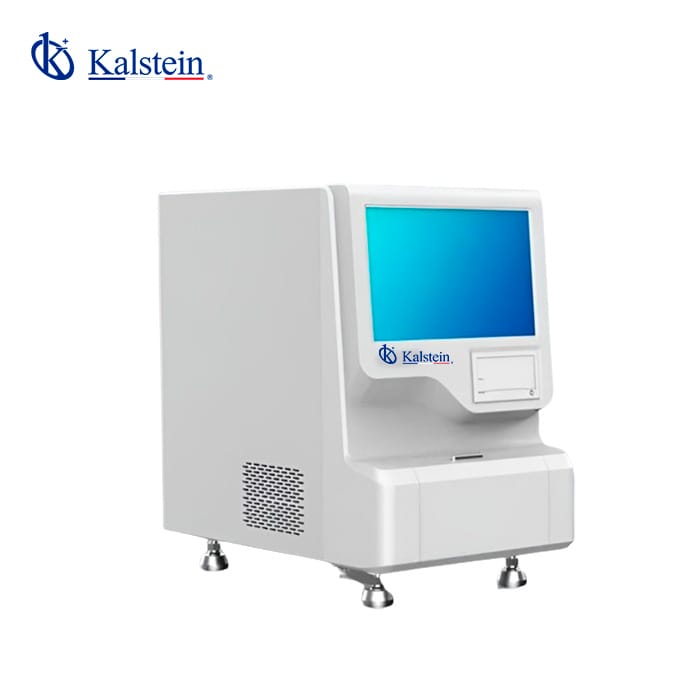
Chemiluminescent Immunoassay Analyzers: Integration with LIMS and Data Flow Digitalization Insights 2026
Chemiluminescent immunoassay analyzers (CLIAs) are at the forefront of modern diagnostic technology, enabling laboratories to achieve rapid, accurate, and versatile testing. As the demand for efficiency and accuracy grows, the integration of these analyzers with Laboratory Information Management Systems (LIMS) is becoming increasingly vital. This article delves into the significance of LIMS integration and data flow digitalization within the realm of chemiluminescent immunoassay analyzers, focusing on key models available in 2026.
Understanding LIMS Integration and Its Importance in Laboratories
LIMS offers a streamlined approach to data management, allowing laboratories to maintain accurate records, improve workflow efficiency, and ensure data integrity. The integration of chemiluminescent immunoassay analyzers with LIMS systems enables seamless data transfer, reduces manual entry errors, and enhances overall laboratory productivity. Moreover, it facilitates compliance with regulatory standards, ensuring that laboratories can maintain high levels of accuracy and efficiency.
Key Connectivity Protocols for LIMS Integration
To achieve effective integration, chemiluminescent immunoassay analyzers need to support various connectivity protocols such as HL7, ASTM, and RESTful APIs. These protocols enable bidirectional communication between the analyzer and the LIMS, allowing for real-time data updates and access. Understanding these protocols is crucial for laboratories aiming to modernize their operations and enhance data flow.
Data Flow Digitalization: Enhancing Laboratory Workflow
Digitalizing data flow in laboratories transforms how information is captured, processed, and stored. By utilizing analyzers equipped with advanced software and connectivity options, laboratories can automate data transfer, minimizing the risk of human error and improving turnaround times. This digitalization process not only increases efficiency but also allows for better data management and reporting capabilities.
Case Studies on Successful LIMS Integration
Numerous laboratories have successfully implemented LIMS integration with chemiluminescent immunoassay analyzers, resulting in significant improvements in operational efficiency. For instance, a clinical lab utilizing the Full-Automatic Chemiluminescent Immunoassay Analyzer YR06387 reported a 30% reduction in turnaround times after integrating their system with a LIMS.
Comparison of Available Models
| Model | Connectivity | Protocols Supported | Integration Effort | Best For |
|---|---|---|---|---|
| YR06387 | Yes | HL7, REST | Moderate | High-throughput settings |
| YR06388 | Yes | HL7, ASTM | Low | Emergency labs |
| YR06389 | Yes | REST, ASTM | High | Clinical laboratories |
| YR06390 | Yes | HL7, REST | Moderate | Diagnostic centers |
| YR06710 | Yes | HL7, ASTM | Low | Small labs |
Challenges in LIMS Integration
Despite the benefits, integrating chemiluminescent immunoassay analyzers with LIMS can pose challenges. Common issues include software compatibility, data migration difficulties, and the need for staff training. Laboratories must carefully assess their existing systems and address these challenges to ensure a smooth transition to a fully integrated environment.
Common Mistakes and How to Avoid Them
Laboratories often make several mistakes during the integration process, such as underestimating the required resources or failing to involve key stakeholders. To avoid these pitfalls, it is essential to establish a clear integration plan, engage with all relevant personnel, and allocate appropriate resources for training and system upgrades.
Frequently Asked Questions
What are the benefits of LIMS integration for chemiluminescent immunoassay analyzers in 2026?
LIMS integration enhances data management efficiency and accuracy for chemiluminescent immunoassay analyzers such as the YR06387. The automation of data flow reduces manual entry errors, thereby improving turnaround times and compliance with regulatory standards.
How can data flow digitalization improve lab operations for CLIAs in 2026?
Data flow digitalization improves laboratory operations by automating data entry and processing, thereby minimizing human errors. For example, using the YR06388 in conjunction with LIMS can streamline workflows and enhance reporting capabilities.
Which connectivity protocols should be supported by chemiluminescent immunoassay analyzers for LIMS integration?
For effective LIMS integration, chemiluminescent immunoassay analyzers like YR06389 should support connectivity protocols such as HL7 and RESTful APIs, enabling seamless data transfer and communication between systems.
What is the expected integration effort for the YR06390 chemiluminescent immunoassay analyzer with LIMS?
The expected integration effort for the YR06390 is moderate, as it supports HL7 and REST protocols, allowing laboratories to efficiently connect this analyzer with their LIMS systems.
How has LIMS integration impacted turnaround times in labs using the YR06710 model?
LIMS integration has significantly reduced turnaround times in labs using the YR06710, allowing for faster access to results and improved workflow efficiency, particularly in emergency departments.
What resources are required for successful LIMS integration with chemiluminescent immunoassay analyzers?
Successful LIMS integration requires resources such as software compatibility assessments, training for staff, and potentially additional hardware. For instance, labs using YR06388 should plan for these aspects during the integration process.
What common mistakes should labs avoid when integrating CLIAs with LIMS?
Common mistakes include underestimating the time and resources needed for integration and neglecting to involve key stakeholders. Labs should develop a clear plan to mitigate these issues when integrating analyzers like the YR06387.
How does the YR06389 analyzer support compliance during LIMS integration?
The YR06389 supports compliance during LIMS integration by maintaining accurate records and facilitating real-time data updates, which are crucial for meeting regulatory standards in laboratory operations.
If you are looking for a fusion of innovation and quality, you have come to the right place. At Kalstein, we offer you the luxury of exploring our exclusive catalog of laboratory equipment. We manufacture every device to the highest standards of excellence. Our intuitive and seamless online purchasing channels are designed for your convenience, securing the most competitive prices. Hesitate no longer — we bring science to life, it is time to become part of our community.