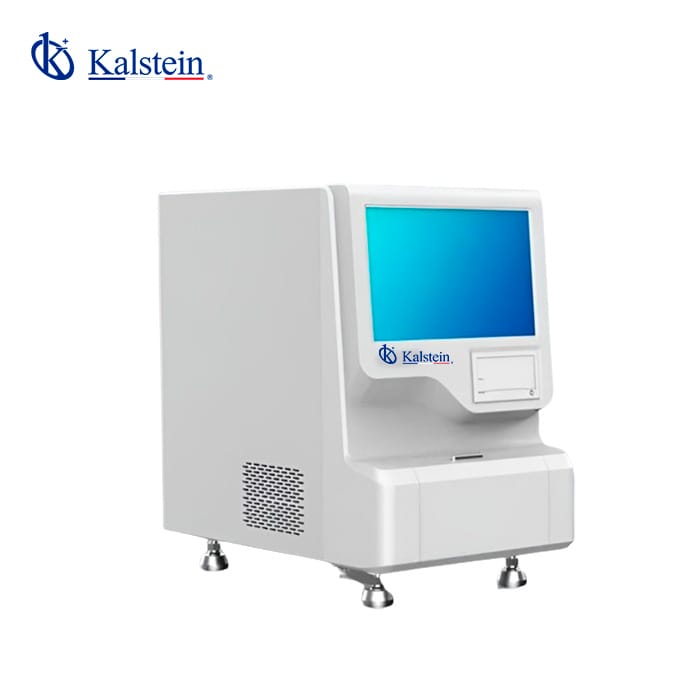
Chemiluminescence Immunoassay Analyzers: Predictive Maintenance and Recommended Calibration 2026
Chemiluminescence Immunoassay Analyzers (CIAs) have revolutionized diagnostic testing in clinical laboratories, providing rapid and accurate results. As labs strive for operational excellence, predictive maintenance and regular calibration have emerged as essential practices to enhance performance and reliability. In 2026, understanding these principles is crucial for laboratory professionals to ensure optimal functionality and compliance with industry standards.
Understanding Predictive Maintenance in CIAs
Predictive maintenance involves proactive measures to predict equipment failures before they occur. This strategy minimizes downtime and extends the life of Chemiluminescence Immunoassay Analyzers by scheduling maintenance based on actual equipment condition rather than a set timeline. By employing predictive maintenance, laboratories can ensure continuous operation and maintain the integrity of test results.
Calibration Protocols for Chemiluminescence Immunoassay Analyzers
Regular calibration is vital for ensuring that CIAs yield accurate and reliable results. Calibration protocols should be based on established guidelines, including the frequency of calibration, the standards used, and the qualifications of personnel performing the calibrations. In 2026, techniques for calibration will emphasize efficiency and accuracy, integrating advanced technologies and real-time monitoring systems.
Importance of Predictive Maintenance in Lab Efficiency
Implementing predictive maintenance strategies can significantly enhance lab efficiency. By analyzing performance data from CIAs, labs can identify patterns that indicate potential failures. This allows for timely interventions, reducing unexpected outages and ensuring that tests are processed without delays. For instance, the Full-Automatic Chemiluminescent Immunoassay Analyzer YR06387's maintenance schedule can be optimized based on usage data, predicting when specific parts may require servicing.
Calibration Intervals and Best Practices
Determining the correct calibration intervals for CIAs is fundamental to maintaining performance standards. Best practices suggest that calibration should be performed at least every six months or whenever there is a change in testing protocols or reagents. The Chemiluminescent Immunoassay Analyzer YR06388, for example, benefits from consistent calibration to ensure precision across various testing samples.
Integrating Technology for Predictive Maintenance
Advancements in technology, such as IoT and AI, are playing a pivotal role in predictive maintenance for CIAs. These technologies can analyze vast amounts of data from CIAs, facilitating predictive analytics that help in scheduling maintenance and calibrations effectively. This integration can lead to improved operational efficiency, as seen with the Immunoassay Analyzer YR06389, which utilizes intelligent controls to optimize its performance.
Evaluating Performance Metrics
Key performance indicators (KPIs) for predictive maintenance and calibration in CIAs include Mean Time Between Failures (MTBF) and Mean Time To Repair (MTTR). Monitoring these metrics allows laboratories to evaluate their maintenance strategies effectively. The Immunoassay Analyzer YR06390's advanced design helps maintain a low MTTR, ensuring quick service turnaround, which is critical in busy clinical environments.
Comparison of Available Models
| Model | Processing Speed | Calibration Frequency | Best For |
|---|---|---|---|
| YR06387 | 8 Channels | Every 6 months | Clinical settings |
| YR06388 | 16 Channels | Every 6 months | Emergency functions |
| YR06389 | 120T/h | Every 3 months | Outpatient settings |
| YR06390 | 220T/h | Every 3 months | High-volume labs |
| YR06710 | 1 to 12 Samples | Every month | Space-limited environments |
Common Mistakes and How to Avoid Them
One common mistake in laboratories is neglecting the importance of maintaining a calibration schedule. This can lead to inaccurate results and affect patient care. Additionally, failing to use appropriate calibration standards can compromise the reliability of test outcomes. Laboratories must ensure that technicians are trained and equipped to perform calibrations correctly, as seen with the Chemiluminescence Analyzer YR06710, which requires specific calibration techniques for optimal performance.
Frequently Asked Questions
How often should Chemiluminescence Immunoassay Analyzers be calibrated in 2026?
Chemiluminescence Immunoassay Analyzers should ideally be calibrated every six months or sooner if testing protocols change. For example, the Full-Automatic Chemiluminescent Immunoassay Analyzer YR06387 benefits from regular calibration to maintain accuracy.
What predictive maintenance strategies work best for CIAs?
Effective predictive maintenance strategies for Chemiluminescence Immunoassay Analyzers include condition monitoring and data analysis. An example is the Immunoassay Analyzer YR06389, which utilizes advanced technology to predict potential failures.
Which calibration standards are recommended for CIAs in 2026?
In 2026, it is recommended that Chemiluminescence Immunoassay Analyzers utilize ISO 15189 standards for calibration. This ensures accuracy and compliance with regulations, particularly for models like the Chemiluminescent Immunoassay Analyzer YR06388.
How can I reduce downtime with predictive maintenance?
To reduce downtime, labs can implement real-time monitoring systems for Chemiluminescence Immunoassay Analyzers. The Immunoassay Analyzer YR06390 is designed to facilitate quick repairs, thus minimizing downtime.
What factors influence calibration intervals for CIAs?
Calibration intervals for Chemiluminescence Immunoassay Analyzers are influenced by usage frequency, types of tests performed, and changes in reagents. Regular assessments, especially for models like the YR06390, can optimize these intervals.
How does predictive maintenance impact lab productivity?
Predictive maintenance significantly enhances lab productivity by preventing unexpected breakdowns and ensuring continuous operation of Chemiluminescence Immunoassay Analyzers. For instance, the YR06388's capability to perform parallel tests allows for higher throughput when well-maintained.
What are the cost implications of maintenance for CIAs?
Maintaining Chemiluminescence Immunoassay Analyzers can involve significant costs, including parts and labor. However, predictive maintenance, as employed by the Full-Automatic Chemiluminescent Immunoassay Analyzer YR06387, can reduce long-term expenses by preventing costly failures.
How can I ensure compliance with calibration regulations?
To ensure compliance with calibration regulations, laboratories should follow ISO standards and maintain detailed records. Regular calibration of models like YR06710 aids in adhering to these regulations effectively.
If you are looking for a fusion of innovation and quality, you have come to the right place. At Kalstein, we offer you the luxury of exploring our exclusive catalog of laboratory equipment. We manufacture every device to the highest standards of excellence. Our intuitive and seamless online purchasing channels are designed for your convenience, securing the most competitive prices. Hesitate no longer — we bring science to life, it is time to become part of our community.