Chemical Analyzers: Practical Applications and Techniques 2026
What is it used for in 2026
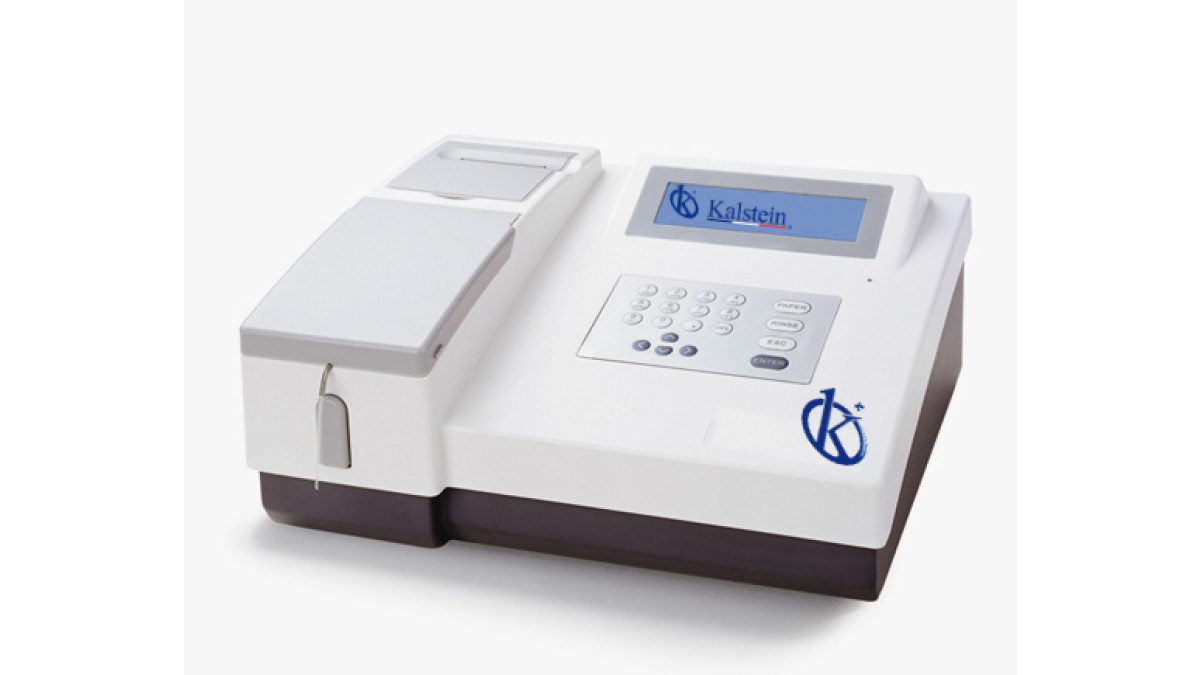
Chemical analyzers are essential tools in clinical and hospital laboratories, used for quantifying various chemical substances in biological samples. They play a critical role in diagnosing diseases, monitoring patient health, and conducting research. In 2026, advancements in technology have made these analyzers more efficient, user-friendly, and capable of delivering rapid results. Their applications span across chemistry, biochemistry, hematology, and toxicology, with each analyzer tailored to specific testing needs and protocols.
History and evolution of the technology
The journey of chemical analyzers began in the early 20th century with basic spectrophotometers that required manual operation. Over the decades, innovations in technology led to the introduction of semi-automatic and fully automatic systems, drastically improving workflow efficiency and accuracy. The integration of digital interfaces, advanced sensors, and automated sample handling systems marked the evolution into highly sophisticated devices we see today. Presently, chemical analyzers are equipped with features like real-time data analysis, cloud connectivity, and enhanced user interfaces.
How to use it step by step
Using a chemical analyzer involves several steps to ensure accurate results. Here’s a typical workflow:
- Preparation: Gather all necessary reagents, calibrate the analyzer, and ensure it is clean.
- Calibration: Run calibration standards to ensure accuracy. Follow the manufacturer's instructions for calibration procedures.
- Sample Preparation: Process the biological samples according to the required protocols, including dilution if necessary.
- Loading Samples: Place the prepared samples in the sample tray or designated area of the analyzer.
- Running the Analysis: Select the appropriate test protocol on the analyzer’s interface and start the analysis.
- Result Interpretation: Once the analysis is complete, review the results and validate them against control values.
- Documentation: Record the results in the laboratory information system (LIS) or manually, ensuring all data is accurate.
Best techniques and protocols
To maximize the efficiency of chemical analyzers, practitioners should follow best practices such as:
- Utilizing control samples regularly to verify accuracy and precision.
- Implementing standard operating procedures (SOPs) for sample preparation and handling.
- Maintaining equipment and performing routine calibration according to manufacturer specifications.
- Training staff thoroughly on the operation of the analyzer and troubleshooting common issues.
- Keeping detailed logs of maintenance, calibration, and results for quality control purposes.
Practical applications by laboratory type
Chemical analyzers find applications in various types of laboratories:
- Clinical Laboratories: Analyze blood and urine samples for metabolic and endocrine disorders.
- Research Laboratories: Conduct biochemical studies, drug development, and toxicological assessments.
- Hospital Laboratories: Provide rapid test results to support timely patient care and treatment decisions.
- Environmental Laboratories: Monitor pollutants and assess soil and water quality.
Regulations, standards and certifications
In 2026, chemical analyzers must comply with various regulations and standards to ensure safety and efficacy. Key regulatory bodies include the FDA (Food and Drug Administration) and ISO (International Organization for Standardization). Laboratories must ensure that their equipment meets the necessary certifications, such as:
- ISO 15189 for medical laboratories
- CLIA (Clinical Laboratory Improvement Amendments) for clinical testing
- CE marking for equipment sold in Europe
Comparison with alternative technologies
Chemical analyzers can be compared with alternative technologies such as manual titrations and chromatographic techniques. While manual methods can be accurate, they are labor-intensive and time-consuming. Chromatography offers high precision but may require extensive training and maintenance. In contrast, chemical analyzers provide a balance of automation, reliability, and speed, making them a preferred choice in many laboratory settings.
Comparison of available models
| Model | Best for | Key specs | Recommended use case |
|---|---|---|---|
| YR05115 | Semi-automatic analysis | LCD, 5 wavelengths, 80 tests | Routine clinical tests |
| YR05114 | Semi-automatic analysis | LCD, 5 wavelengths, 80 tests | Routine clinical tests |
| YR06092 | Portable analysis | Adjustable temperature, LCD display | Field testing and on-site analysis |
| YR06075 | Automatic high-throughput | 560 tests/hour, multiple wavelengths | High-volume clinical labs |
| YR05116 | Semi-automatic analysis | Windows OS, continuous wave adjustment | Versatile laboratory testing |
| YR06078 | Semi-automatic analysis | 7 wavelengths, touch screen | Clinical testing with varied protocols |
Common mistakes and how to avoid them
Laboratory professionals should be aware of common pitfalls when using chemical analyzers:
- Neglecting calibration: Always calibrate before starting routine analyses to ensure accuracy.
- Improper sample handling: Follow SOPs for sample preparation to avoid contamination.
- Ignoring maintenance: Schedule regular maintenance checks to prevent equipment failure.
- Overloading the analyzer: Adhere to recommended sample capacities to ensure optimal performance.
Maintenance, calibration and good practices 2026
To maintain the effectiveness of chemical analyzers in 2026, establish a routine maintenance schedule that includes:
- Regularly checking and replacing parts such as lamps and filters.
- Performing calibration with control standards at the start and end of each shift.
- Keeping the software updated to incorporate the latest algorithms for accuracy.
- Training personnel on proper use and maintenance protocols to ensure longevity of the equipment.
Cost-benefit analysis 2026
Investing in chemical analyzers can be seen as a significant expense; however, the benefits often outweigh the costs. Key points for a cost-benefit analysis include:
- Increased Efficiency: Automation reduces manual labor, saving time and reducing human error.
- Rapid Results: Fast turnaround times can enhance patient care and laboratory throughput.
- Long-term Savings: With regular maintenance, the lifespan of the equipment can be extended, decreasing the need for replacements.
Frequently asked questions
What should I consider when choosing a chemical analyzer?
When selecting a chemical analyzer, factors such as the volume of tests needed, types of samples, available budget, and specific features like automation level and user interface should be considered.
How often should I calibrate my chemical analyzer?
Calibration frequency depends on the manufacturer's recommendations and laboratory protocols, but it is generally advisable to calibrate before starting daily tests and after maintenance or repairs.
What are the key differences between semi-automatic and automatic chemical analyzers?
Semi-automatic analyzers require manual input for certain steps, while automatic analyzers operate fully independently, providing a faster and more streamlined workflow, especially useful in high-volume settings.
Can I use chemical analyzers for environmental testing?
Yes, many chemical analyzers are versatile and can be adapted for environmental testing, including water quality analysis and soil assessments, provided they are calibrated properly for those specific applications.
What are the common maintenance tasks for chemical analyzers?
Common maintenance tasks include regular calibration, cleaning of sample compartments, replacement of worn-out parts like lamps and filters, and software updates to ensure optimal performance.
How can I ensure accurate results from my chemical analyzer?
To ensure accurate results, always follow SOPs for sample preparation, maintain and calibrate the equipment according to the manufacturer's guidelines, and regularly run control samples.
Is training necessary for using chemical analyzers?
Yes, training is essential for operators to understand the equipment’s functionality, troubleshoot potential issues, and follow proper protocols to ensure reliable and accurate results.
If you are looking for a fusion of innovation and quality, you have come to the right place. At Kalstein, we offer you the luxury of exploring our exclusive catalog of laboratory equipment. We manufacture every device to the highest standards of excellence. Our intuitive and seamless online purchasing channels are designed for your convenience, securing the most competitive prices. Hesitate no longer — we bring science to life, it is time to become part of our community.