Benchtop Spectrophotometers: Applications in Research, Biotechnology, and Academia 2026
What is it used for in 2026
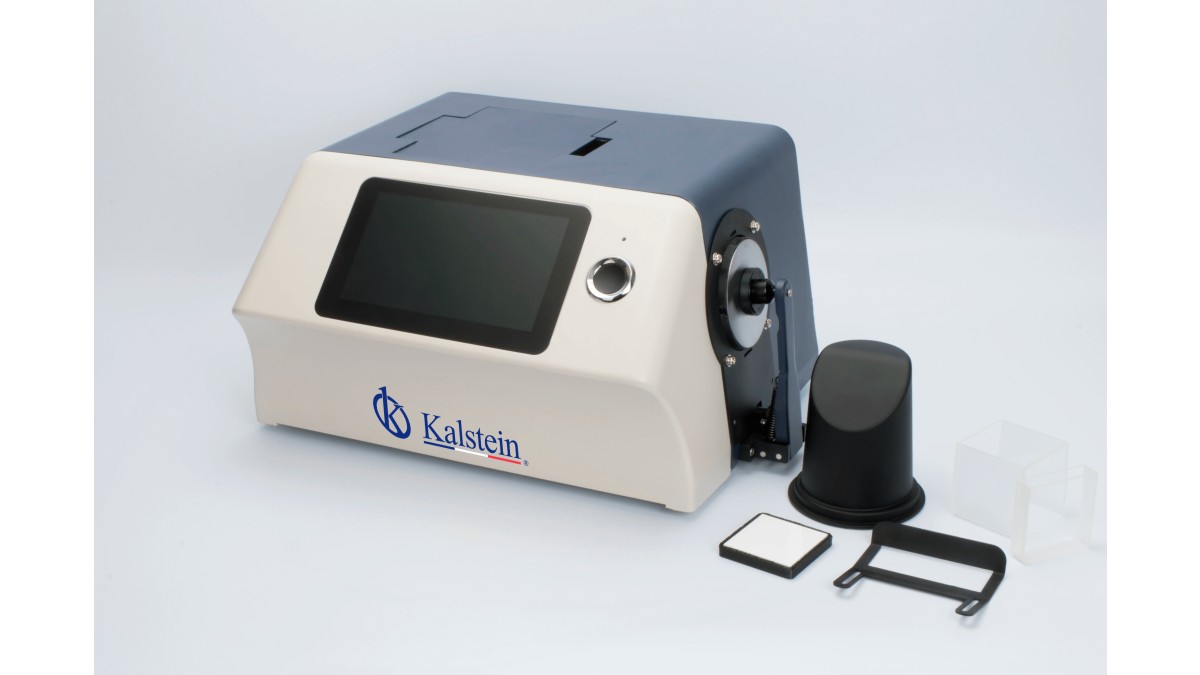
Benchtop spectrophotometers are essential tools in modern laboratories, primarily used to measure the intensity of light at different wavelengths, which is crucial for determining the color and concentration of various substances. In 2026, their applications span across research, biotechnology, and academic settings, facilitating tasks such as quality control, chemical analysis, and color measurement.
These devices are employed in a multitude of industries, including pharmaceuticals, food and beverage, and materials science, to analyze samples ranging from liquid solutions to solid materials. Their capacity to deliver precise and accurate measurements makes them indispensable for professionals engaged in research and development, ensuring that experiments yield reliable data.
History and evolution of the technology
The evolution of spectrophotometry dates back to the early 19th century, when scientists began to explore the relationship between light and matter. Early models were bulky and predominantly used in specialized laboratories. However, advancements in technology have led to the development of benchtop spectrophotometers that are more compact, versatile, and user-friendly.
With the introduction of digital displays and data processing software, contemporary benchtop spectrophotometers have significantly enhanced the accuracy and efficiency of measurements. This progression has allowed for the integration of these devices in various fields, enabling researchers to conduct sophisticated analyses that were previously time-consuming and challenging.
How to use it step by step
Using a benchtop spectrophotometer involves several crucial steps to ensure precise measurements:
- Preparation of the instrument: Ensure that the spectrophotometer is clean and calibrated according to the manufacturer's specifications.
- Sample preparation: Prepare the samples to be analyzed, ensuring they are free from contaminants and properly diluted if necessary.
- Setting the parameters: Select the appropriate wavelength range and measurement mode on the device, depending on the analysis type.
- Baseline measurement: Measure the baseline or blank sample to establish a reference point for your measurements.
- Sample measurement: Place the sample in the designated compartment and initiate the measurement.
- Data analysis: Once the measurement is complete, analyze the data using the accompanying software or manually record the results.
- Cleaning and shutdown: Clean the sample compartment and properly turn off the instrument after use.
Best techniques and protocols
To achieve accurate results when using benchtop spectrophotometers, laboratory professionals should adhere to the following techniques and protocols:
- Utilize clean cuvettes for all liquid samples to avoid contamination.
- Calibrate the instrument regularly to maintain accuracy.
- Follow standardized methods for sample preparation and analysis to ensure consistency.
- Document all measurements and conditions to facilitate reproducibility.
- Maintain consistent environmental conditions such as temperature and humidity during measurements.
Practical applications by laboratory type
Different types of laboratories utilize benchtop spectrophotometers for various applications:
Academic laboratories
In academic settings, these devices are used for teaching purposes and research projects, helping students and researchers understand the principles of light absorption and transmission.
Pharmaceutical laboratories
Pharmaceutical companies employ spectrophotometers for quality control, ensuring that drug formulations meet specified standards.
Food and beverage laboratories
In this sector, spectrophotometers analyze color and transparency of products, which is crucial for quality assurance and compliance with regulations.
Environmental laboratories
Environmental testing laboratories use these instruments to analyze water and soil samples for contaminants, ensuring public safety and compliance with environmental standards.
Regulations, standards and certifications
Benchtop spectrophotometers must meet various international standards and regulations, such as ISO, ASTM, and CIE guidelines. These standards ensure that the devices produce reliable and reproducible results across different applications. Compliance with these regulations is vital for laboratories that aim to maintain certifications and deliver quality-controlled products.
Comparison with alternative technologies
While benchtop spectrophotometers are widely used, alternative technologies exist for light measurement, including:
- Colorimeters: Simpler and less expensive, suitable for measuring color in specific applications but less versatile than spectrophotometers.
- Fluorometers: Used for measuring fluorescence, essential for specific biological applications but not suitable for all sample types.
- High-Performance Liquid Chromatography (HPLC): Provides high-resolution separation of mixtures but is more complex and requires more extensive setup.
Ultimately, the choice between these technologies depends on the specific measurement requirements and the nature of the samples being analyzed.
Comparison of available models
| Model | Best for | Key specs | Recommended use case |
|---|---|---|---|
| YR05474 | Color analysis in R&D environments | Price: $6430.00, Dimensions: x x | Ideal for laboratories focusing on precise color measurement and analysis. |
| YR05475 | Color analysis in laboratory settings | Price: $4695.00, Dimensions: x x | Best suited for laboratories needing reliable color analysis with good storage capabilities. |
| YR05476 | High-precision color measurement | Price: $6430.00, Dimensions: x x | Recommended for research labs requiring detailed color transmission analysis. |
| YR05477 | Color and appearance evaluation | Price: $4695.00, Dimensions: x x | Ideal for laboratories assessing both liquid and solid samples for color and transparency. |
| YR05478 | Color difference formulas and indices | Price: $4445.00, Dimensions: x x | Best for quality control in various industries, such as textiles and plastics. |
| YR05482 | Non-contact measurements | Price: $4950.00, Dimensions: x x | Ideal for measuring samples that cannot be physically handled, such as powders and liquids. |
Common mistakes and how to avoid them
Laboratory professionals should be aware of common mistakes that can occur when using benchtop spectrophotometers:
- Neglecting calibration: Always calibrate the instrument before use to ensure accurate results.
- Inconsistent sample preparation: Ensure samples are consistently prepared under the same conditions for reliable data.
- Ignoring environmental factors: Maintain stable conditions, as temperature and humidity can affect measurements.
- Using dirty or scratched cuvettes: Clean cuvettes thoroughly before each use to prevent contamination.
Maintenance, calibration and good practices 2026
Proper maintenance and calibration of benchtop spectrophotometers are essential for ensuring longevity and accuracy:
- Conduct routine cleaning of the optical components and sample compartment.
- Regularly schedule calibration with standard reference materials to verify accuracy.
- Store the instrument in a controlled environment to prevent damage.
- Follow the manufacturer's guidelines for maintenance and troubleshooting.
Cost-benefit analysis 2026
When investing in a benchtop spectrophotometer, consider the following cost-benefit factors:
- Initial cost vs. potential revenue from precise measurements and quality assurance.
- Long-term operational costs, including maintenance and calibration.
- Return on investment through improved product quality and reduced waste.
- Enhanced research capabilities leading to potential grants and funding.
Frequently asked questions
What are the key factors to consider when choosing a benchtop spectrophotometer?
When selecting a benchtop spectrophotometer, consider the measurement range, resolution, ease of use, available software, and your specific application requirements.
How often should I calibrate my spectrophotometer?
Calibration frequency depends on usage; however, it is recommended to calibrate before each use or at least once a week for high-use instruments.
Can I use the same spectrophotometer for different sample types?
Yes, many benchtop spectrophotometers are versatile enough to analyze various sample types, including liquids and solids, but ensure the appropriate settings are used for each type.
What are the best practices for sample preparation?
Ensure samples are free of contaminants, consistently diluted if necessary, and that cuvettes are clean and scratches-free for reliable results.
How can I ensure my measurements are reproducible?
To achieve reproducible measurements, maintain consistent environmental conditions, standardize sample preparation methods, and regularly calibrate the instrument.
What are the advantages of non-contact spectrophotometers?
Non-contact spectrophotometers allow for precise measurements without physically interacting with the sample, making them ideal for sensitive materials and preventing contamination.
Where can I request a quote for a benchtop spectrophotometer?
You can easily request a quote through our dedicated platform, where we offer a comprehensive selection of benchtop spectrophotometers tailored to your needs.
If you are looking for a fusion of innovation and quality, you have come to the right place. At Kalstein, we offer you the luxury of exploring our exclusive catalog of laboratory equipment. We manufacture every device to the highest standards of excellence. Our intuitive and seamless online purchasing channels are designed for your convenience, securing the most competitive prices. Hesitate no longer — we bring science to life, it is time to become part of our community.