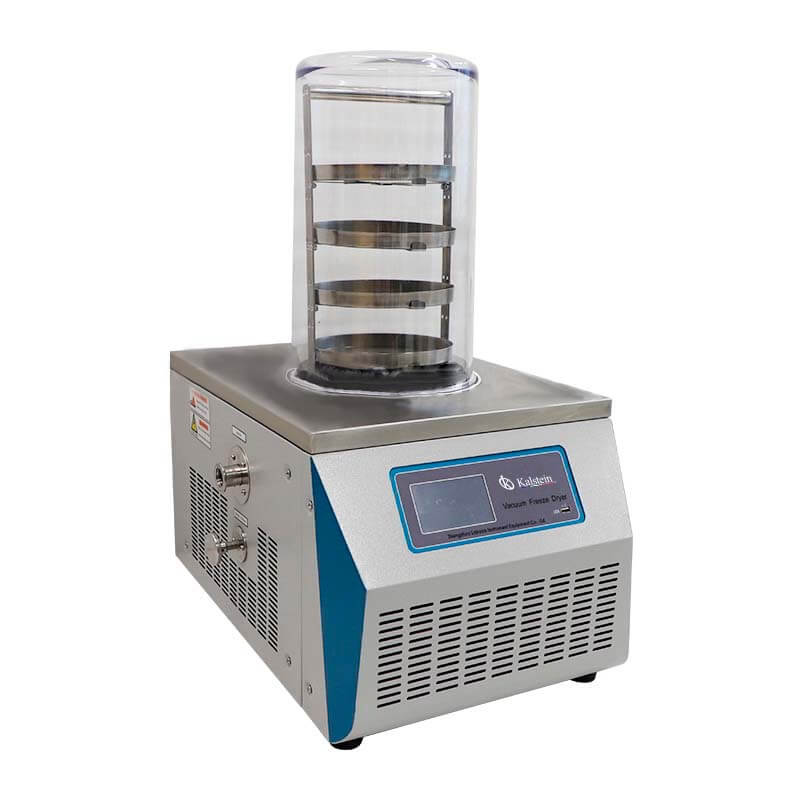
Benchtop Laboratory Freeze Dryers: Techniques and Protocols in 2026
What is it used for in 2026
In 2026, Benchtop Laboratory Freeze Dryers are extensively used across various sectors including pharmaceuticals, food production, and biological research. The primary application of these devices is to preserve sensitive materials by removing moisture through a process called sublimation. This technique allows the freeze-dried products to maintain their chemical and biological properties for long-term storage, thus making it easier to restore them to their original state when needed.
History and evolution of the technology
The technology of freeze drying has evolved significantly since its inception. Initially developed for preserving military food supplies during World War II, the process has grown to be crucial in various scientific fields. Over the years, advancements in vacuum technology, refrigeration methods, and control systems have improved the efficiency and reliability of Benchtop Freeze Dryers. In 2026, the latest models incorporate touchscreen interfaces, enhanced monitoring systems, and energy-efficient designs, making them indispensable tools in modern laboratories.
How to use it step by step
Using a Benchtop Laboratory Freeze Dryer involves several critical steps:
- Preparation: Ensure that the sample is appropriately prepared for freeze drying. This may involve pre-freezing the samples at a specified temperature.
- Loading: Place the samples on the trays of the freeze dryer, ensuring they are spaced adequately for airflow.
- Setting Parameters: Configure the machine settings such as temperature, pressure, and drying time, based on the material being processed.
- Starting the Process: Initiate the freeze-drying cycle and monitor the process through the display interface.
- Post-drying Handling: Once the cycle is complete, carefully remove the freeze-dried samples and store them in appropriate containers.
Best techniques and protocols
Implementing best practices for freeze drying can significantly enhance results:
- Optimize pre-freezing conditions to prevent ice crystal formation.
- Use appropriate vacuum levels for different materials to ensure efficient sublimation.
- Monitor product temperature during the process to avoid thermal degradation.
- Adopt standardized protocols for each type of sample to maintain consistency.
Practical applications by laboratory type
Benchtop Freeze Dryers find applications in various laboratory environments:
- Pharmaceutical Labs: Used for preserving vaccines and injectable drugs.
- Food Science Labs: For developing freeze-dried food products with extended shelf life.
- Biological Research Labs: Essential for preserving biological samples without compromising integrity.
Regulations, standards and certifications
Laboratories utilizing Benchtop Freeze Dryers must comply with various regulations and standards including:
- ISO 9001 for quality management systems.
- GMP guidelines for pharmaceutical applications.
- FDA regulations for food safety and drug approvals.
Comparison with alternative technologies
When comparing Benchtop Freeze Dryers to alternative preservation methods such as spray drying or air drying, freeze drying offers distinct advantages:
- Preserves the original structure and bioactivity of samples.
- Provides better control over the drying process.
- Minimizes the risk of thermal damage to sensitive materials.
Comparison of available models
| Model | Best for | Key specs | Recommended use case |
|---|---|---|---|
| YR05186 | General laboratory use | Capacity: 3-4 L/24h, -55°C, < 10 Pa | Suitable for various biological and chemical samples. |
| YR05187 | Laboratory experiments | Capacity: 3-4 L/24h, -55°C, < 10 Pa | Ideal for small batch experiments and research. |
| YR05188 | Multiple sample processing | Capacity: 3-4 L/24h, -55°C, < 10 Pa | Best for large-scale freeze drying operations. |
| YR05189 | General use | Capacity: 3-4 L/24h, -55°C, < 10 Pa | Versatile option for diverse laboratory needs. |
| YR05189-1 | Custom requirements | Capacity: 3-4 kg/24h, -55°C, < 10 Pa | Great for tailored laboratory applications. |
Common mistakes and how to avoid them
Common pitfalls when using Benchtop Freeze Dryers include:
- Improper sample preparation leading to uneven drying.
- Not monitoring the temperature and pressure throughout the process.
- Failing to clean the equipment properly after each use.
To avoid these, ensure thorough training is provided to users and follow standard operating procedures rigorously.
Maintenance, calibration and good practices 2026
Regular maintenance is crucial for optimal performance:
- Conduct routine checks on vacuum levels and temperature calibration.
- Clean the condenser and trays after each use to prevent contamination.
- Keep detailed logs of maintenance and performance to identify issues early.
Cost-benefit analysis 2026
Investing in a Benchtop Freeze Dryer offers substantial benefits, including:
- Long-term savings on material costs due to effective preservation.
- Improved reliability and consistency in results, enhancing research outcomes.
- Increased productivity through efficient drying cycles.
Frequently asked questions
What are the main advantages of using a freeze dryer?
Freeze dryers preserve the structural and chemical integrity of sensitive materials, making them ideal for pharmaceuticals and biological samples.
How do I choose the right freeze dryer for my laboratory?
Consider factors such as sample volume, drying capacity, and specific application needs when selecting a freeze dryer.
What maintenance is required for a freeze dryer?
Regular cleaning, calibration of temperature and vacuum levels, and routine checks of key components are necessary for optimal performance.
Can freeze drying be used for food preservation?
Yes, freeze drying is widely used in the food industry to create lightweight, shelf-stable products while retaining flavor and nutrients.
What settings should I use for different types of samples?
The settings vary by sample type; consult the user manual or guidelines specific to your materials for optimal results.
How does freeze drying compare to other dehydration methods?
Freeze drying is superior in preserving the quality of sensitive materials compared to methods like air drying or spray drying.
What is the typical cycle time for a freeze dryer?
The cycle time varies depending on the sample and settings but generally ranges from several hours to a few days.
If you are looking for a fusion of innovation and quality, you have come to the right place. At Kalstein, we offer you the luxury of exploring our exclusive catalog of laboratory equipment. We manufacture every device to the highest standards of excellence. Our intuitive and seamless online purchasing channels are designed for your convenience, securing the most competitive prices. Hesitate no longer — we bring science to life, it is time to become part of our community.