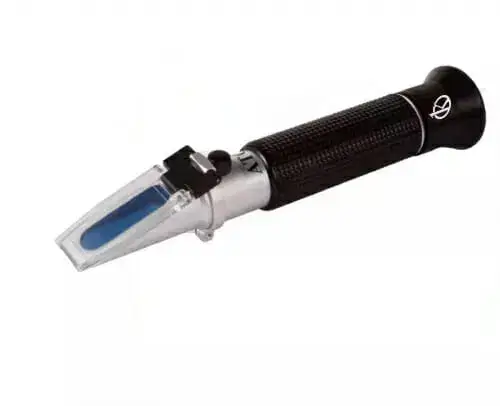
Beer Refractometers: Best Techniques and Protocols in 2026
What is it used for in 2026
In 2026, Beer Refractometers are essential tools in brewing laboratories for measuring the sugar content in wort. These devices provide quick and accurate readings of specific gravity, helping brewers monitor fermentation processes effectively. The refractometer's ability to deliver real-time data allows for adjustments in brewing recipes, ensuring consistent product quality.
History and evolution of the technology
The refractometer was first developed in the 19th century, primarily for measuring the refractive index of liquids. Over the decades, advancements in optical technology led to the development of hand-held Beer Refractometers, specifically designed for brewers. Today's models offer automatic temperature compensation (ATC) and enhanced precision, making them indispensable in modern brewing processes.
How to use it step by step
Using a Beer Refractometer involves the following steps:
- Prepare the Sample: Collect a small amount of wort, ideally during the boiling process or after cooling.
- Place the Sample: Open the refractometer cover and place a few drops of the wort on the prism.
- Close the Cover: Gently close the cover to spread the sample evenly over the prism surface.
- Read the Scale: Point the refractometer towards a light source and look through the eyepiece to obtain the Brix reading.
- Record the Data: Note the Brix value and use it to calculate the specific gravity if necessary.
Best techniques and protocols
To achieve the most reliable results with Beer Refractometers:
- Ensure that the device is calibrated before use.
- Use clean samples to avoid contamination.
- Take readings at stable temperatures to maximize accuracy.
- Document readings regularly to track fermentation progress.
- Follow the manufacturer’s guidelines for maintenance and calibration.
Practical applications by laboratory type
Different laboratory types employ Beer Refractometers according to their specific needs:
- Research Laboratories: Used for precise measurements during experimental brewing.
- Quality Control Labs: Essential for verifying the consistency and quality of beer products.
- Educational Institutions: Utilized in brewing courses to teach students about fermentation science.
Regulations, standards and certifications
Beer Refractometers must comply with industry standards to ensure accuracy and reliability. Compliance with ISO standards and local regulatory requirements is critical for laboratories to maintain quality assurance in their brewing processes.
Comparison with alternative technologies
While hydrometers are traditional tools for measuring specific gravity, Beer Refractometers offer several advantages:
- Sample Size: Refractometers require a smaller sample volume.
- Real-Time Readings: Provide immediate results without needing temperature adjustments.
- Ease of Use: Hand-held models are portable and easy to manipulate.
Comparison of available models
| Model | Best for | Key specs | Recommended use case |
|---|---|---|---|
| YR05939 | Quick gravity checks | 0-32% Brix, SG: 1.000-1.120, ±0.2% Brix | Rapid checks during fermentation |
| YR05940 | Instant readings during boiling | 0-32% Brix, SG: 1.000-1.120, ±0.2% Brix | Monitoring during the wort boiling process |
| YR05941 | Small sample analysis | 0-32% Brix, SG: 1.000-1.120, ±0.2% Brix | Precise analysis in small batches |
| YR05942 | Frequent quality control | 0-32% Brix, SG: 1.000-1.120, ±0.2% Brix | Routine checks in production |
| YR05943 | General brewing use | 0-32% Brix, SG: 1.000-1.120, ±0.2% Brix | Versatile for various brewing stages |
Common mistakes and how to avoid them
Common errors when using Beer Refractometers include:
- Improper Calibration: Always calibrate your device before use to ensure accuracy.
- Not Cleaning the Prism: Residue from previous samples can lead to incorrect readings.
- Ignoring Temperature: Although ATC helps, it's best practice to use samples within recommended temperature ranges.
Maintenance, calibration and good practices 2026
For optimal performance of Beer Refractometers, follow these guidelines:
- Clean the prism with a soft, lint-free cloth after each use.
- Calibrate regularly using distilled water or standard solutions.
- Store the device in a protective case to prevent damage.
Cost-benefit analysis 2026
The investment in Beer Refractometers is justified by their efficiency and accuracy. Compared to hydrometers, they save time and reduce waste by requiring smaller samples. When assessing cost, consider the long-term benefits of higher quality control and improved brewing outcomes.
Frequently asked questions
How do I choose the right Beer Refractometer for my needs?
When selecting a Beer Refractometer, consider your primary use case, the necessary measurement range, and whether you need automatic temperature compensation. Evaluate the models available to find the best fit for your brewing processes.
Can I use a Beer Refractometer for other liquids besides wort?
Beer Refractometers are specifically calibrated for sugar solutions. Using them for other liquids may yield inaccurate readings due to differing refractive indices.
What is the significance of temperature compensation in refractometers?
Automatic Temperature Compensation (ATC) ensures accurate readings across a range of temperatures, essential for maintaining precision during the brewing process where temperature can vary significantly.
How often should I calibrate my Beer Refractometer?
It is advisable to calibrate your Beer Refractometer before each use or at least once a day of use, especially if it has been exposed to varying temperatures or conditions.
What are the common errors in reading a Beer Refractometer?
Common errors include not aligning the light source properly, reading at an incorrect angle, and failing to clean the prism, leading to residue contamination.
Can I use Beer Refractometers in home brewing?
Yes, Beer Refractometers are excellent tools for home brewers, offering a simple way to monitor sugar levels and specific gravity throughout the brewing process.
Where can I get a quote for a Beer Refractometer?
For competitive pricing and options on Beer Refractometers, you can request a quote through our dedicated channels to ensure you find the best solution for your laboratory.
If you are looking for a fusion of innovation and quality, you have come to the right place. At Kalstein, we offer you the luxury of exploring our exclusive catalog of laboratory equipment. We manufacture every device to the highest standards of excellence. Our intuitive and seamless online purchasing channels are designed for your convenience, securing the most competitive prices. Hesitate no longer — we bring science to life, it is time to become part of our community.