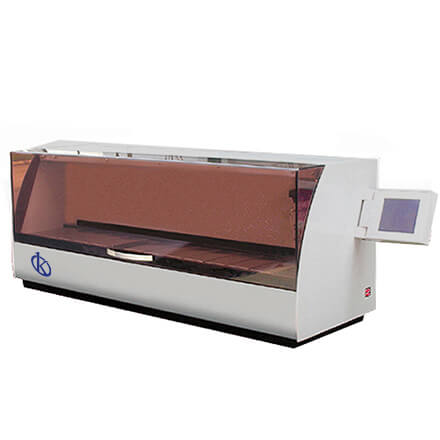
Automatic Slide Stainers: Practical Applications and Techniques 2026
What is it used for in 2026
Automatic slide stainers are essential in modern laboratories for preparing histological slides for microscopic examination. In 2026, their primary functions include enhancing the efficiency of staining processes, improving consistency in results, and ensuring the reproducibility of staining techniques. These machines automate the application of dyes and stains, allowing for high-throughput processing of slides in clinical, research, and hospital laboratories. This automation minimizes human error, ensures optimal staining protocols, and reduces turnaround times for histopathological assessments.
History and evolution of the technology
The development of automatic slide stainers can be traced back to the early 20th century, when manual staining processes were labor-intensive and time-consuming. Over the decades, technological advancements led to the introduction of semi-automated systems, which gradually evolved into fully automated machines. The integration of microprocessors and touchscreen interfaces in the late 20th century revolutionized slide staining by enhancing user control and precision. Today, automatic slide stainers are equipped with advanced features like multiple staining protocols, customizable settings, and quality control mechanisms, marking a significant leap in laboratory efficiency and accuracy.
How to use it step by step
Using an automatic slide stainer involves several key steps:
- Preparation: Ensure that all necessary reagents and stains are available. Check that the stainer is clean and functioning properly.
- Loading slides: Place the slides into the designated holders or racks, ensuring they are secured properly.
- Setting up the protocol: Select the staining protocol on the touchscreen interface, or create a custom program if necessary.
- Running the machine: Start the staining process. Monitor the operation to ensure it runs smoothly.
- Quality control: Once the staining is complete, review the slides for quality and consistency.
- Cleaning: After completion, clean the machine according to the manufacturer’s instructions to maintain optimal performance.
Best techniques and protocols
Best practices for using automatic slide stainers include:
- Utilizing standardized staining protocols to ensure consistent results.
- Regularly calibrating the machine to maintain accuracy in temperature and timing.
- Implementing quality control measures, such as running control slides alongside test samples.
- Training personnel on proper operation and troubleshooting techniques to prevent issues.
- Maintaining a log of reagent usage and machine performance for future reference.
Practical applications by laboratory type
Automatic slide stainers find diverse applications across various laboratory settings:
- Clinical Laboratories: Used for preparing slides for cytology and histology examinations.
- Research Laboratories: Applied in studies involving tissue samples and biomarker identification.
- Pathology Departments: Essential for routine tissue diagnosis and cancer pathology.
- Educational Institutions: Utilized in teaching histology and pathology techniques.
Regulations, standards and certifications
In 2026, automatic slide stainers must comply with various regulations and standards, including:
- ISO 13485 for medical device quality management systems.
- IEC 60601 for safety and performance standards of electrical medical equipment.
- Local regulatory requirements for laboratory equipment to ensure safety and efficacy.
Comparison with alternative technologies
While automatic slide stainers offer numerous benefits, alternative technologies such as manual staining and semi-automated systems are still in use:
- Manual Staining: More labor-intensive and time-consuming, but allows for flexibility and customization.
- Semi-Automated Systems: Provide some level of automation but require more manual intervention compared to fully automated models.
Comparison of available models
| Model | Best for | Key specs | Recommended use case |
|---|---|---|---|
| YR435 | High-throughput staining | Processing cups: 14, Capacity: 72 slides, Dimensions: 1180 × 420 × 470 mm | Ideal for large clinical laboratories needing efficient slide processing. |
| YR435-1 | Versatile staining options | Staining capacity: 400 slides/hour, Dimensions: 1050 × 615 × 590 mm | Best for laboratories requiring simultaneous staining for various protocols. |
| YR436-1 | Compact and efficient | Tanks: 15, Capacity: ~350ml per tank, Dimensions: 925 × 250 × 260 mm | Suitable for smaller labs that need reliable staining without extensive space. |
Common mistakes and how to avoid them
Some common mistakes made with automatic slide stainers include:
- Improper reagent preparation, which can lead to inconsistent staining. Always follow manufacturer guidelines for reagent concentration.
- Overloading the machine with slides, which may result in uneven staining. Adhere to the recommended slide capacity.
- Neglecting routine maintenance, causing performance issues. Schedule regular maintenance checks as per the user manual.
- Failing to monitor the staining process can overlook potential problems. Ensure constant oversight during operation.
Maintenance, calibration and good practices 2026
To ensure optimal performance of automatic slide stainers in 2026:
- Perform daily cleaning of the staining chamber and replace any used reagents promptly.
- Calibrate the machine monthly, or as recommended by the manufacturer, to maintain accuracy.
- Keep detailed logs of maintenance activities and slide staining results for continuous improvement.
- Train staff regularly on best practices for operating and maintaining the equipment.
Cost-benefit analysis 2026
Investing in an automatic slide stainer can offer significant cost benefits:
- Increased efficiency allows for a higher volume of slides to be processed in a shorter time, reducing labor costs.
- Improved staining consistency enhances diagnostic accuracy, leading to fewer repeat tests and associated costs.
- Long-term savings on reagents due to optimized usage and reduced waste.
- Initial costs are offset by the potential for higher throughput and better quality results.
Frequently asked questions
What should I consider when choosing an automatic slide stainer?
When selecting an automatic slide stainer, consider factors such as the volume of slides you process, the types of stains you use, available space, and your budget. Evaluate the features that best align with your laboratory's workflow.
How can I ensure the quality of stained slides?
To guarantee high-quality stained slides, implement routine quality control checks and calibrate your slide stainer regularly. Ensure reagents are fresh and used within their shelf life.
Can I customize staining protocols on my machine?
Most modern automatic slide stainers allow for customizable staining protocols. Familiarize yourself with the user interface to create and save specific protocols that meet your laboratory needs.
What maintenance is required for automatic slide stainers?
Routine maintenance includes daily cleaning of the staining chamber, regular calibration, and timely replacement of used reagents. Check the manufacturer’s guidelines for specific maintenance schedules.
Are automatic slide stainers cost-effective for small labs?
Yes, automatic slide stainers can be cost-effective for small laboratories by increasing throughput and reducing labor costs. They also minimize staining errors, contributing to overall cost savings in the long run.
How does automation improve laboratory efficiency?
Automation enhances efficiency by reducing the time spent on manual staining processes, minimizing human error, and allowing for simultaneous processing of multiple slides. This leads to faster turnaround times for diagnostic results.
Where can I request a quote for a slide stainer?
You can request a quote directly through our platform for an automatic slide stainer that fits your laboratory's needs.
If you are looking for a fusion of innovation and quality, you have come to the right place. At Kalstein, we offer you the luxury of exploring our exclusive catalog of laboratory equipment. We manufacture every device to the highest standards of excellence. Our intuitive and seamless online purchasing channels are designed for your convenience, securing the most competitive prices. Hesitate no longer — we bring science to life, it is time to become part of our community.