
What are the differences between laminar flow hoods and type I biosafety booths
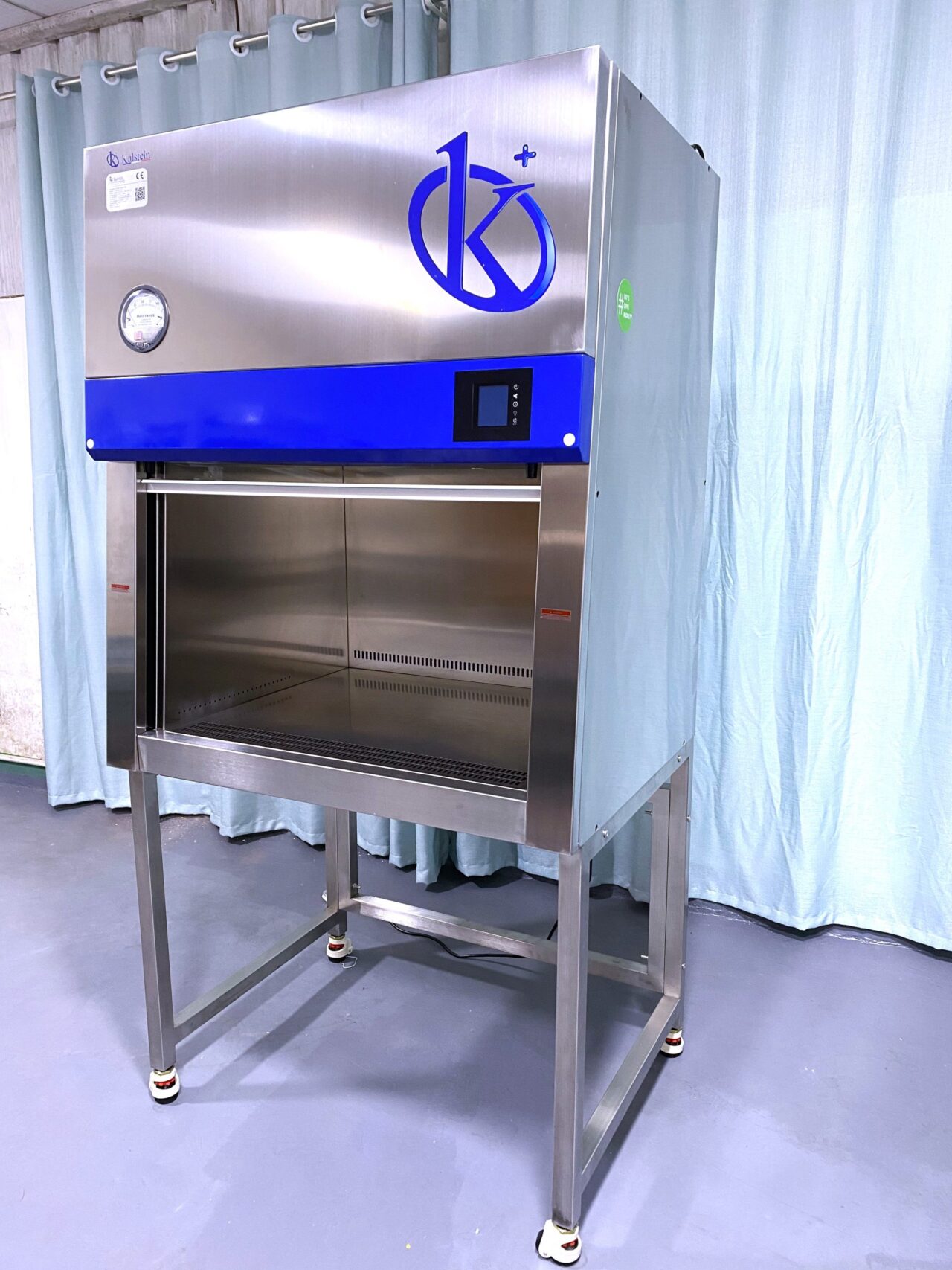
A laminar flow hood is equipment used in laboratories in order to provide a pollution-free environment, as it offers a sterile and safe area within the laboratory, and any activity that is required safely can be carried out within it. The laminar flow hoods have a HEPA filter, which is responsible for filtering the air and maintaining the air flow.
Biological safety bells: what types of laboratories are used in?
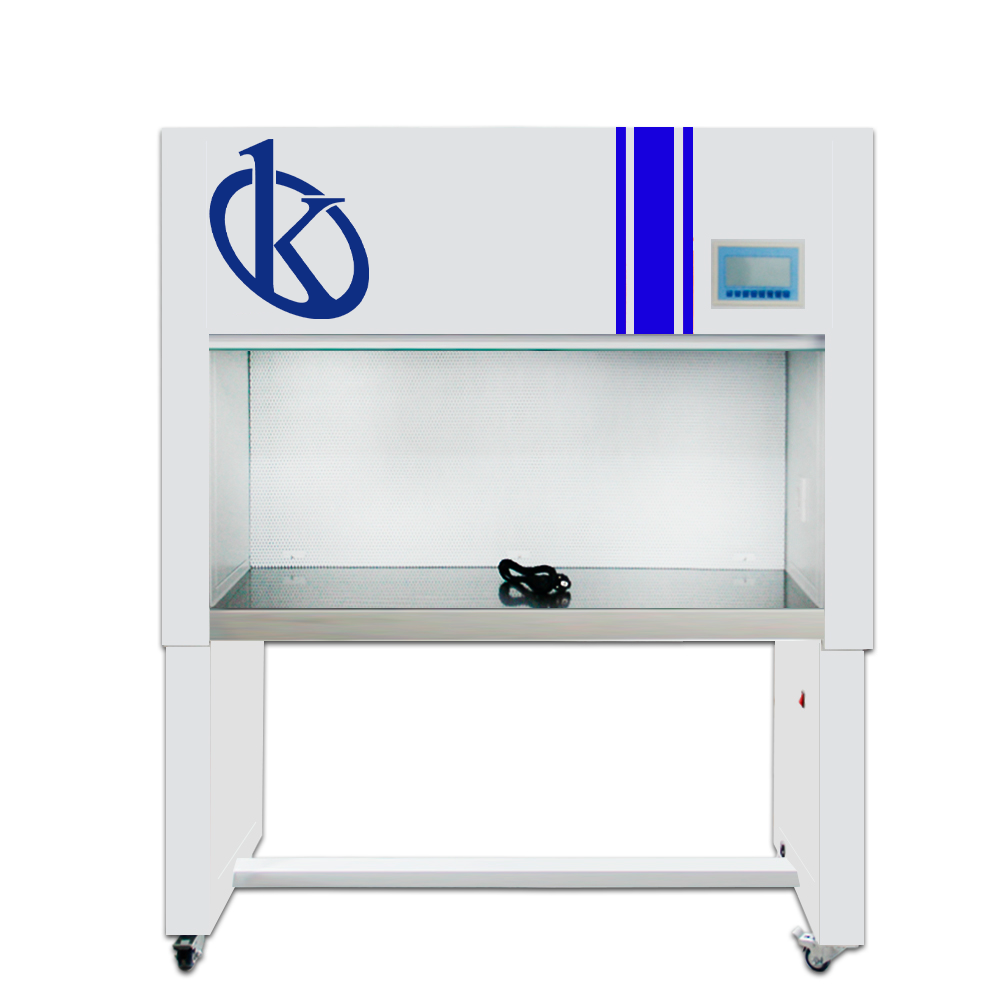
Biological safety bells are equipment that provide protection for the operator against infectious agents. Their designs are vertical and horizontal, used in microbiology laboratories, which prevents the exit of bioaerosols from the work area.
Horizontal laminar flow bell: What is your application?
A laminar flow bell is a laboratory equipment used to obtain a pollution-free environment, as it provides a sterile and safe area within the laboratory, and any activity that is required safely can be carried out there.
Laminar Flow Bells, Why are they used?
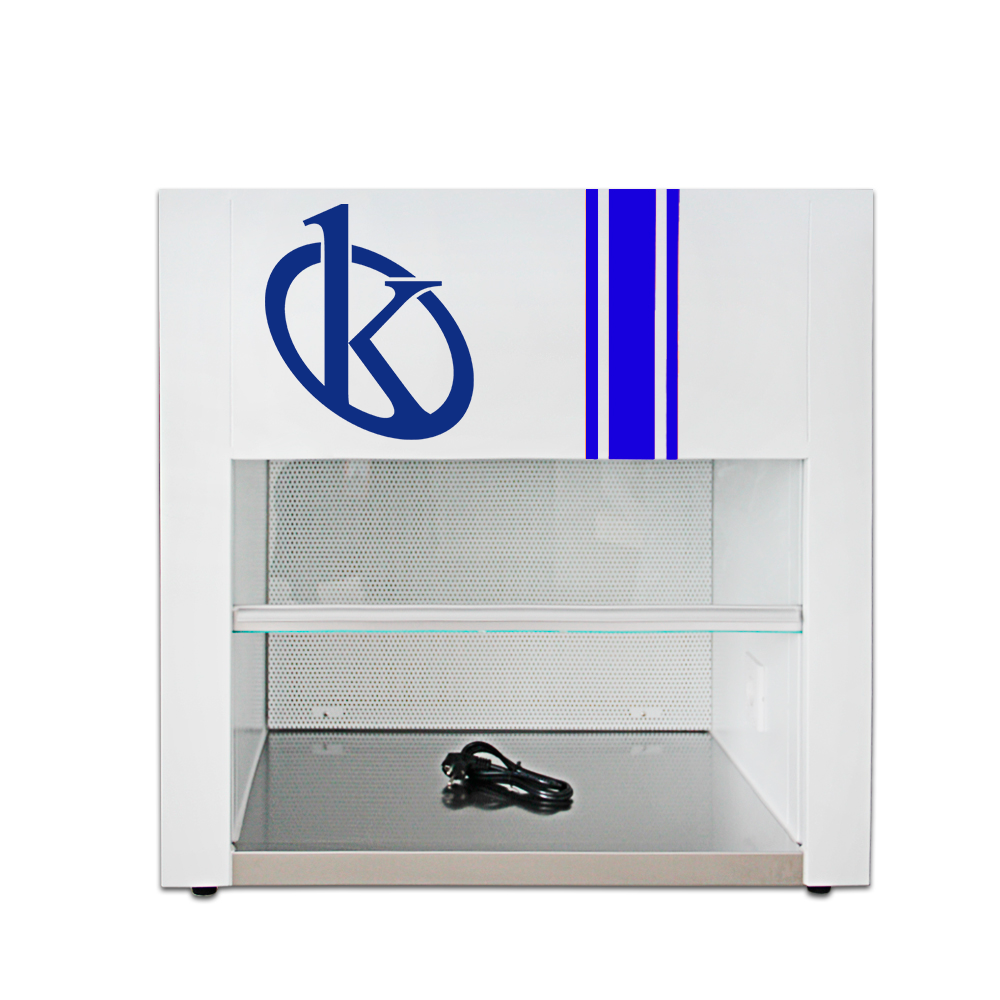
A laminar flow bell is a laboratory instrument that is used to obtain a free environment of contamination, to the general a sterile and secure area within the laboratory, being able to carry out any activity that is required safely. This equipment provides decontaminated air in the work area, ie provides a space with a specific air treatment, which provides an area with strict non-road particle control.
Horizontal laminar flow hood

Horizontal laminar flow hoods are those in which the HEPA filter is placed at the rear of the cabin, so the unidirectional air flow moves through horizontal parallel lines, that is, from the rear of the equipment. towards the operator. They are workstations with a built-in air filtration system used for a variety of applications.
Biosafety cabinet for PCR and Covid
A biosafety cabinet for polymerase chain reaction (PCR) work is laboratory equipment that confers a work area enclosed on three sides, and that provides the controlled space necessary to perform DNA and RNA amplification. These work cabinets, used in molecular biology laboratories, avoid cross contamination between samples, as well as damage to the operator and the laboratory environment.
Oil baths: What is your role in the laboratory?

An oil bath is a thermostatic equipment used in chemical research laboratories to transfer heat indirectly, by thermal convection, to a sample that requires analysis. Thanks to these equipments, the heat transfer is carried out in a uniform way to the sample.
Why is a water bath essential in a laboratory?
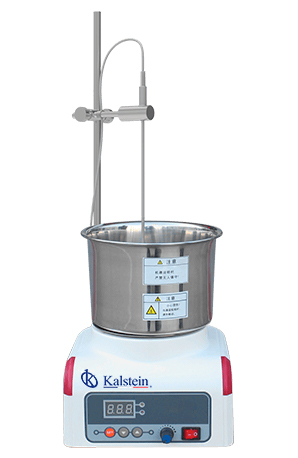
This equipment has varied and indispensable applications in the laboratories, thanks to its hot water container, where samples are incubated in water at a continuous temperature over a long period of time, among other useful applications is heating reagents, fusion of substrates or incubation of cell cultures; because of its high temperatures it allows certain chemical reactions to occur, and heat flammable chemicals instead of an open flame to prevent ignition.
How old can I use the Baby Scale?

The scales are used to measure the weight of the baby without any inconvenience, able to support between 0g and 20kg, making it an ideal tool for parents and the pediatrician. Thanks to its design, it facilitates the placement of both the equipment and the baby, so it can be used at any time, without any worry and with enough precision.