
Using the Ice Maker to Transport Medicine
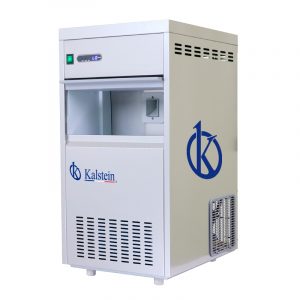
Appropriate handling of drugs, especially the cold chain, should be ensured and documented according to pharmacy regulations for drugs and substances that are thermolabile. This usually involves a cost, a lot of time and energy.
Uses in a laboratory of the “Ice Maker”
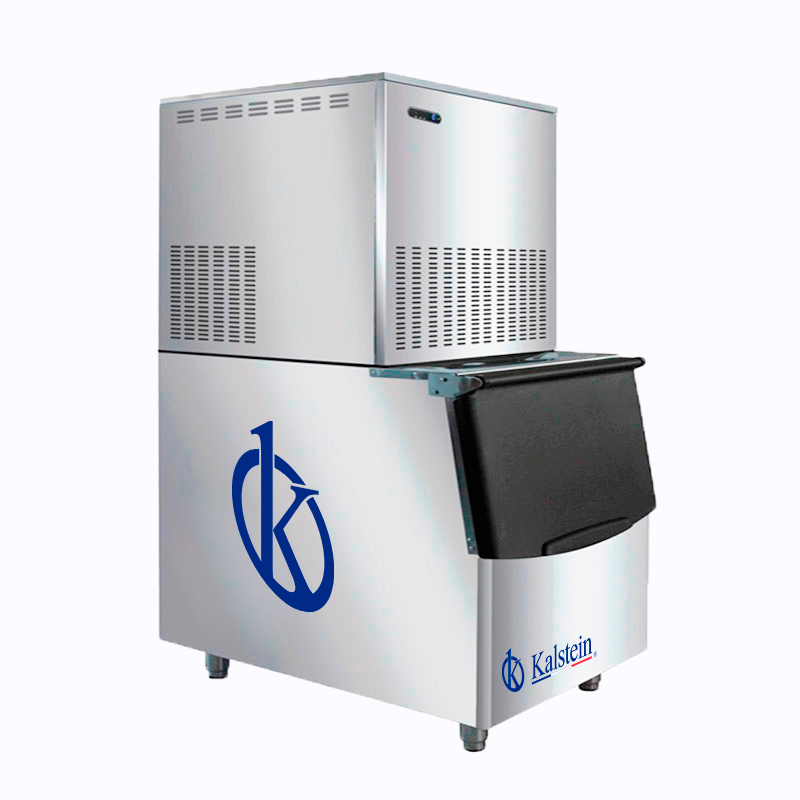
An ice maker is a machine for making ice. This machine produces the ice from moving water, the difference from the traditional method of making ice, where the water is frozen. This principle results in the air being removed, as well as the suspended solids.
Technical Recommendations for the Maintenance of an Ice Maker

The ice maker is a critical team in health centers and laboratories worldwide. It turns out to be a great ally for healthcare use. Hospitals, laboratories, and research centers generally must have ice-making equipment to preserve samples that must be kept at cold temperatures. For example, in trauma or physiotherapy units, they use ice as a method to deflame; they are also used to store organs when they require emergency transfer, and allow organ storage to reach their destination in perfect condition.
Why is a flake ice maker important in a lab?
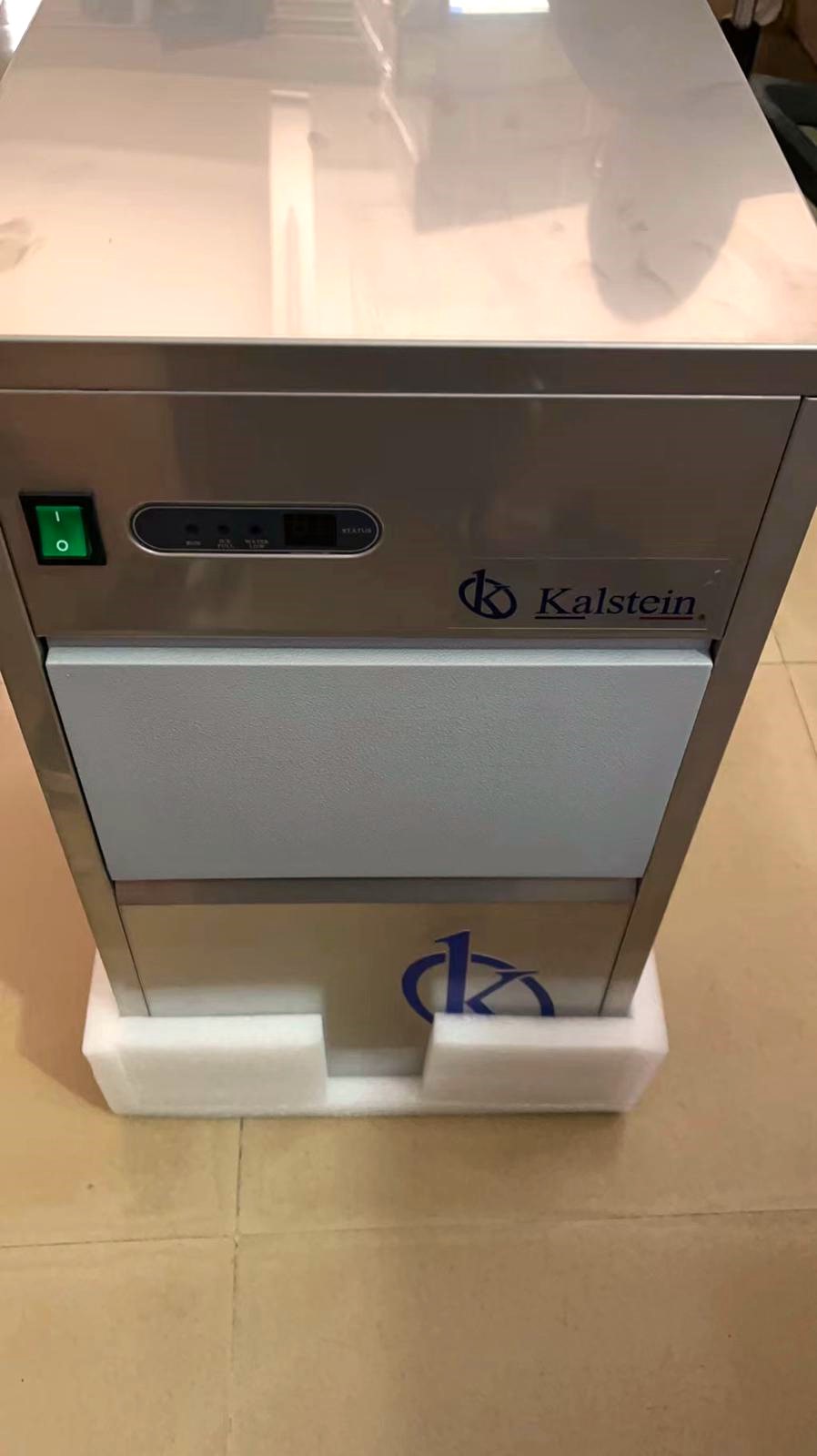
The importance of this type of ice is in its wide variety of uses due to its practicality and versatility, it is a dry ice and subcooled commonly in very small fragments, it has a presentation in very thin layers of two to three millimeters thick, this depends on the equipment manufacturer, in our case in kalstein we offer you a completely computer controlled ice making process, using imported computer chips for reliable control and easy operation.
Importance of a drying oven in a laboratory

Currently there are many types of laboratory equipment and instruments, but one of the most common and important are drying ovens. A drying oven is an instrument used to dry glass and metal containers. Depending on the mode of operation, there are basically two types of stove: those that operate by natural convection and those that operate by forced convection.
Laboratory stoves and muffles: What are the differences and applications?

It is an essential equipment in laboratories and is also known as drying oven; is used for drying and sterilizing glass and metal containers; now, the muffle is also an oven, but usually intended for cooking ceramic materials and for smelting metals through thermal energy., in KASLTEIN we have the different models of stoves and muffles to avoid confusion, you should follow the link HERE
Stoves: dry heat sterilization

Hot air is one of the most widely used dry heat sterilization methods. This process is carried out in stoves, which allow the uniform distribution of heat inside, where the material is exposed to temperatures of approximately 170ºC for 2 hours.
Drying ovens or ovens: Are they sterilizers?
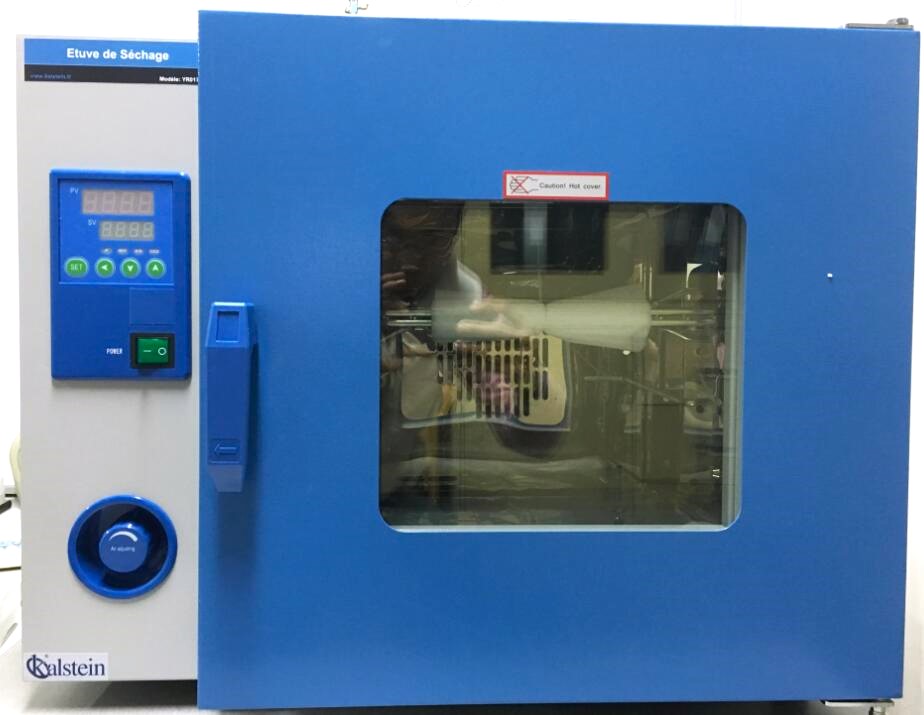
The stove or also called drying oven is a piece of equipment used to dry and sterilize glass and metal containers. It achieves this, thanks to the fact that inside the temperature is higher than in the environment. According to its mode of operation, there are basically two types of stove: those that operate by natural convection and those that operate by forced convection.
What are the differences between Drying Ovens, Muffle Ovens and Laboratory Incubators?

Within the laboratory and industrial sectors, there is a wide variety of furnaces of different types, which adapt to the applications they require, and their uses will depend on the maximum temperature at which they wish to work.
Laboratory Muffle Furnaces: When are they used?

Muffle furnaces are used as a laboratory instrument to dry and sterilize glass and metal containers from high temperatures for various purposes, such as heat treatment, calcination tests, incineration of organic and inorganic samples and cooking of ceramic materials, among others. It is a very versatile and useful equipment in the industry. This furnace, are used when it is required to reach temperatures higher than 200 °C, in which inside the muffle furnace, only refractory laboratory materials can be used.