
Electrophoresis Power Sources: How does it work?

A power source for electrophoresis is the source that manages constant and direct current to the electrophoresis system, as well as indicates and allows us to control both the supply voltage and the current consumption. In other words, this device provides the necessary energy for this system to function properly; and this important laboratory technique can be carried out.
Electrophoresis chamber power source: How does it work?
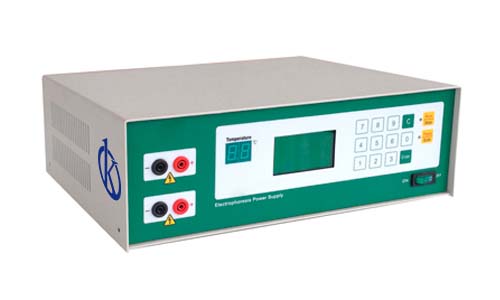
The power source for electrophoresis chambers is the source in charge of providing electricity to the electrophoresis system that is being used, in other words, it provides the necessary energy for this system to function properly; reason for which it is considered an essential element to carry out the electrophoresis technique.
Electrophoresis Run Power Sources

Electrophoresis in agarose or polyacrylamide gels is one of the methodologies most used in the laboratory in everything related to working with nucleic acids. The principle of electrophoresis consists in the migration of the molecules through a gel or another type of matrix of porous nature, in which, by the action of an electric field, they will be separated according to their size or molecular weight, this is achieved thanks to the action of a power source for electrophoresis, key equipment for the proper execution of this technique.
How is neonatal hyperbilirubinemia treated?

The phototherapy units are medical equipment that expose fluorescent light for the treatment of hyperbilirubinemia in neonates, which are reflected in the color of their eyes, skin and mucous membranes, which causes that yellowish color, because of the elevation of bilirubin in the blood…
Is a power supply important for an electrophoresis camera?

A power supply for electrophoresis chambers is a device used to generate the electrical current that allows to feed the separations of DNA/RNA, PAGE electrophoresis and membrane transfer. Note that the voltage determines the extent of the function, for example, 300V is strong enough to make the gels work, while 250V is needed to make transfers. This equipment acts as a transformer, rectifier and regulator in its output, to avoid voltage spikes that damage the system.
What is neonatal hyperbilirubinemia?

Neonatal hyperbilirubinemia is a clinical condition characterized by elevated serum bilirubin levels, and manifests as yellowing of the skin and mucous membranes known as jaundice, a condition that reflects a temporary imbalance between the production and elimination of bilirubin…
Phototherapy Units for Dermatological Diseases

Phototherapy is a therapeutic measure in which light is used, specifically ultraviolet light (UV) because UV radiation has anti-inflammatory action, for the treatment of dermatological inflammatory and neoplastic skin diseases. The use of phototherapy dates from the early twentieth century and from there have…
How does an infant bilirubin phototherapy unit work?
An infant bilirubin phototherapy unit is medical equipment generally made up of 4 blue light tubes and 2 white light tubes, and a cover or shield that protects the newborn in case of tube breakage and ultraviolet light….
Use of Blue Light Phototherapy in the Neonatal Intensive Care Unit

Phototherapy with blue light is a medical treatment used to treat jaundice in newborns. This is a condition in which bilirubin, a yellow substance produced naturally in the body, builds up in the blood and results in a yellowish shade of the skin and the whites of the eyes. Phototherapy is used to lower…
How low does bilirubin go in phototherapy?

Neonatal hyperbilirubinemia is a clinical condition characterized by a serum bilirubin concentration greater than 1.5 mg; according to the cause of this increase the treatments are determined; phototherapy is one of the most used measures to treat jaundice in newborns…