
ELISA microplate reader: When do we need to use it?
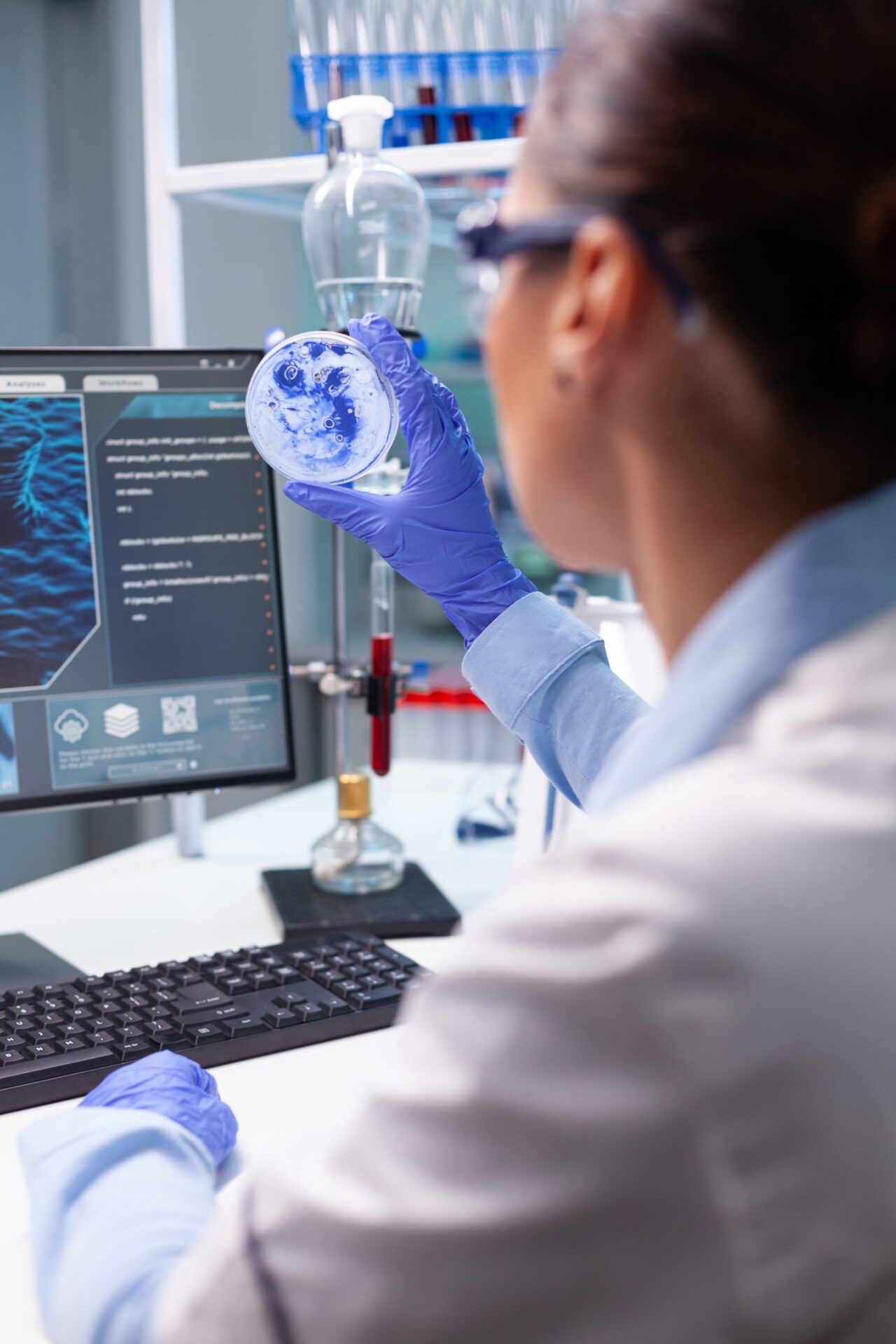
An ELISA microplate reader is a spectrophotometer designed to read the results obtained from the ELISA, this technique is used in laboratories to determine the presence of specific antibodies or antigens in samples. The technique is based on the detection of an antigen or antibodies captured on a solid surface using direct or secondary, labeled antibodies, which produce a reaction whose product can be read by the spectrophotometer.
What technology does an ELISA microplate reader use?
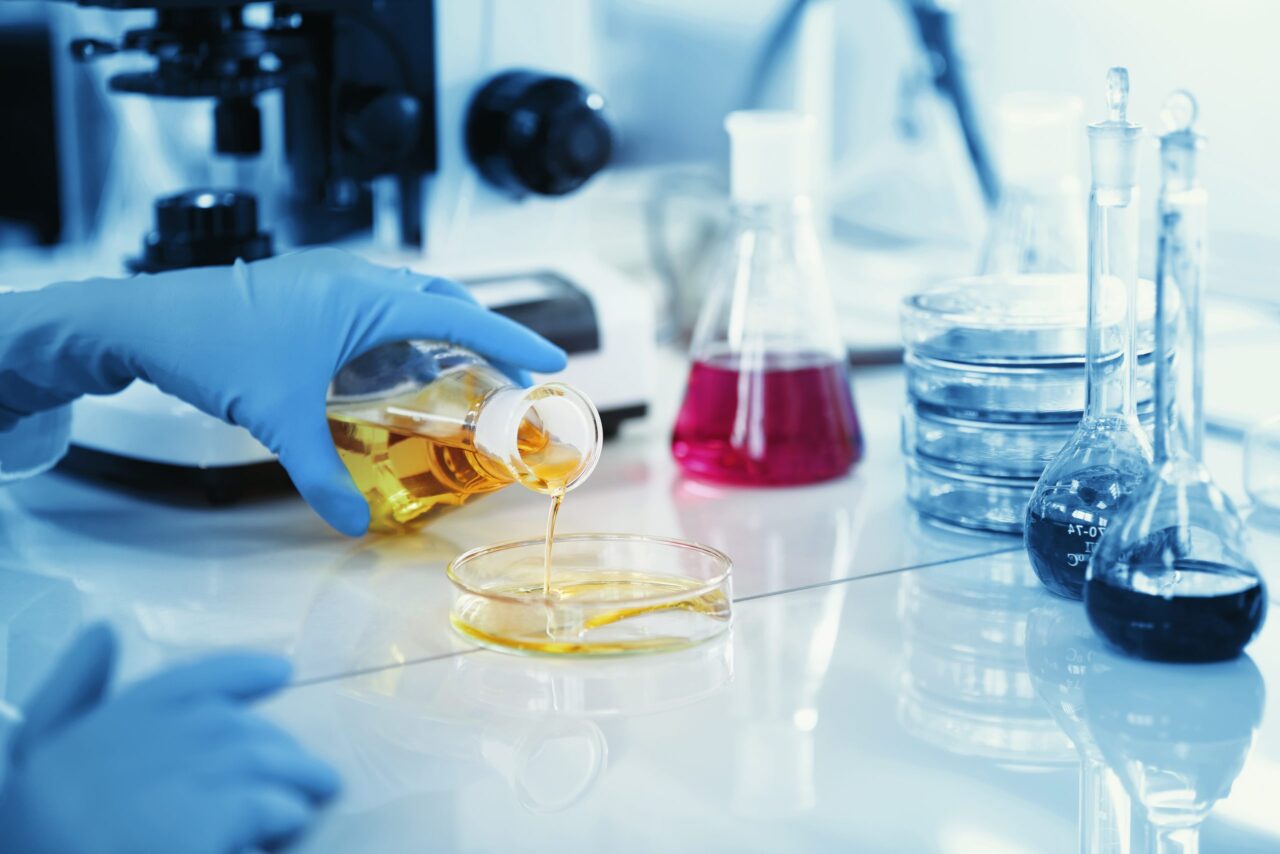
An ELISA microplate reader is a laboratory instrument that is responsible for detecting and processing biological and chemical data by absorbance (ELISA, enzymatic activity and quantification of nucleic acids and proteins), luminescence and fluorescence detection modes, including intensity, TRF and polarization according to the model. They are useful laboratory tools used in drug discovery, research, immunologic testing, hormone detection, bioassay validation, and biopharmaceutical manufacturing.
Using the Microplate Reader for HIV Testing

A microplate reader is a device that involves different modes of activity and is widely used in the area of research and medicine for the detection of chemical, biological or physical abnormalities of a sample. This instrument allows to perform a wide variety of experiments simultaneously, among its main functions are, to make measurements of fluorescence, absorbance and luminescence. The ELISA technique requires a microplate reader to detect and diagnose diseases such as hepatitis B, cancer, Covid-19, and HIV, among others.
Microplate Reader Benefits for Hepatitis B Screening
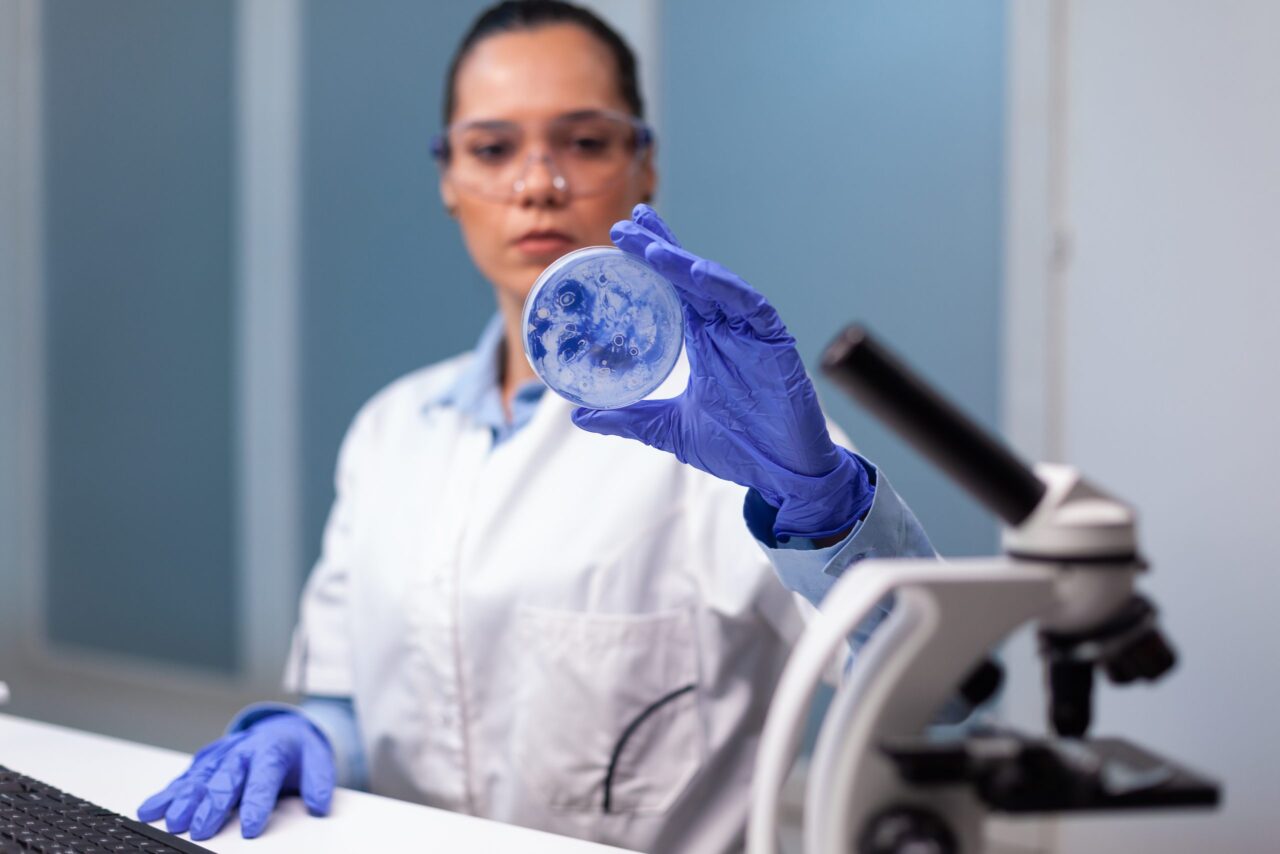
The Microplate reader is a device designed to perform diagnostic tests applied to the detection of infectious diseases that pose a threat to the individual, or to require treatments with epidemiological monitoring. This equipment is highly functional through the practice of ELISA, being one of the most reliable tests that are carried out in the laboratories.
Diagnosis of Cancer in Women with the Microplate Reader
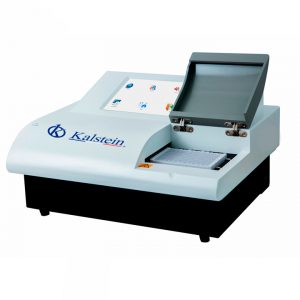
The microplate reader is a laboratory equipment developed for the quantification of proteins and nucleic acids through cell images. It is based on filtration of proteins deposited in wells of a plastic plate adjusted to aid in absorption and bind antibodies.
Microplate Washer to Determine Lichen Planus

Lichen planus is a benign disease with clinical and histopathological findings. It has a clear result on epithelial transition and immune cell function. And it is detected with assays such as indirect immunoflorescence Elisa that is detected with circulating antibodies in the serum that bind to collagen domains.
Importance of Microplate Washer for Chlamydia Diagnosis
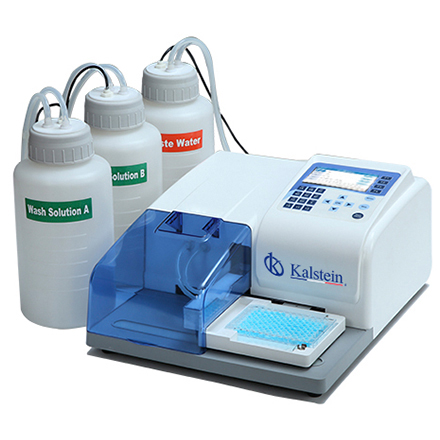
The microplate washer is a laboratory tool designed to clean the plates that are used to carry out tests of Elisa, in which it is responsible for measuring the parameters depending on each wash and store permanently in the memory of the equipment so that they are selected through the digital keyboard that has integrated the equipment. Thus, the microplate washer performs the cleaning of 96 wells and provides facilities for the classification of measures in compliance with the particular requirements of each wash.
Benefits of Microplate Washer to Detect Ebola Virus

The microplate washer is a laboratory equipment designed to comply with practical methods where various processes are used where substances, nutrients or washing solutions are extended to each well and then removed. In order to achieve greater reliability and accuracy of the results, it is essential to empty the wells and wash them with a solution repeatedly to remove any residue.
Using the Microplate Washing Machine for COVID-19 determination

The microplate washer is laboratory equipment designed to clean the wells of the plate containing study samples. It is an autonomous tool used in biochemistry tests, which eliminates all kinds of waste and reagents that did not react. For the science practices for 96 or 384 wells are angle probe to access subtle flushing of cell types with easy adherence.
Is an Elisa Microplate Washer Important?
The importance of the Elisa technique, has to do with the detection of diseases until quantification by immunoabsorption assays that linked to enzymes, detect color changes, and allow the measurement of antigen in the sample, using spectrophotometry.