
Turbidity Control in Water Treatment
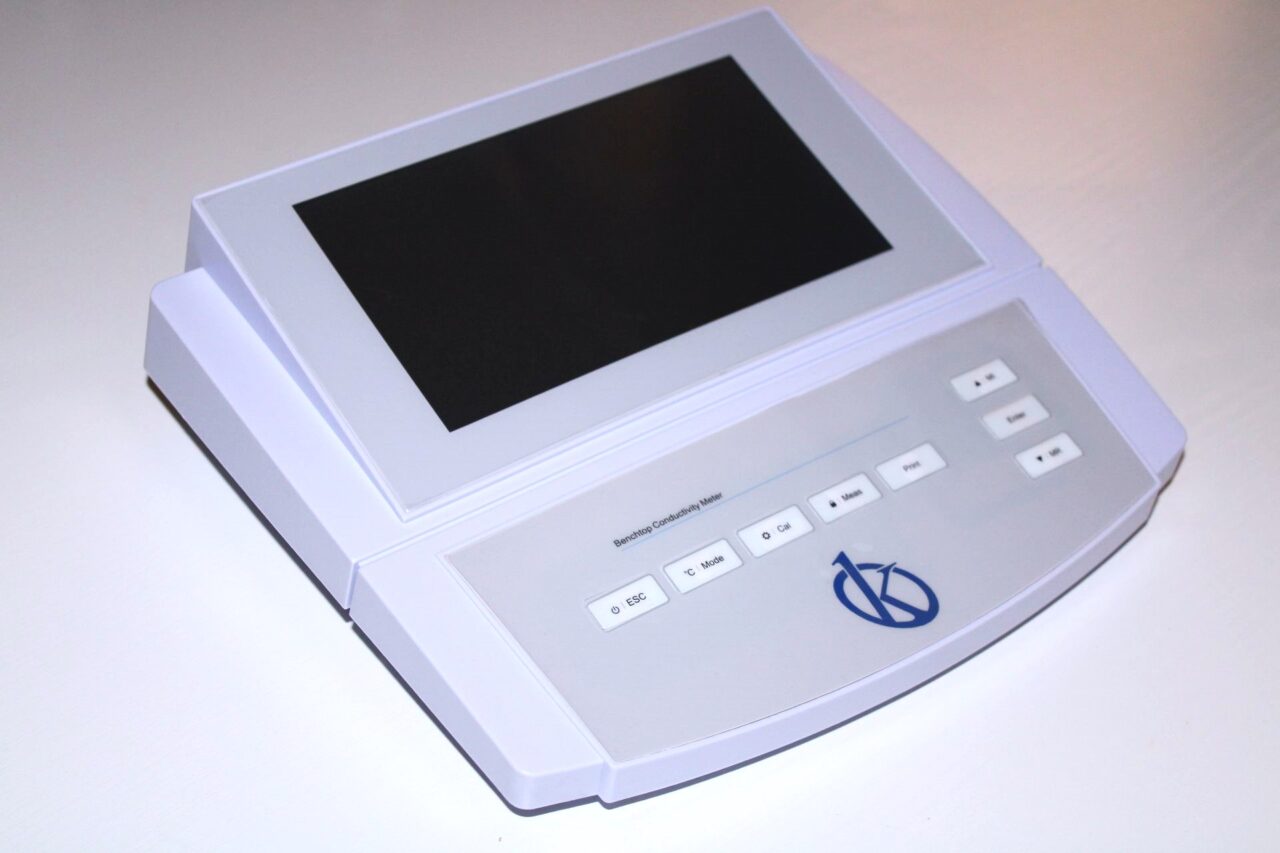
Turbidity meters are commonly used as part of water quality inspection to determine water resource protection, as well as to verify compliance with industry standards or appropriate water quality standards. In addition, turbidity meters are used to investigate possible harmful effects on water, such as oil spills, fertilizers or crop fertilizers.
Laboratory Turbidimeter: What are the different types that exist?
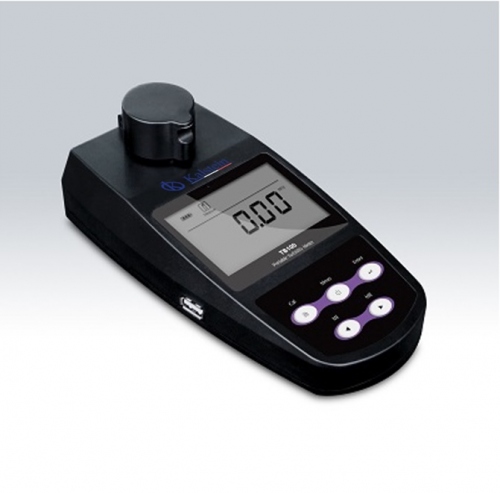
These devices allow us to measure the turbidity of water, being turbidity an indicator of water quality, once the turbidity level is established the appropriate treatment to transform it into quality water such as coagulation, filtration and decantation; turbidimeters are designed to measure water quality, these instruments provide reliable and accurate readings, even in those cases where turbidity is within the lowest parameters.
Turbidity Meter: What does it measure?
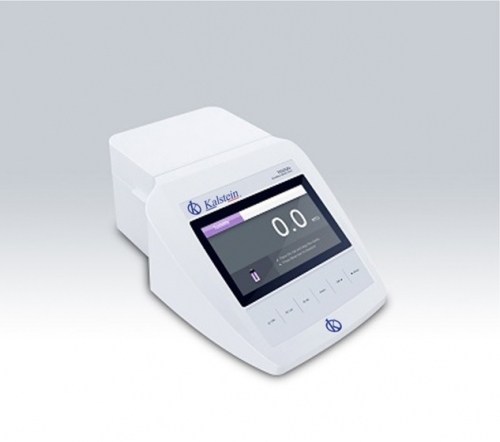
To know the degree to which water loses its transparency, it is necessary and indispensable in the quality of drinking water; for the measurement of turbidity the use of a beam of light is required, this is known as the incident light beam, with defined characteristics, to be able to determine the semi-quantitative presence of particulate matter present in the water or any sample of fluids.
The ion meters: what are they used for?

An ion meter is a device used in laboratories and industries to measure the concentration of ions in a solution, by using ion electrodes (ISE) thanks to its electrochemical activity. An ion selective electrode (ISE) is a kind of sensor that allows ion testing in various types of samples. The process that these electrodes work with is ion exchange, which measures the potential difference that is produced by the contact of the electrode with the ion being determined.
Food Analysis Using the Potassium Ion Meter
The potassium meter is a portable, safe and easy-to-use device. This device is essential for laboratory professionals and field technicians. This tool allows food quality records and provides a quick estimate of potassium concentration in foods from many applications.
What are the characteristics of an ion meter?
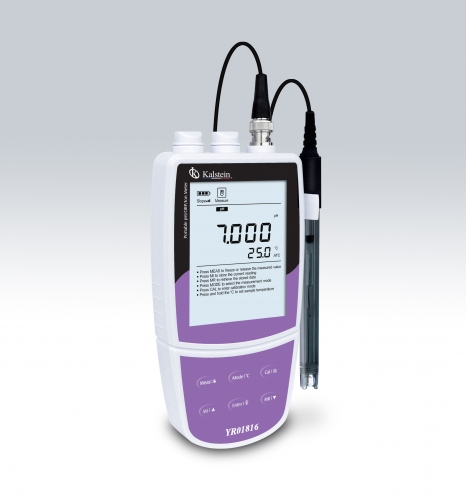
An ion meter is an electrochemical analytical device that is used to measure ion concentration in a solution. It is used with several ion electrodes (ISE).
How does a laboratory ion meter work?
An ion meter is an analytical and electrochemical instrument used to measure the concentration of ions in a solution, using ion electrodes (ISE).
A selective ion electrode is a kind of sensor that allows to test ions in various types of samples, whether environmental, pharmaceutical, biotechnological, food, agricultural, industrial, drinking water, wastewater among others. The most commonly tested ions include ammonia, nitrate, chloride, fluoride, calcium, sodium, potassium, silver, iodide, sulfide, lead, bromine, cadmium, copper and others.
Copper Ion Meters for Pool Disinfection
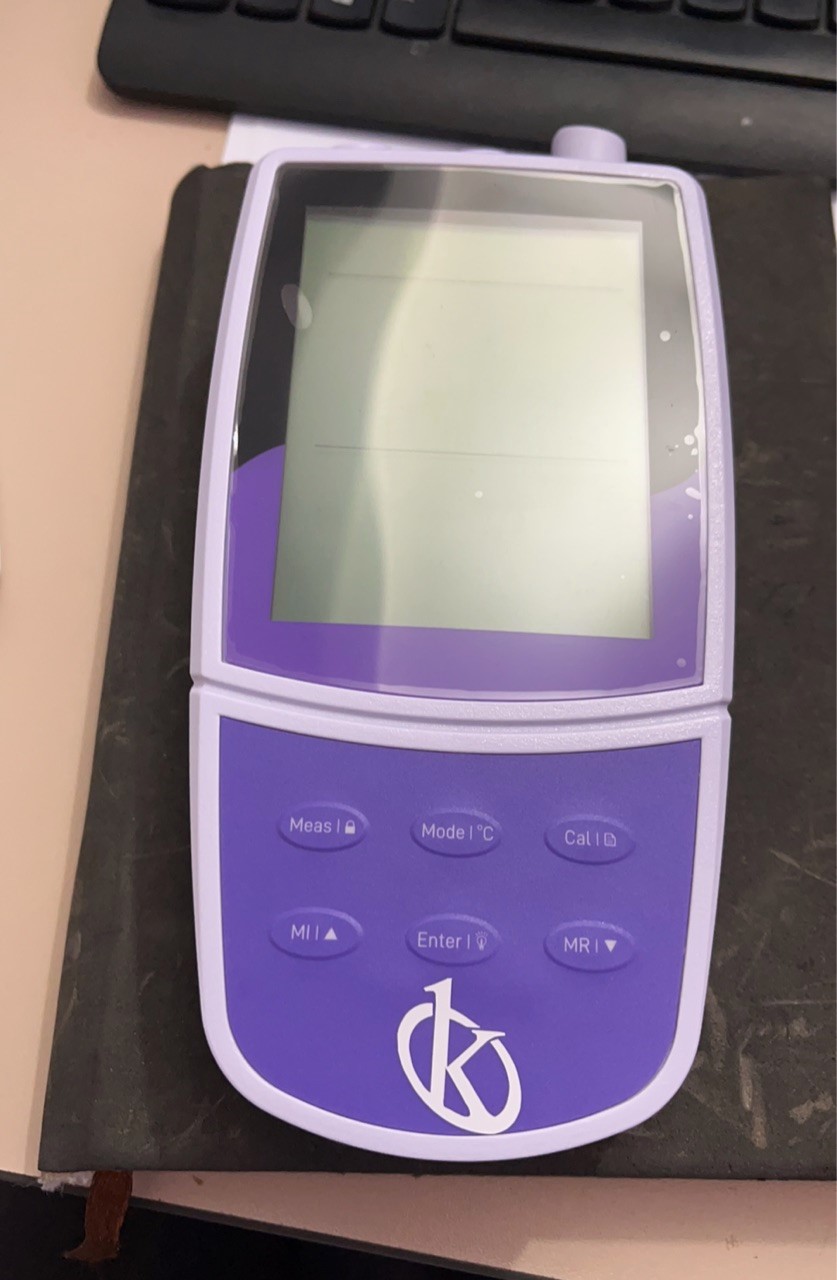
In recent years the use of chlorine for swimming pool disinfection has been replaced by ionization with copper or with the combination of copper and silver. This procedure is performed with copper ionizers. These devices use electrolysis to release copper ions into pool water, via an anode or electrode that is usually connected to the pipe that supplies water to the pool. These devices can be powered by a power supply or use solar panels to generate electricity.
Functions of pH Ion Meters in the Cosmetic Industry
In the manufacture of cosmetic products there are three essential aspects that must be addressed, the first, the elaboration of products pleasant to the touch and to the smell. The second is that they are efficient, that is, that these products improve the condition of the skin or hair and do not cause unfavorable effects. […]
What is the ion meter used for?

The ion meter is a piece of equipment used to detect the concentration or activity of ions in a solution. There are different types of ion meters; some are designed to measure a specific ion.