
How is a patient monitor explained?
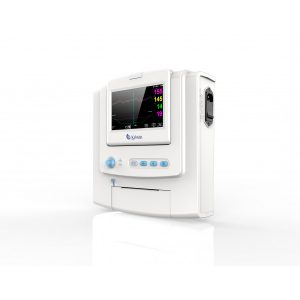
The patient monitor is a multifunctional instrument designed to monitor vital functional signs of adult and child patients. They are in hospitals and clinics and should only be handled by qualified staff. The team is designed to manifest a set of parameters in patients for the purpose of exposing medical data in trend database, conceiving alarms and observations…
What are the differences between a Dissolved Oxygen Meter and a Turbidity Meter?

It is important to note that there are different devices to measure these standards. In turn, the choice of these will depend on the use given to them in the laboratories. Its value lies in knowing the quality, physical and chemical characteristics of water.
Features of an Intensive Care Patient Monitor

Some tests for patients in intensive care units depend on direct observation and physical examination, and are done intermittently, with a frequency that depends on the pathology presented by the patient, while other parameters must be continuously monitored through medical equipment such as the patient…
Ways to use a patient monitor
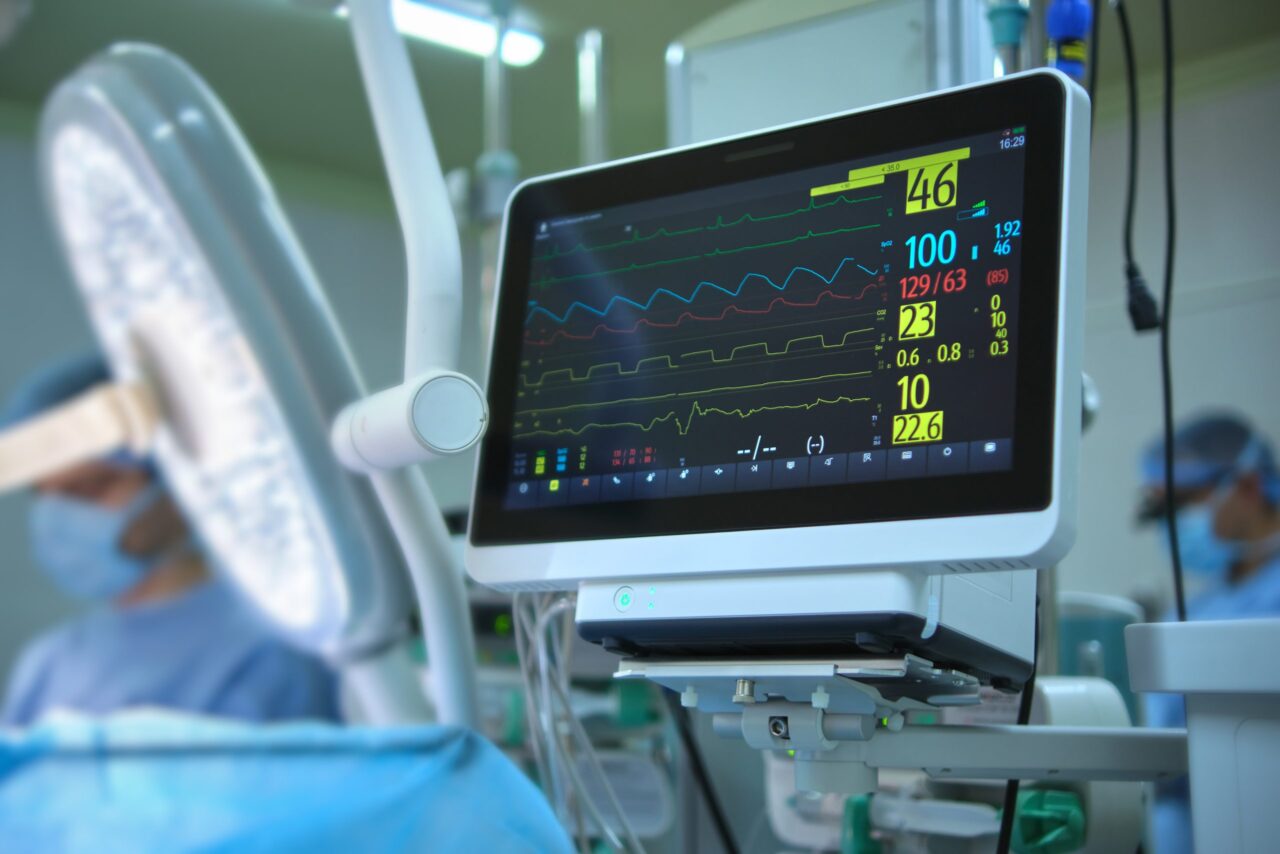
A patient monitor is an electronic device used in hospitals and clinics to monitor vital signs of patients who are in critical condition or who must undergo continuous medical surveillance, in case any alteration in the values of these occurs; among the most common vital signs assessed with this device are: heart rate (ECG), respiratory rate…
How to read a patient monitor in ICU?
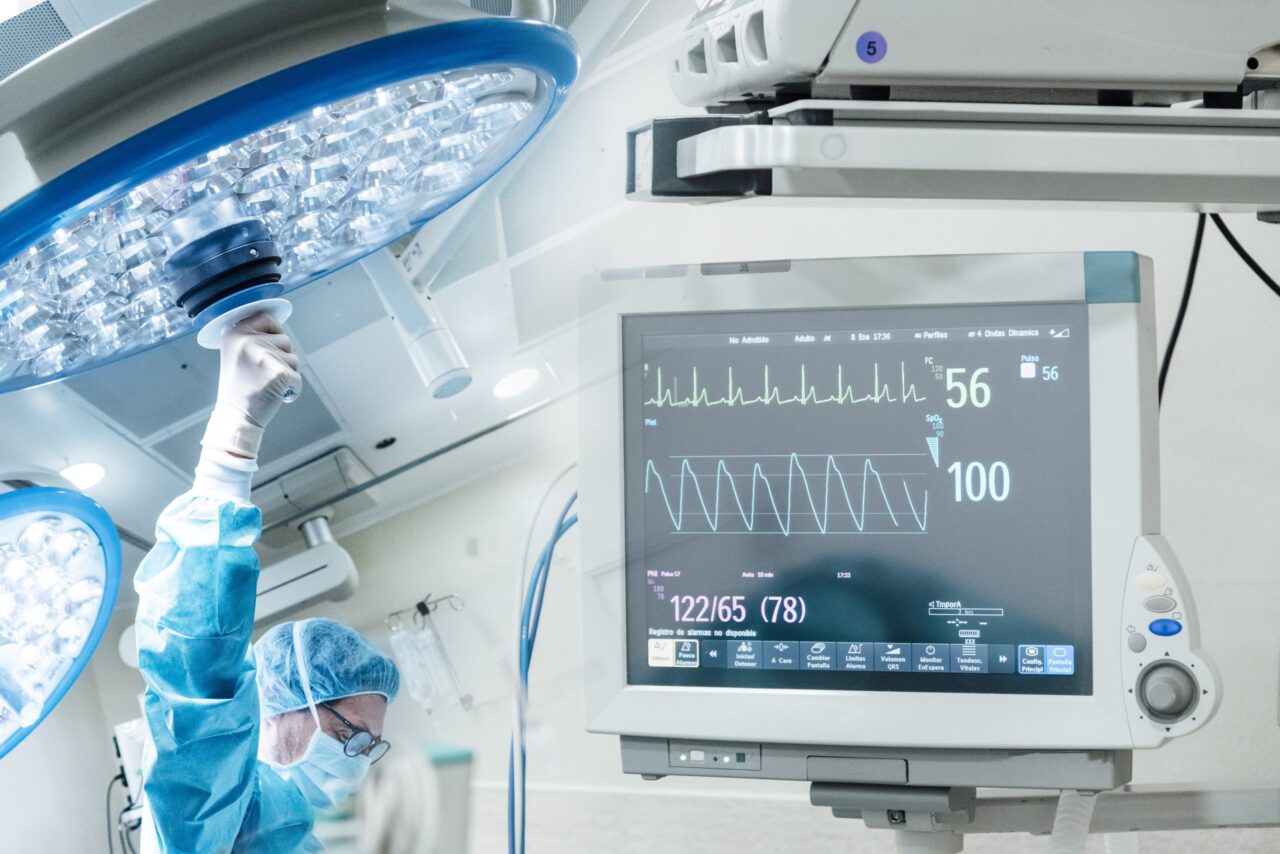
A patient monitor is one of the most important medical equipment in a hospital, clinic or other medical facility; so read these equipment that are usually found in intensive care units (ICU); it serves to monitor the vital signs of patients in critical condition who must be subjected to constant surveillance by health personnel in case of any alteration…
Patient Monitor: How should it be interpreted?
A patient monitor is a medical device that allows monitoring the vital signs of patients in critical condition and should be subjected to constant surveillance by medical personnel, in case of any alteration in the values of these; vital signs that are recorded with this equipment are: heart rate (ECG), respiratory rate (RESP)…
Different types of patient monitors
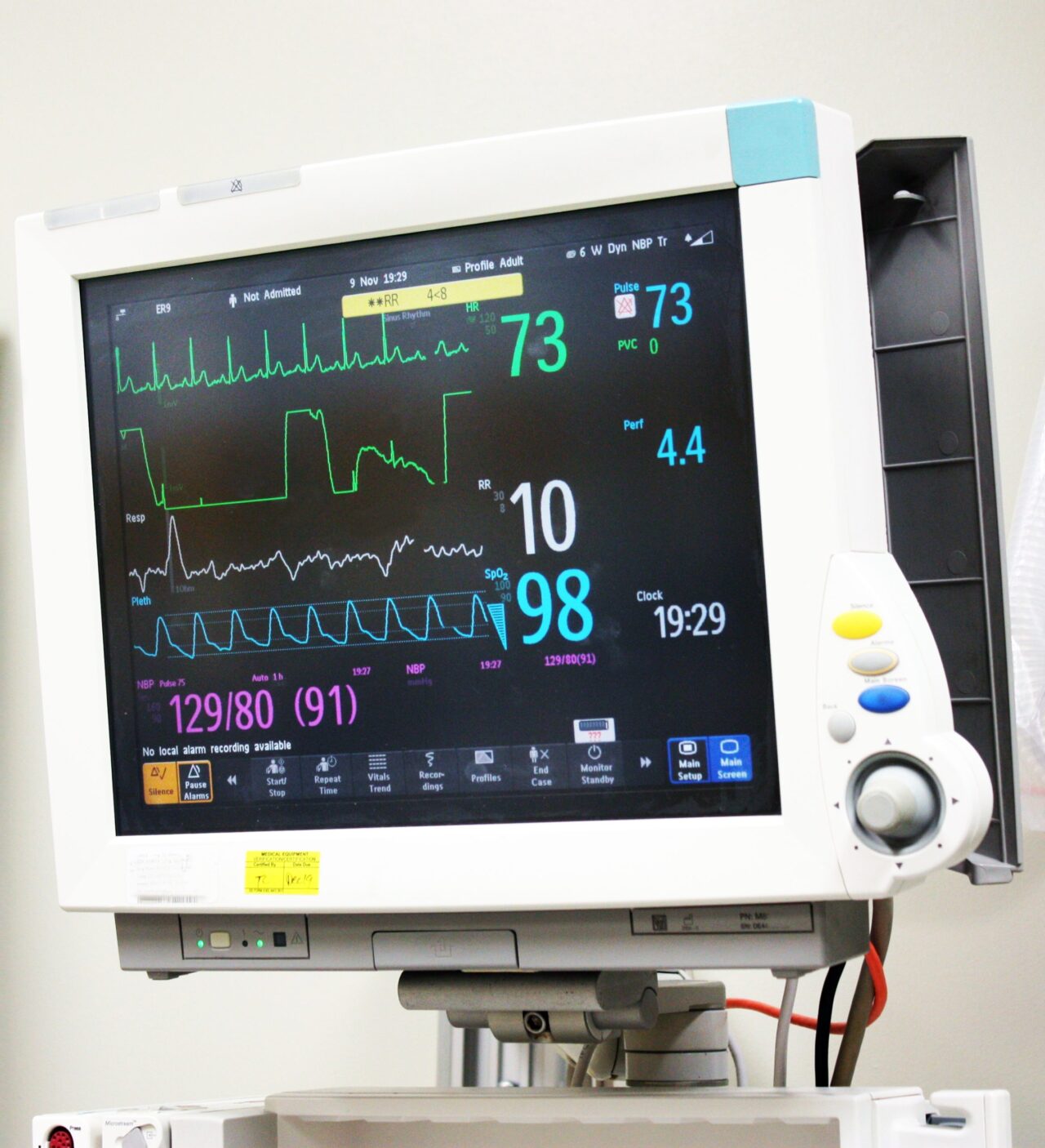
A patient monitor is a medical device used to continuously detect, process and deploy the vital parameters of a patient under continuous medical surveillance, including respiratory rate, blood pressure, body temperature and pulse. This device performs a real-time recording of these parameters, reflecting their information…
Conductivity applications
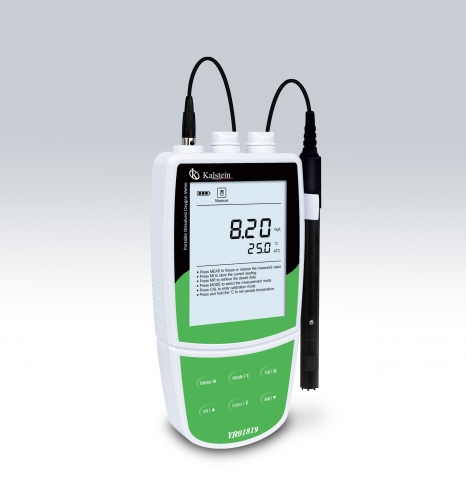
A conductivity meter is a scientific instrument used to measure the electrical conductivity of a solution. The results obtained from a conductivity meter are useful in a number of different scientific fields, including chemistry, biology and medicine.
The most common errors when measuring conductivity in the laboratory

Conductivity meters are used to determine the amount of salts in the water. These instruments send an electrical current through the water and then measure the resistance to electricity. As the concentration of salts in water increases, electrical conductivity also increases. Water that does not contain salts, such as rain or tap water, has very low electrical conductivity. For this reason, conductivity meters are useful for determining whether water is contaminated with salts. Conductivity meters can be used to measure groundwater, surface water, wastewater and seawater.
Laboratory conductmeter, operation

A conductivity meter or conductivity meter is a laboratory device, which is used to measure the amount of electrical current or conductance in a solution. That is, it is the instrument that is used to know the conductivity (electric charge) in water body, parameter that is useful to determine the general health of natural water bodies. It is also a way to detect changes in wastewater procedures at treatment plants.