
How are Muffles used in the Laboratory?

A muffle is equipment used in a laboratory to maintain a heat source at a regulated temperature. This is vital in some experiments where it is required that the material be kept at a specific temperature. It consists of a closed body with a heating element inside, is connected to a source of energy, such as a power outlet, and adjusts to the desired temperature.
What are the Applications of Muffles in a Laboratory?

The use of muffles in laboratories, are furnaces capable of heating at high temperatures, ceramic materials, drying and incinerating substances and products. To do this, muffles are used, a type of oven intended to reach temperatures above 200ºC. It has structures made of plates, with thermal and insulating materials. Inside, only refractory materials, such as a porcelain crucible, can be used due to the high temperatures it can reach.
Muffles in which type of laboratory are used?

Muffle is a equipment used for high temperature tests for various purposes, such as heat treatment, calcining tests, incineration of organic and inorganic samples and cooking of ceramic materials, among others.
How many types of muffles are there?

Muffles are versatile units capable of incinerating materials and melting metals, through thermal energy. They are used within laboratories, for the calcination of substances, drying of samples, control processes, heat treatments, hardening and cleaning of injection molds.
Why is a Muffle important in a Chemistry Laboratory?

There are several wonderful instruments and equipment, such as the studies that are carried out in them. There is every prototype and with many benefits, which are used according to the needs. One of the areas in which chemistry laboratory equipment is mostly used is sterilization.
What are the steps to use a muffle?
A muffle is an oven used in laboratories. It is a laboratory equipment specially designed for procedures requiring uniform exposure to very high temperatures. In other words, they are used for substance calcination, substance drying, casting and control processes, as well as for heat treatment of hardening and cleaning injection molds.
Types of microscopes for laboratory and field
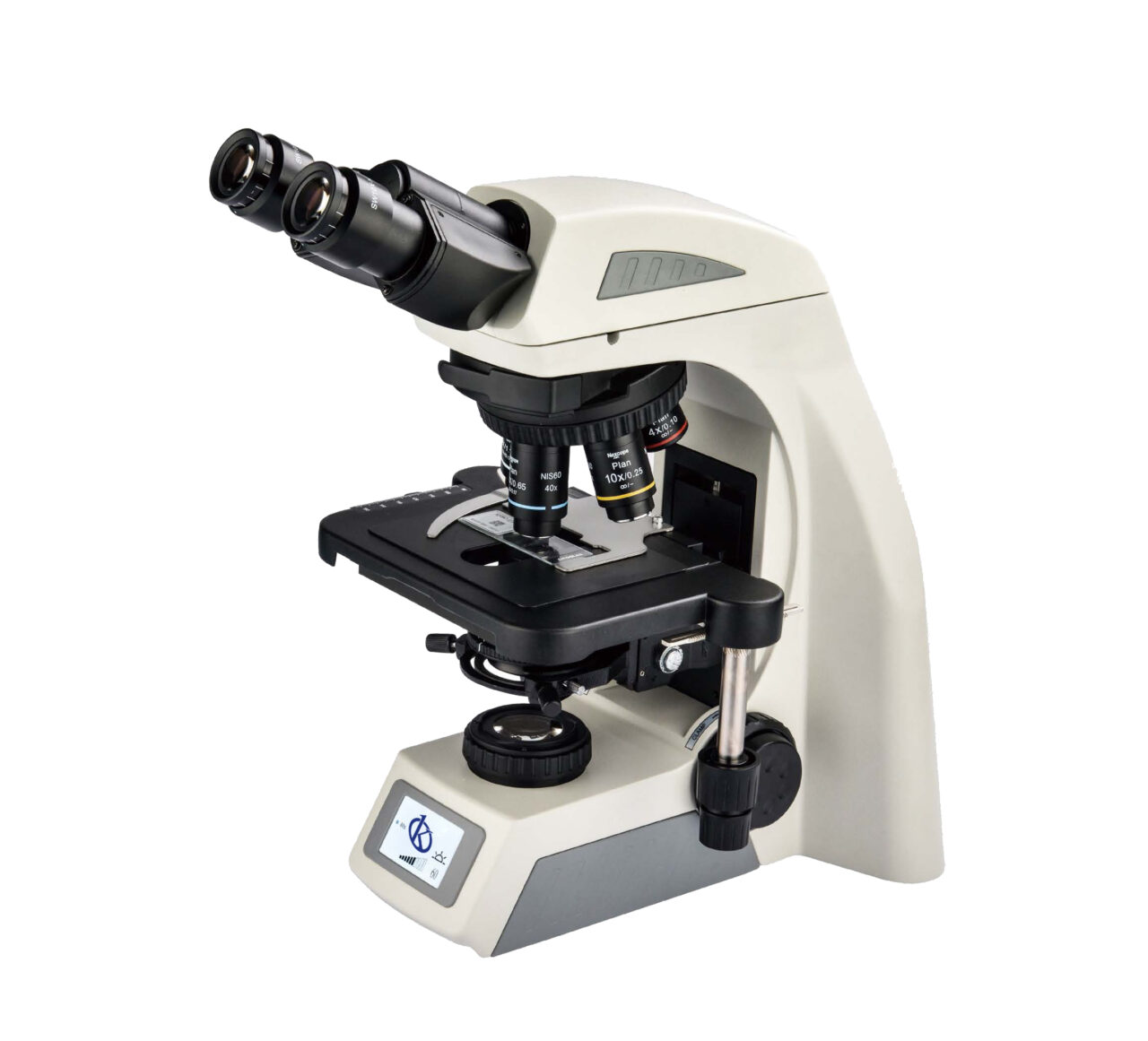
The microscope is an instrument that allows observing elements or structures that can not be observed at the naked eye, through lenses, viewers and light rays, which bring or enlarge the image on scales suitable for examination and subsequent analysis. He was invented by the Dutch Zaccharias Janssen in the sixteenth century.
What is the most commonly used Microscope and why?
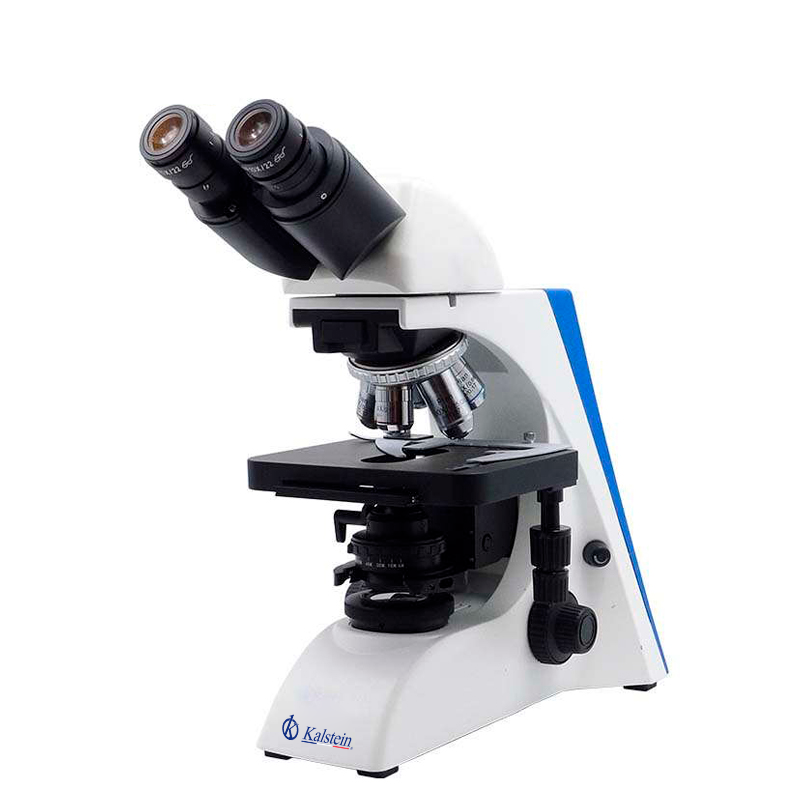
The microscope allows to observe samples almost invisible to the human eye, and in the laboratories, are ideal equipment for carrying out microbiological studies. Therefore, the most commonly used type of microscope is the binocular, because they have, as its name indicates, two eyepieces.
Functions of the microscope for the development of vaccines against monkeypox
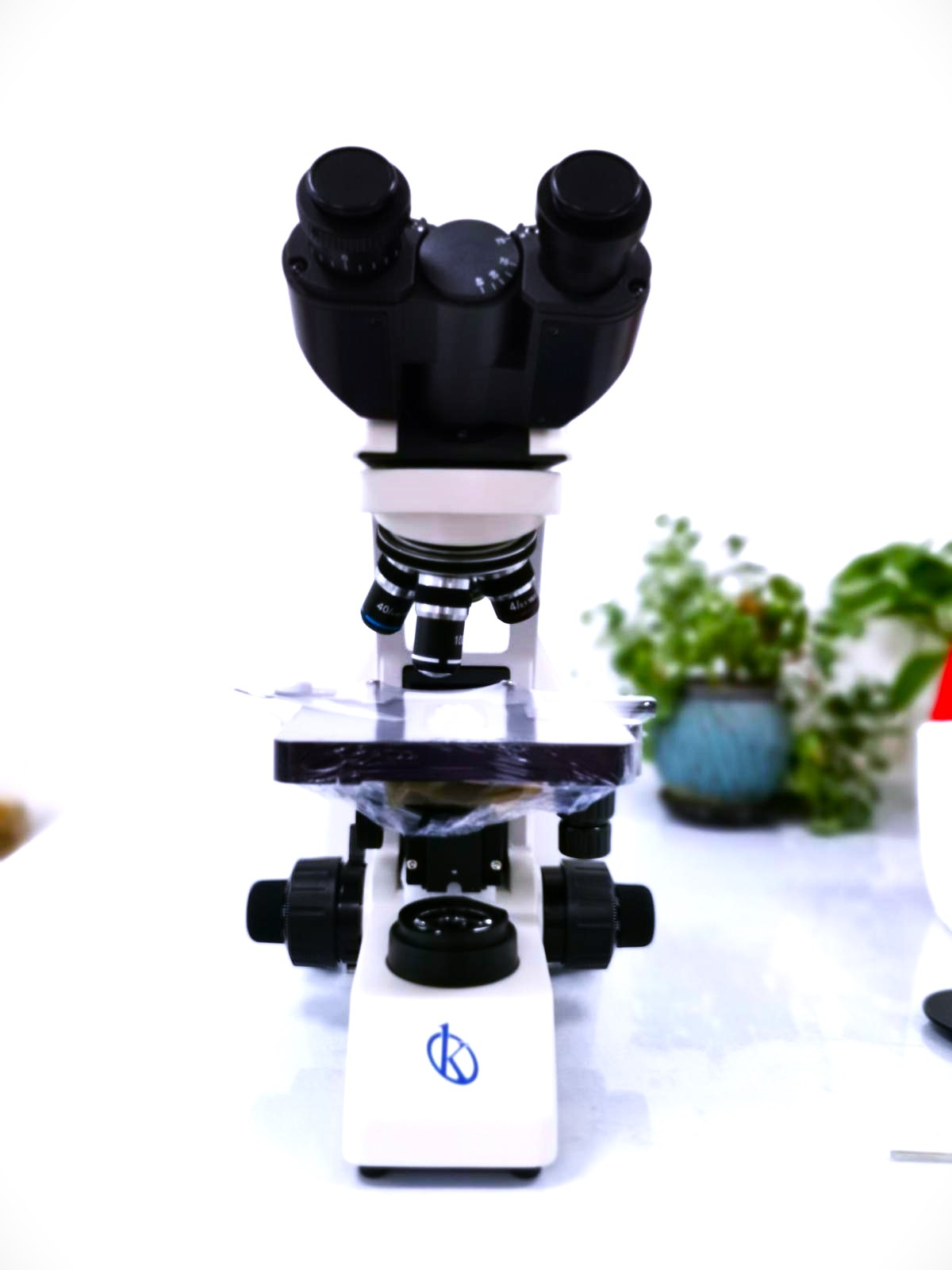
Monkeypox, also known as seismic smallpox, is a disease similar to smallpox, however, this is considered less severe, and is caused by the Orthopoxvirus. This viral disease is spread by coming into contact with the animals that carry the virus. Although the name of this viral infection is attributed some relationship with monkeys, these are not only their carriers, according to studies, rodents such as dogs, mice, rats and squirrels are also.
Use of Microscope for Tissue Analysis Caused by Hantavirus (SPHV)
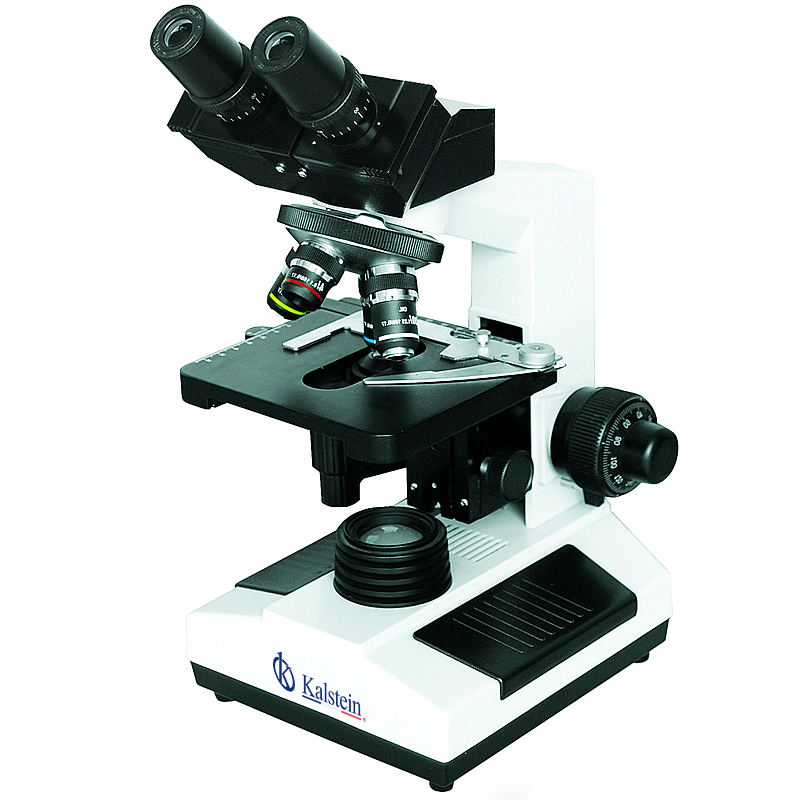
Hantavirus is a zoonotic viral disease caused by the hanta virus, the carriers of this infectious agent are rodents, especially mice. The virus is present in the excrement and urine of these animals, infecting humans by contact and inhalation, or by being bitten by a rodent. It should be noted that this virus does not cause disease in the animals that carry it.