
What are the advantages of using the Refractometer?

The refractometer is a laboratory instrument used to measure the total solids in a solution and determine their state of purity. It is a novel light refraction instrument that crosses matter directly related to solidity and the set of suspended solids, which passes through various prisms, resulting in measurement scales such as Brix, specific density, percentage (%), among others.
Improving Precision in Plastic Surgery with Optical Surgical Navigators
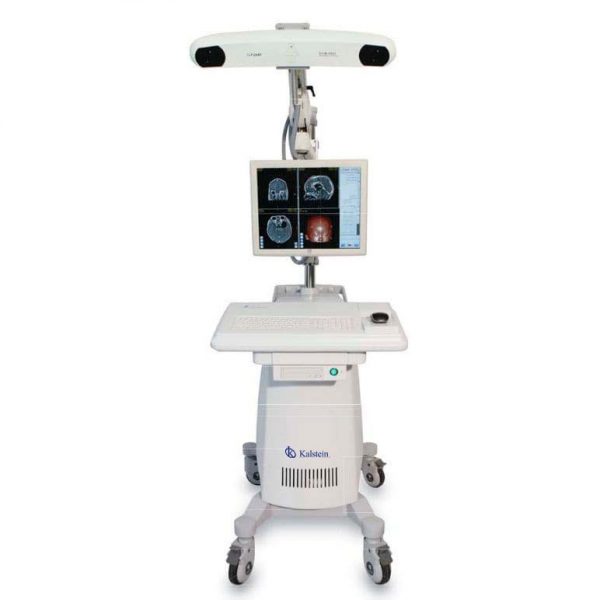
Plastic surgery is the art of reconstruction and the aesthetic and structural rebalancing of the human body. Since ancient times, various methods of plastic surgery have been used, from the implementation of basic surgical tools to the most advanced methods. However, the accuracy when performing surgical techniques remains one of the most important aspects of this type of surgery.
Refractometer: What kind of units does it measure?

Refractometers are optical instruments used to determine the percentage of soluble solids in a liquid solution. For this, the refractometer makes use of the principle of total refraction of light (originated by the type and concentration of the substances dissolved in a liquid solution, for example, sugar), which takes place in the boundary layer between the prism and the sample.
Use of the refractometer to determine sweetness in beverages Refractometers
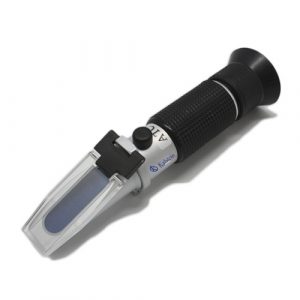
Refractometers are instruments designed to measure an optical constant called the refractive index, a characteristic of the sample and the particles dissolved in it. This is defined as the relationship between the speed of light in a vacuum and the speed of light in a substance, it is a property of the material that is not different from the boiling and melting points, but that facilitates the final identification.
What is the refractometer for in the food industry?

The refractometer is an instrument that measures the density of substances. Measures the level of refraction of a material medium based on the critical angle or the displacement measure of an image. It allows you to identify a substance, verify the degree of purity, analyze the percentage of solute dissolved in a certain solution and offers other qualitative analyzes.
What are multi-station heating plates?

The multi-station heating plate is a benchtop and portable laboratory instrument that adapts to multiple processes that require temperature and shaking frequently used in the laboratory, it can be available in 2, 4 and 6-station multi-station models. That is, it is a device that provides simultaneous heating and stirring options, totally ideal for mixing several chemical substances at the same time, this instrument is used to mix solutions from water to 50% glycerin together with a magnetic bar in small open containers or closed. It is an ideal equipment for laboratories that need to do multiple processes.
What is a hot plate?

The heating plate is a laboratory instrument desktop and portable comprised electric heating elements and corrosion resistant to chemical and mechanical attacks. It is a device useful for heating fluid containers, glass materials, or contained within them, in a uniform and controlled.
What is a Warming Plate?
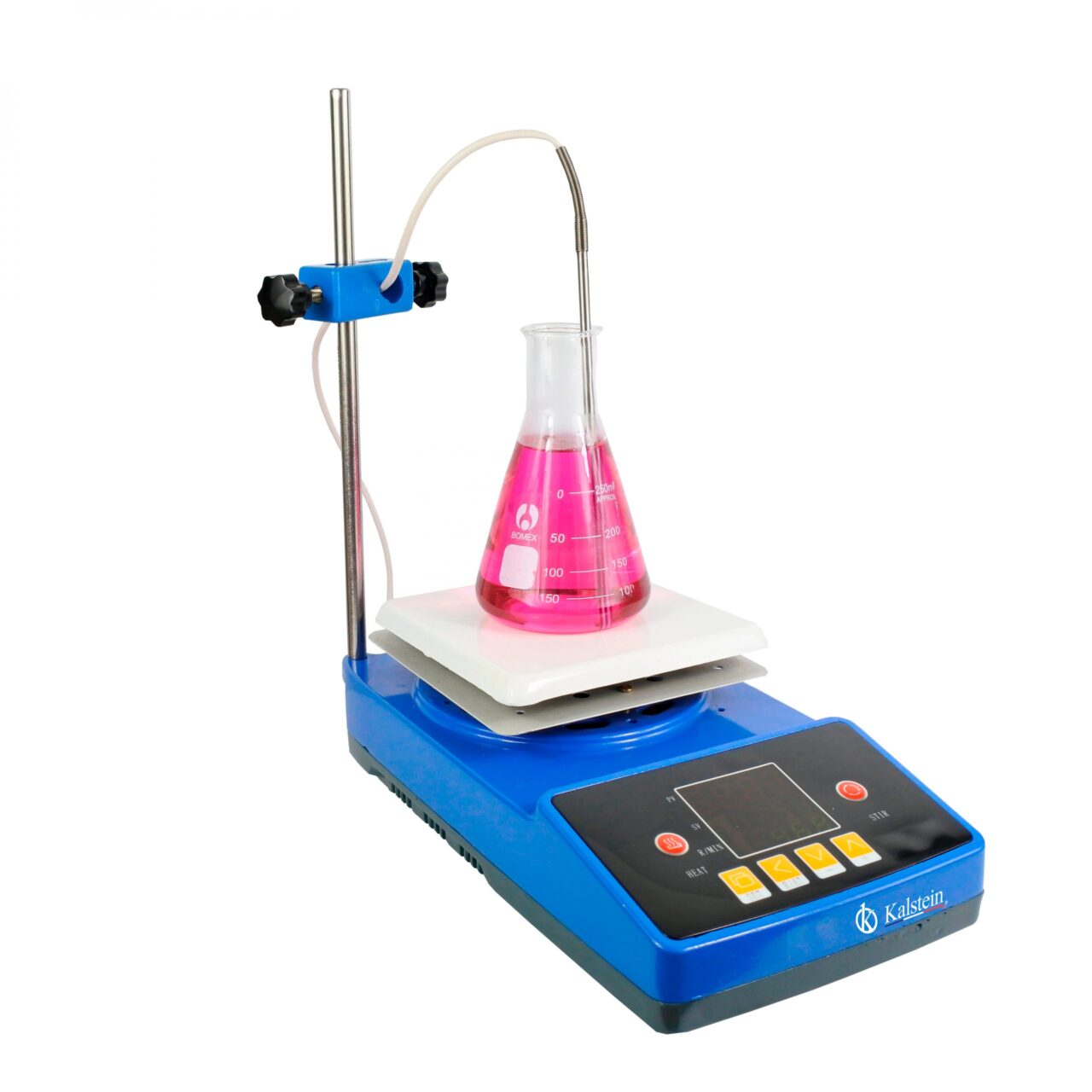
In the laboratories, various procedures are carried out to achieve the objective of their studies, such as distillation, boiling and extraction processes. Several of certain processes consist of preparing chemicals or solutions with exact temperatures to achieve a certain reaction.
What are the different types of heating plates that exist?
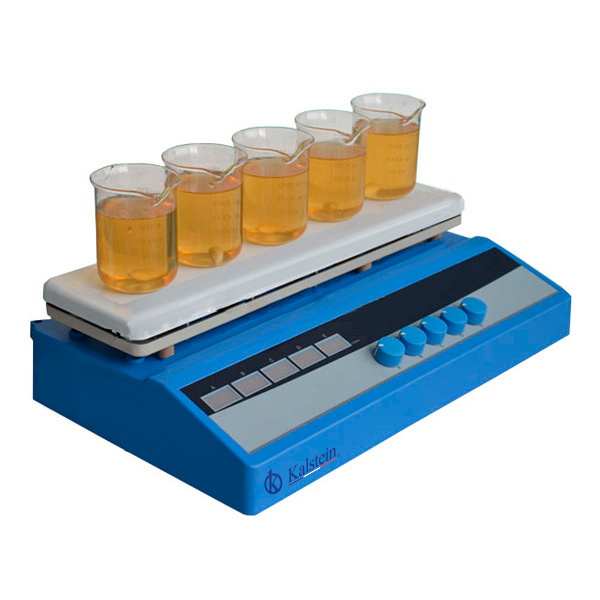
These are laboratory instruments are small appliances that have one or more elements of electric heating, in addition they have a structure resistant to chemical spills, as well as corrosion; its main purpose is to heat containers of different materials with liquid content, always uniformly and controlled; we can find on the market different models with specific features that will depend on your applications.
Heating and Stirring Plates- Types And Uses
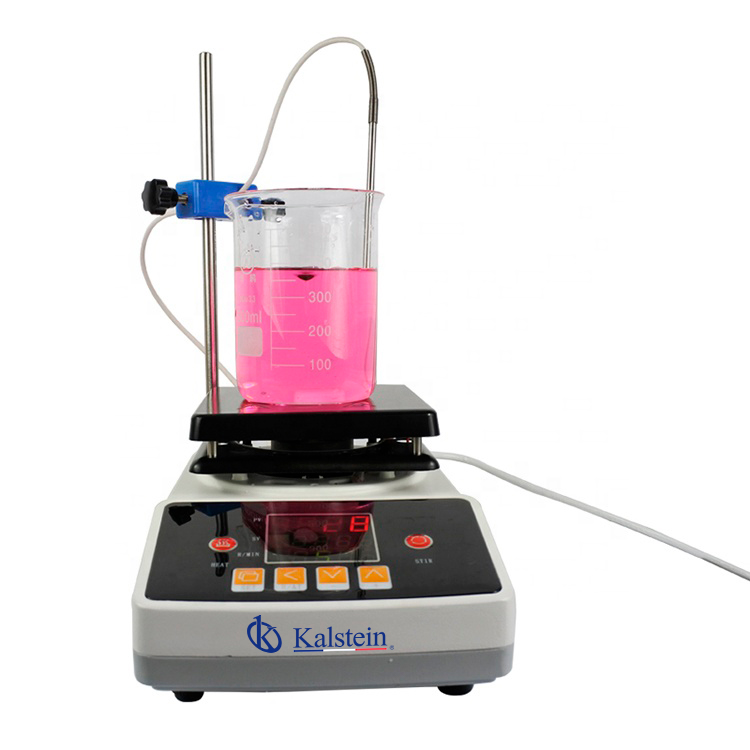
It is a laboratory equipment that adapts to multiple experiments that require temperature and agitation frequently used in laboratories; the magnetic stirrer with heating is an equipment that generates a magnetic field to achieve automatic mixing of solvents and solutes; accompanied by a heating plate, quickly reaching temperatures of up to 300°C.