
How many types of laboratory refrigerators are there?
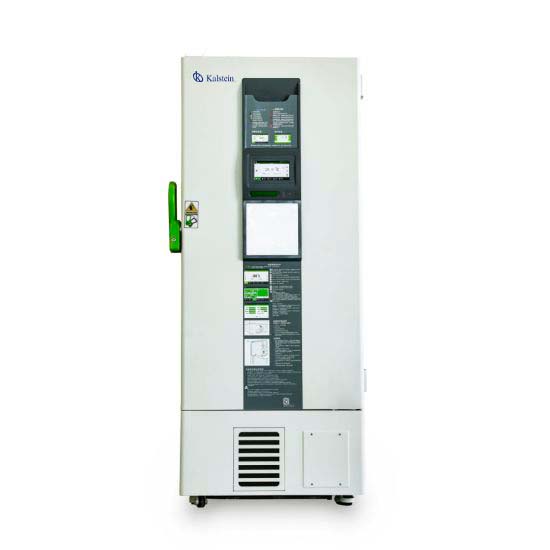
A laboratory refrigerator is a specialized equipment of great relevance and very useful in these places, because its main objective is to generate a controlled environment (refrigerated space), where the fluids, substances, and reagents used in the laboratory, can be stored in optimal conditions. The functions, options and temperature ranges will vary depending on brands and models, there are several models of refrigerators for laboratories and each of them are of utmost importance, because thanks to the use of these effective equipment it is possible to properly conserve substances as reagents, and also biological substances, which, being well preserved, will generate analyzes with the expected results.
The deep freezer: what are its technical operating bases?
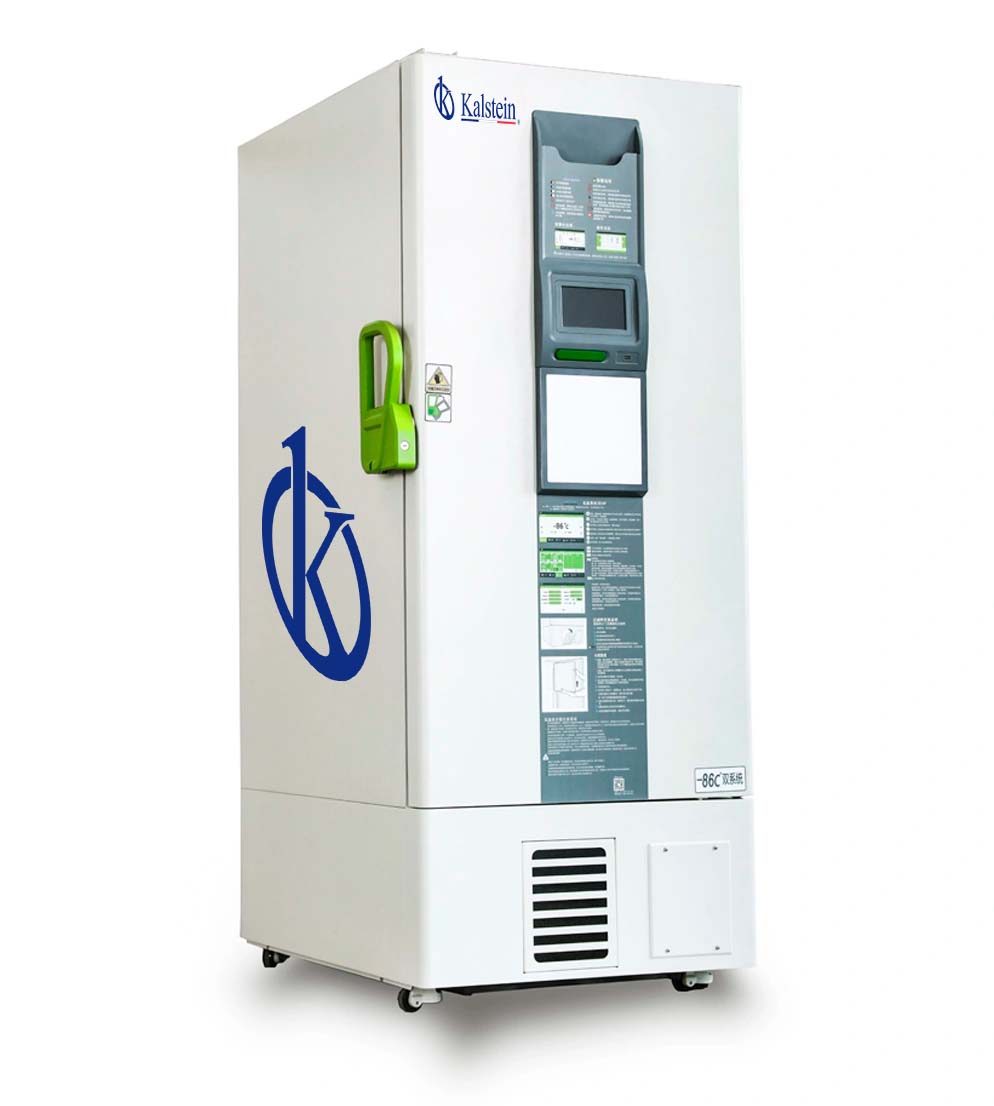
Ultra freezers, also known as -80 freezers or ultra-low temperature freezers, due to the temperature they handle, are a very common type of freezer in a wide variety of research laboratories, the reason is because they allow to preserve samples in the long term at very low temperatures, between -4 ° C and -86 ° C. They come in horizontal and vertical shape, according to the needs of the user.
Freezers and COVID vaccine
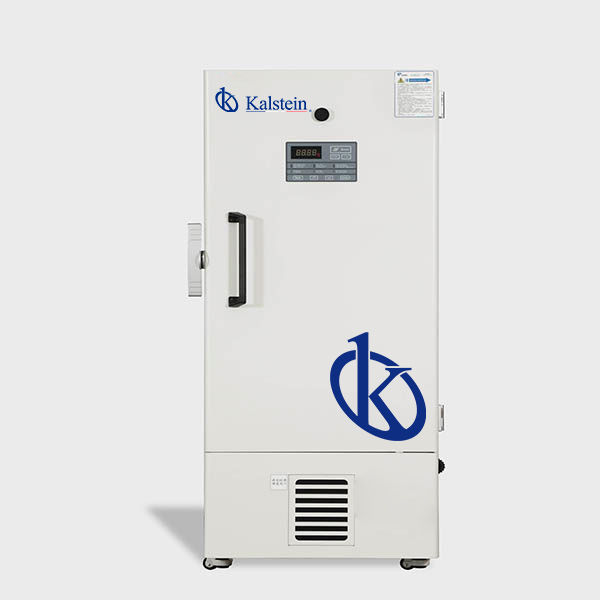
A freezer is a refrigeration equipment that comprises a thermally insulated compartment, which helps it to keep cold and thus avoid damage or degradation. It is kept cold by compression or by absorption, which is capable of keeping the products stored inside at a temperature below 0 ° C, normally between -30 ° C and -4 ° C. Although currently some equipment can reach temperatures of -80 ºC. Its function is to maintain, in a controlled environment, various fluids and substances, so that they are kept in good condition, since the lower the temperature, the less chemical and biological activity. To achieve this it is required that the interior temperature of the refrigerator is lower than the ambient temperature.
What are the different applications of a laboratory refrigerator?
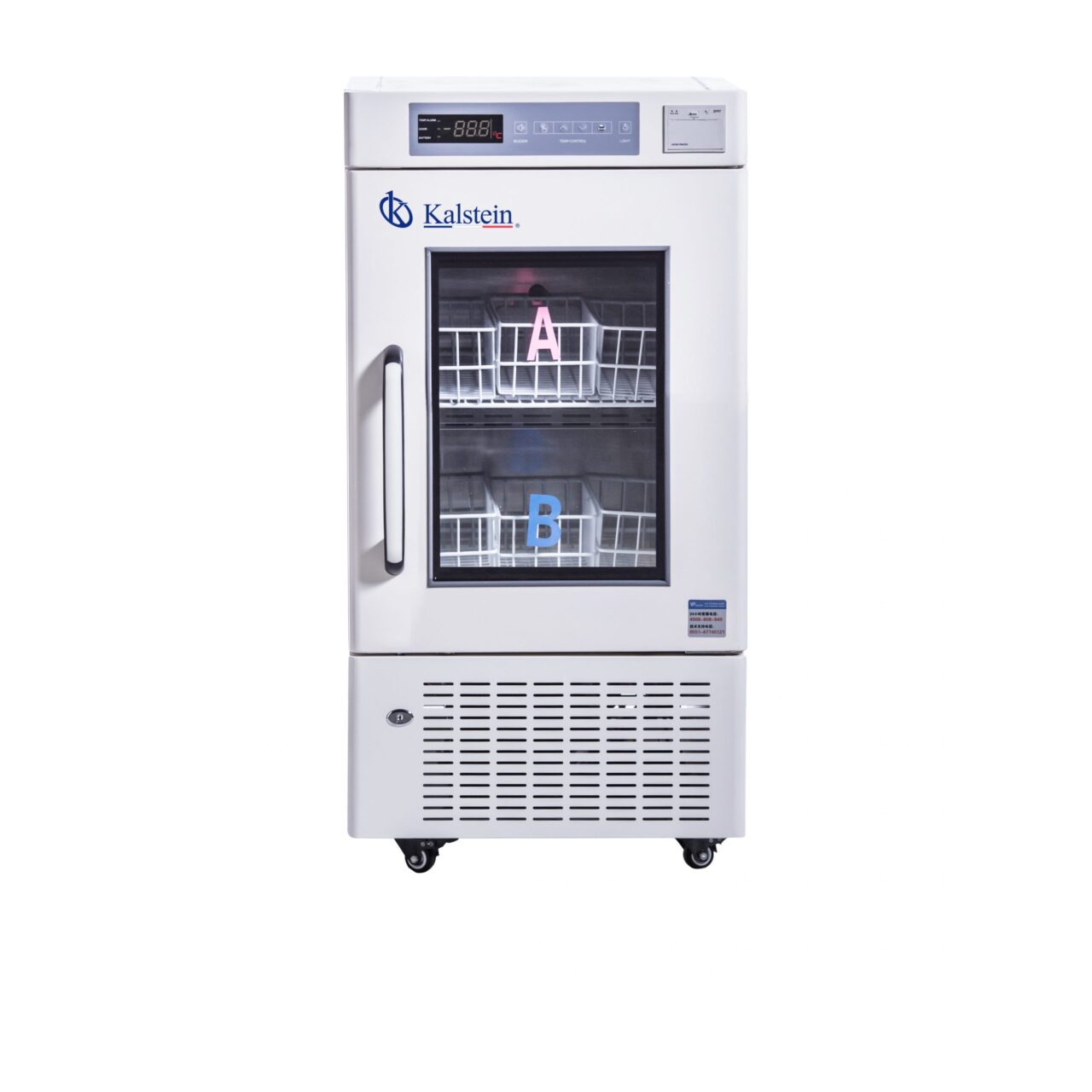
A refrigerator is equipment specially designed for use in the laboratory, the main purpose of which is to keep very important substances, fluids and samples in perfect refrigeration. It is a device that provides a controlled environment, where these substances are conserved to optimal conditions.
How is a Laboratory Refrigerator made?
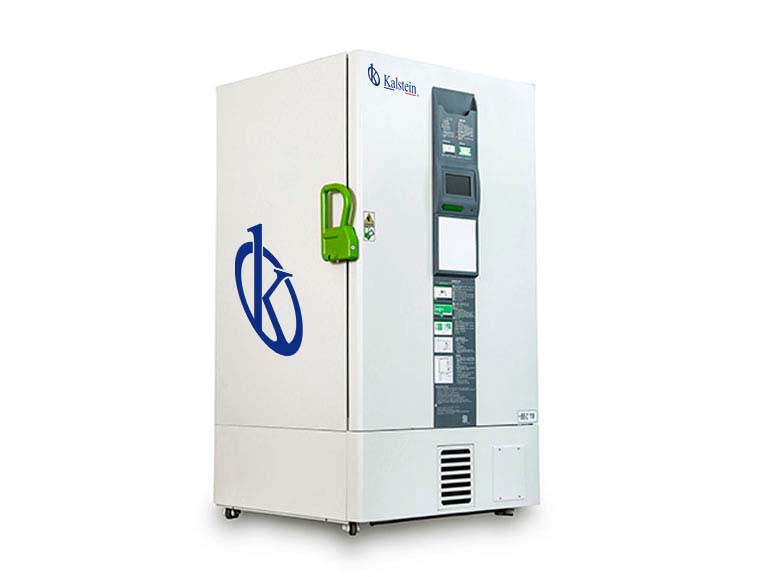
Generally, the laboratory refrigerator, is made of resistant steel material and consists of an evaporator, storage cabinet located under the evaporator, where you can place shelves for storage, as well as the thermostat, which allows you to open and close an electrical circuit by action of a change of temperature, and the cooling system. The evaporator, located on top of the cold cabinet with sub-zero cooling functions, can reach temperatures of 5 to 30 °C.
The refractometer to measure water salinity
Currently, salinity is usually defined as the concentration (g/L or ppt) of dissolved salts, i.e. the amount of salt in the water, which is not dependent on temperature. It should be noted that the original concept emerged around the 1901s, when the International Council for the Exploration of the Sea (CIE) commissioned Danish Martin Knudsen to conduct research on the ionic properties of seawater and how it related to the chloride content. Knudsen defined the concept of salinity, based on the average chlorinity of ocean water and established the equation Salinity = 0.030 + 1.805 Cl – expressed in g/L. It was modified over time and by 1967 it became 1.80655 Cl – by international agreements.
Refractometer: What do they measure?

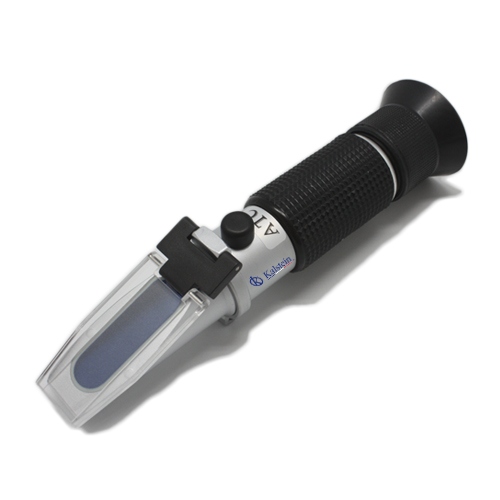
The refractometer is an optical device that serves to measure the percentage of soluble solids in a liquid solution, this instrument uses the physical principle of total refraction of light, which originates from the concentration and type of substance dissolved in a liquid solution.
How does a refractometer work?
Refractometers are optical instruments that allow determining the percentage of soluble solids in a liquid solution, making use of the principle of total refraction of light (caused by the type and concentration of substances dissolved in a liquid solution), which takes place in the boundary layer between the prism and the sample.
How useful is the veterinary refractometer? Useful Concepts

Refraction is the change in the velocity of a wave that affects a surface as it passes from one medium to another with a different refractive index. The refractive index is the ratio of the speed of light in vacuum to the speed of light in another substance, making the refractive index a specific physical property. This parameter of analysis is a good approximation for media where losses by absorption or other phenomena are negligible.
Applications of the Optical Surgical Navigator in Neurology
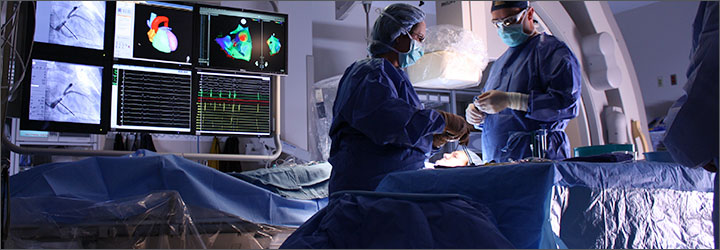
In a medical field as complex as neurology, new applications are being found to the optical surgical navigator. This is partly because medical information technologies have made tremendous progress over the last two decades. A significant advance in this area has been made through the development of Optical Surgical Navigation technology. The main purpose of this technology is to help neurological surgeons improve the accuracy and efficiency of surgical procedures.