
What are the best sealing machines for the laboratory?

If you work in a lab or any other environment that requires insured packaging, we must consider what our needs demand. Some of the factors to consider when choosing a sealing machine are its capacity, quality, reliability and price.
What do we use water purifiers for in a laboratory?

Pure water in laboratories is more than a necessity, it is considered an essential element, which is why the purification of water in laboratories is considered a fundamental process, and this is achieved through specialized equipment called a water purifier.
What is a Water Purification System?

Water is one of the most precious and vital riches for humanity, to the point that it is primary for life. But, despite this, it can also contain and transport microorganisms and bacteria that can potentially cause serious health problems (including high mortality rates in the developing world). Fortunately, today there are solutions to clean water from impurities, such as water purifiers.
How to select your ideal water purification system
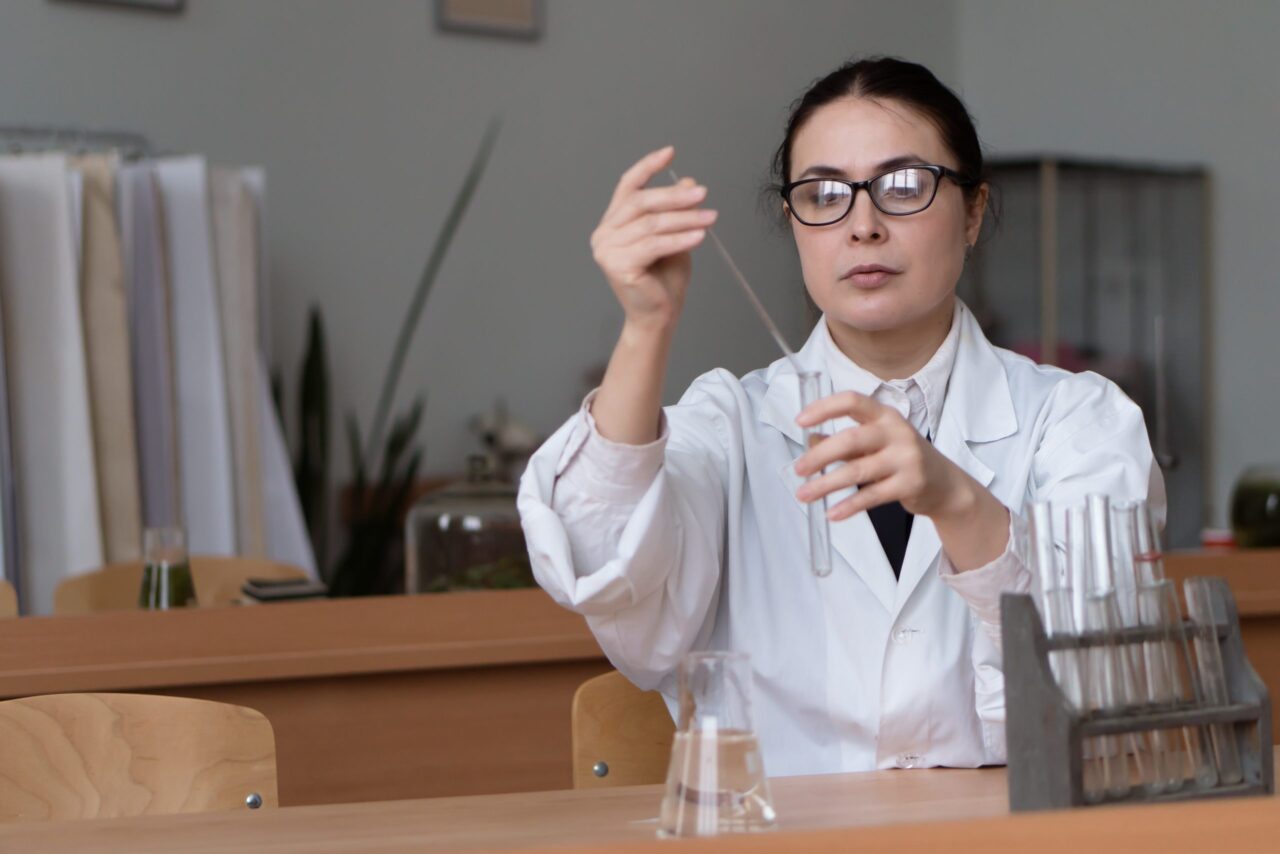
Water purification systems are essential equipment in any home or work space, if it is believed that the water being used has come into contact with pollutants. These systems allow, as their name says, to purify this vital liquid, by eliminating pathogens or chemical elements that can be harmful to humans.
What are the different water purification systems of a laboratory?
It is essential for the work of laboratories the use of purified water, not only to wash the instruments used in the laboratory, but for the preparation of solutions for non-crucial testing; in addition to producing ultra-pure water needed for crucial experiments and chemical and biological applications.
Reverse osmosis and water purification
The purification of drinking water consists of a series of steps to which the water is subjected to eliminate waste (solid and mineral) and microorganisms from it in order to obtain water of greater purity and better quality for the consumer.
Deionization and Reverse Osmosis. What are their differences?

The processes for water purification are varied, and the choice of one will depend on the needs of the user, since each one will leave the water prepared for different applications, in addition to that, each treatment performs a process and requires special equipment; Now, remember that these treatments are carried out because water has impurities, there are scientific and medical areas in which purified and ultrapure water is required.
Reverse osmosis: Recommendations and care
Reverse osmosis is a technology for water purification, where a semi-permeable membrane is used to remove minerals and ions from the water, and remove larger particles from the water.
How is the filter change performed in the water purification system in the laboratory?
Water production and maintenance of a water purification system should be simple processes. However, if proper maintenance practice has not been followed, they may become a problem. In particular, the aspect related to water production is important, because the water quality standards for the laboratory are strict. Water purification systems need to be able to meet the requirements of these standards, consistently and at the appropriate volume.
What is a freeze dryer?

The lyophilizer is the apparatus used to carry out lyophilization. It consists of the following parts: dry chamber or lyophilization chamber: it is the place where the substance to be lyophilized is placed, condenser with a refrigeration circuit: it communicates with the dry chamber and it is where the vapor that is produced in the sublimation is condensed and finally a vacuum system.