
What are the applications of Reagents

Reagents, which can be both natural and artificial, are chemicals that bind to bodies reacting to certain conditions. Within science they are usually used for research and determination of chemical species, amount of a bacterium in the water, any type of reaction, among others.
What are the most dangerous laboratory reagents and why ?

Laboratory reagents are one of the most important elements of chemistry laboratories. These reagents, also known as chemical reagents, can be incendiary or poisonous substances, so it is necessary that they are handled with care to avoid any unfortunate incident.
What is the purpose of phototherapy?
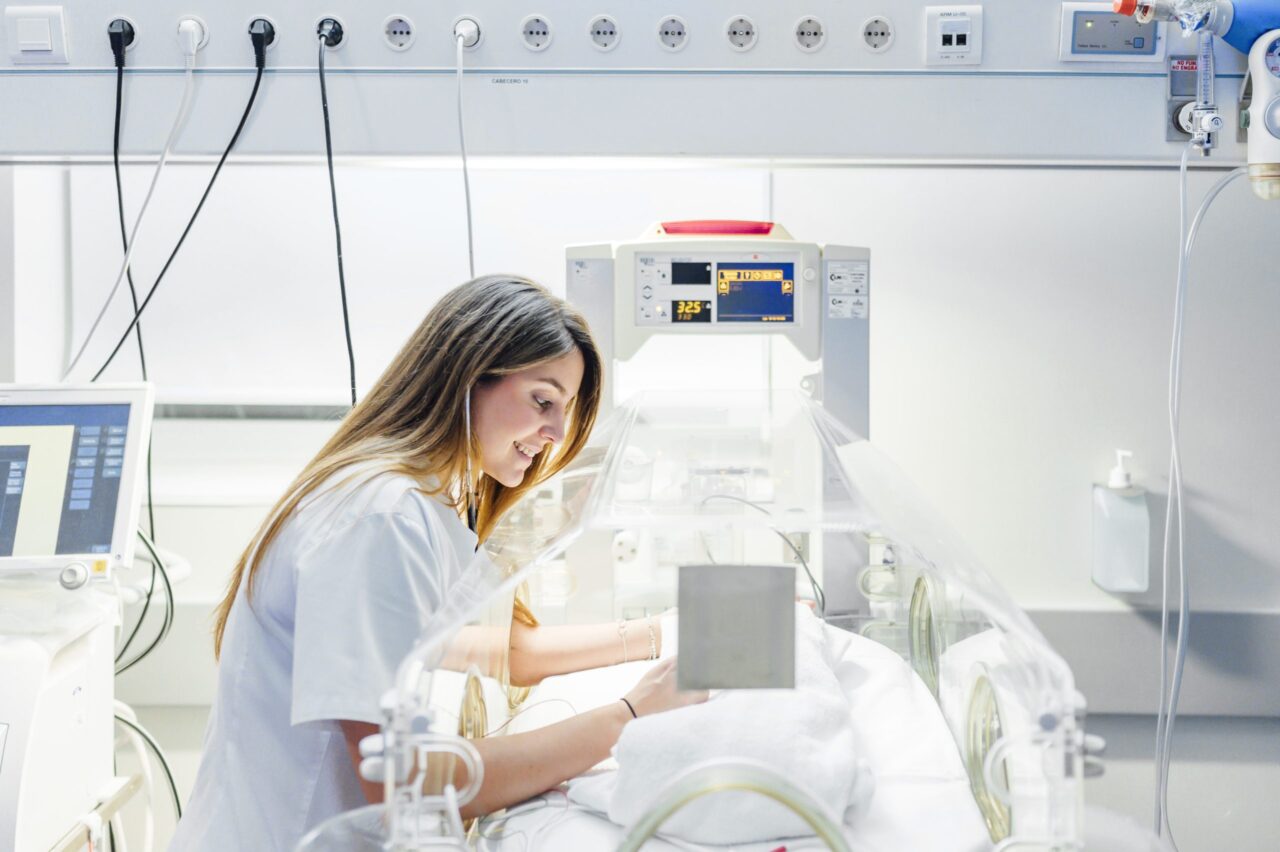
Phototherapy is a therapeutic methodology in which electromagnetic radiation (light) is used, with the aim of treating neonatal hyperbilirubinemia. Phototherapy causes the transformation of bilirubin into water-soluble photoisomers that can be excreted in feces and urine, without the need to conjugate in the liver….
What is jaundice? How is it treated?

Jaundice is the yellowing of the skin and mucous membranes caused by the accumulation or deposition of bilirubin. In newborns, the pathological increase in bilirubin is most often secondary to the destruction or lysis of red blood cells, since the concentration of these cells is higher…
Effectiveness of Incubator Phototherapy to Treat Neonatal Hypoglycemia

Phototherapy is a form of treatment used to treat neonatal hypoglycemia. This therapy is done by exposing newborns to a bright light source, usually through an incubator. The purpose is to lower the bilirubin level in the baby’s blood, which in turn can help treat hypoglycemia…
The use of the Incubator of Phototherapy to improve the stability of the Newborn

There are many types of incubators, but the principles are the same: the incubator keeps the baby warm, often with the help of a humidifier to add moisture to the air. The incubator also provides a controlled environment, which means the baby is protected from drafts and other sources of infection…
Study of the Efficacy of Patient Monitors in the Treatment of Chronic Diseases

Within the last few years, the use of patient monitors to help in the treatment of chronic diseases has become more common. This is due to numerous benefits that Patient monitors can offer health professionals: better information to help direct treatment, the option to monitor a patient remotely, and greater access to information to keep abreast of changes in the patient’s condition.
Why is it important to measure Viscosity in the Laboratory?
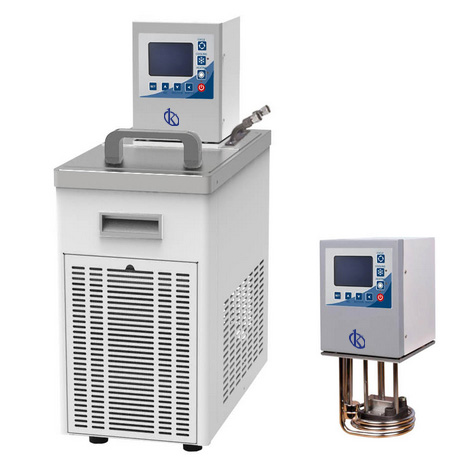
Viscosity is a measure of the friction contained in a liquid. This friction resistance becomes evident as soon as one layer of the liquid is put into motion against another. The higher the friction, the greater the force needed to induce this movement, which is called “shearing.” Shearing occurs whenever liquids move or physically separate when poured, stained, sprayed, or mixed. High viscosity liquids require more force than low viscosity liquids.
Use of the Viscometer for the Production of Cosmetics

Viscosity belongs to the field of rheology, change of form and flow of substances, elasticity, viscosity and plasticity. Since viscosity is the measure of internal friction in a fluid, viscometers act as a tool within rheology. Viscometers have a place in many industries.
Energy efficiency of electrosurgical equipment

Energy efficiency is a matter for all of us, and we are worried about revenge in all areas of the world. In the field of electrosurgical equipment, this concern is evidenced in multiple initiatives that seek to improve existing techniques and models with a view to optimizing the creation of electrical energy for the realization of surgeries.