
What are the different types of clinical chemistry analyzers that exist?

This type of analyser is also known as biochemistry analyzers, they are required equipment to determine the existing metabolites in biological samples such as blood and urine, the study of these fluids allows diagnosing diseases, which is why they are widely used in the areas of immunology, endocrinology, toxicology or oncology.
How does a Clinical Chemistry Analyser work?
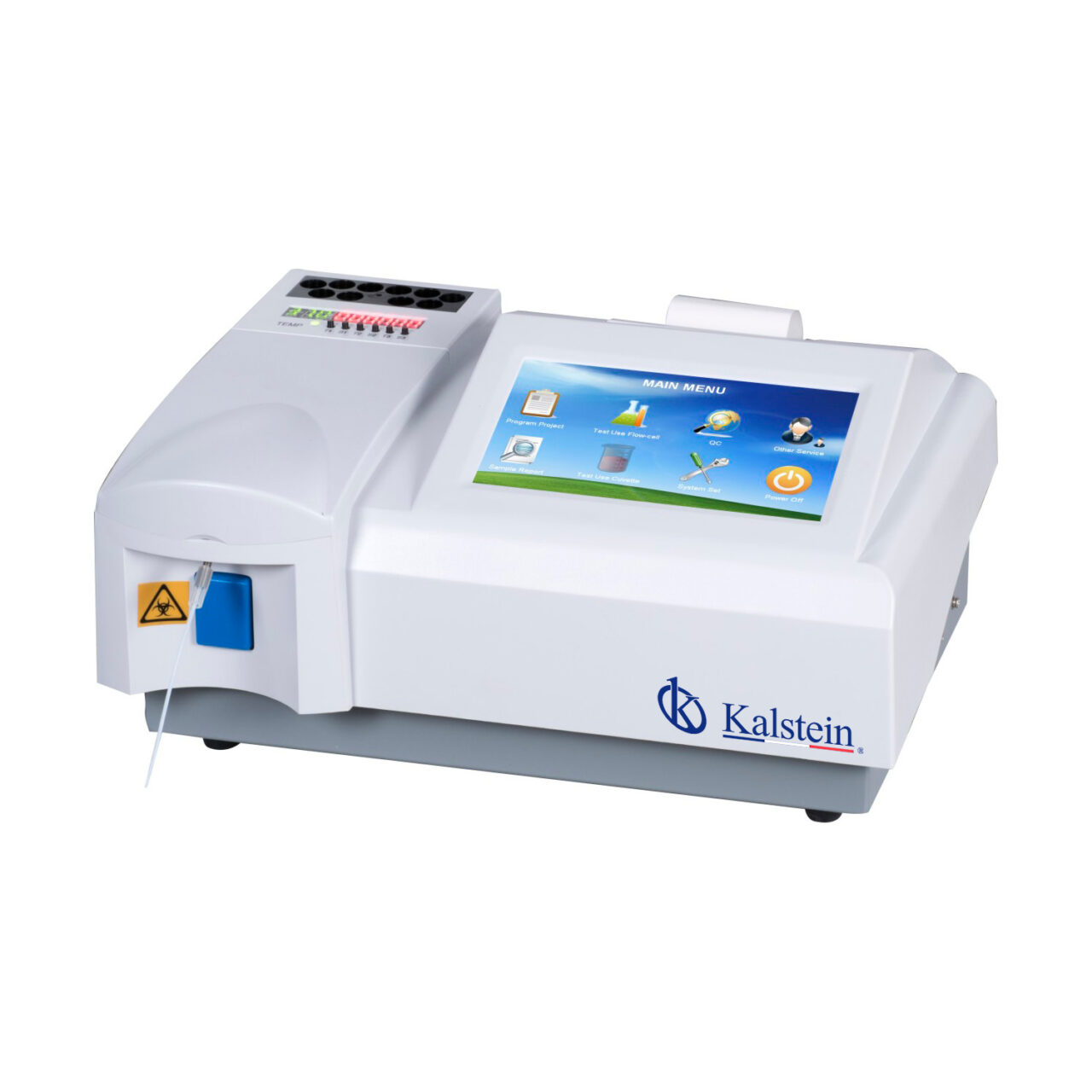
The chemistry analyser is a clinical laboratory tool, designed to do blood tests, from 125 to 1600 photometric tests per hour. This equipment works mainly in clinical or hospital laboratories, its main function is to analyze the elements of a blood sample, to calculate the levels of triglycerides, cholesterol, proteins, among others.
What are the different types of hematology analyzers?
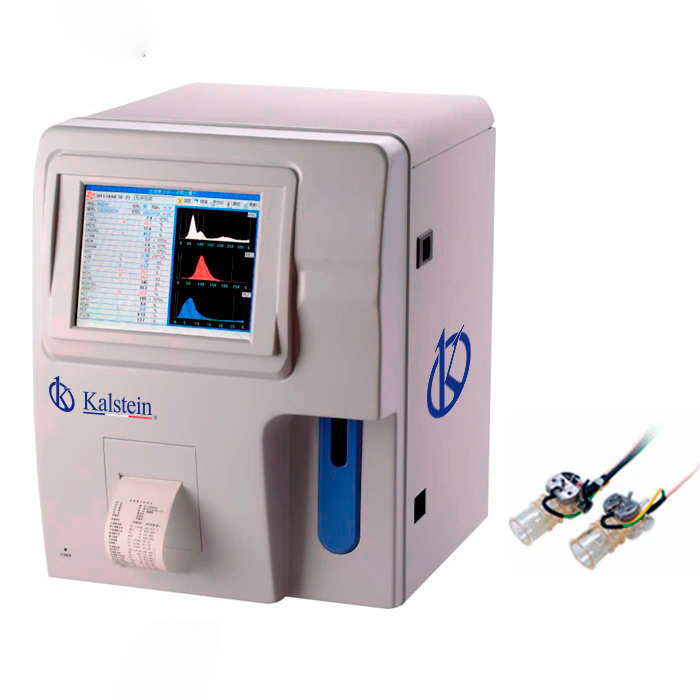
These kits are used for complete blood counts or blood counts, perform a quantitative and qualitative analysis of blood factors such as: red blood cells, erythrocytes, white blood cells, leukocytes, platelets and thrombocytes, are mainly used in laboratories of analysis of medical biology or in hospitals with hematology service.
Urine analyzers: what are they used for?
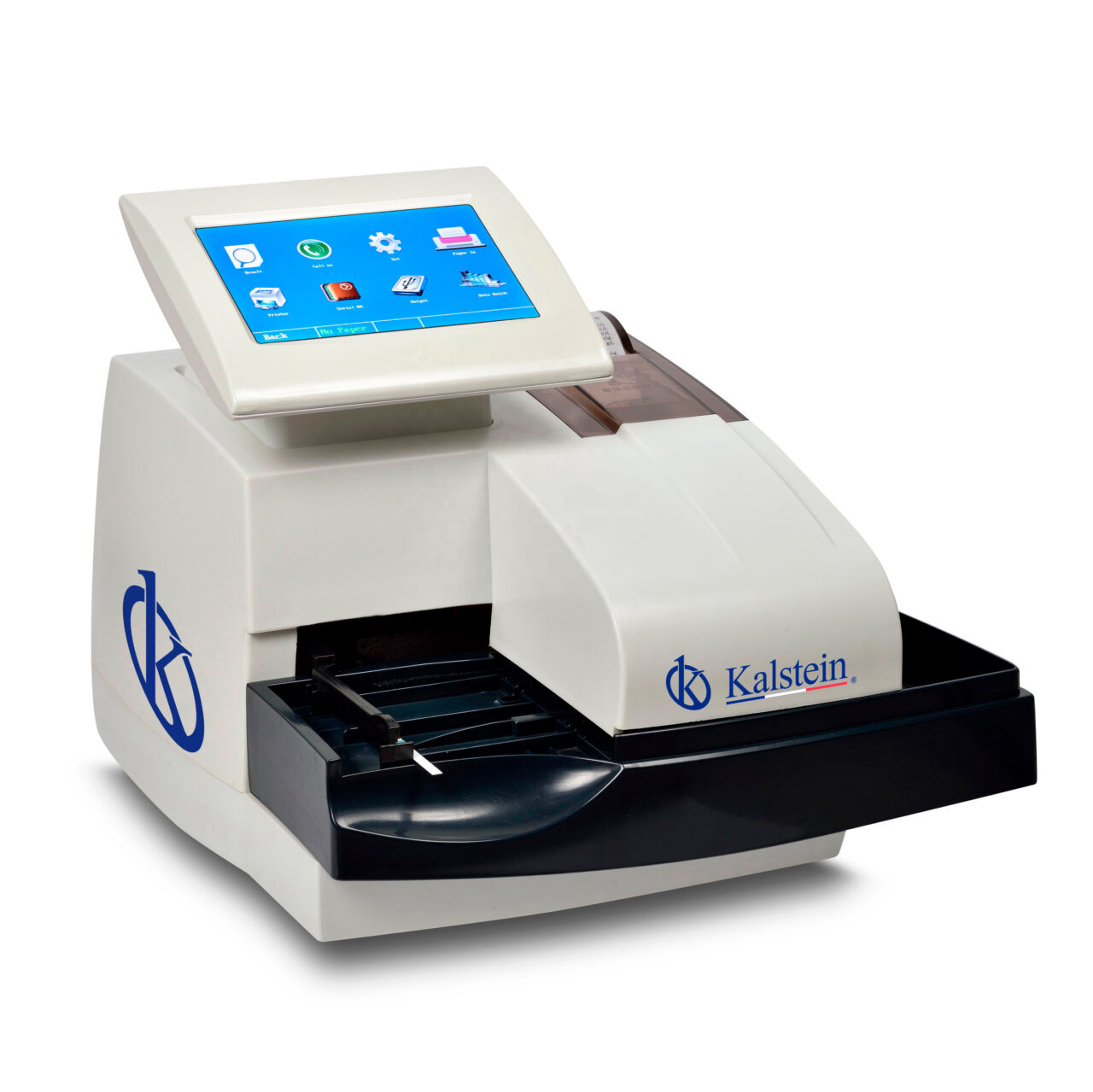
Urine analyzers are laboratory equipment that perform the automated analysis of several essential parameters of urine, allowing the detection of the presence of urinary tract infections, determination of pH, blood and protein loss, as well as evaluating the presence of analytes. such as glucose, ketone bodies, nitrites and bilirubin in urine.
Types of clinical laboratory analyzers

A clinical laboratory is an institution equipped with the necessary means to carry out analyzes that contribute to the study, prevention, diagnosis and treatment of health problems. Thanks to technological advances, clinical laboratories have incorporated in their different areas (biochemistry, hematology, coagulation, urine), high-tech automated equipment that has allowed the delivery of results in less time, with greater precision and accuracy and reducing the number of measurement errors.
Characteristics and maintenance of a Moisture Analyzer?

During the practice of moisture analyzers, it is of great importance, the functions according to the heating efficiency of the samples for the drying processes, together with the maintenance of the equipment for its effectiveness in each of its systems.
When is it necessary to use a Moisture Analyser?

The moisture analyser, is a laboratory equipment designed to accurately determine the moisture content of any sample through drying processes, consists of a weighing unit and a halogen heating unit. It works by integral and special devices that calculate the weighing and heating of the samples. Likewise, the proper configuration and use based on the functionality of the equipment, provide strict sample preparation and handling, as well as the configuration and maintenance of the instruments, can help to respond to a quality moisture analysis.
What are the types of moisture analyzers that exist?

The moisture analyzers work to calculate the moisture content of the matter, have halogen and infrared heating technologies, being methods adapted to the needs of quality control and production of the samples. The halogen analyzer is an evolution of the infrared drying method. The halogen technology is composed of a heating element, which consists of a glass tube filled with halogen gas and its advantage is that the halogen being of smaller volume, the maximum heating level is obtained faster, and provides results with an exceptional level of control and a uniform heat distribution. Infrared energy is not visible to the human eye. Red light is often associated with infrared heat, which is actually red light reflected from the visible spectrum.
Use of Moisture Analyzers for Coffee Production

The drying processes for coffee production are the most used because it allows the conservation of grains, ensuring the elimination of all water contents in the seeds, favoring precision to reduce the growth of fungi and bacteria, and allow storage for long time, preserving the physical quality and conservation of the particular odor.
Why is a moisture analyzer important in a laboratory?
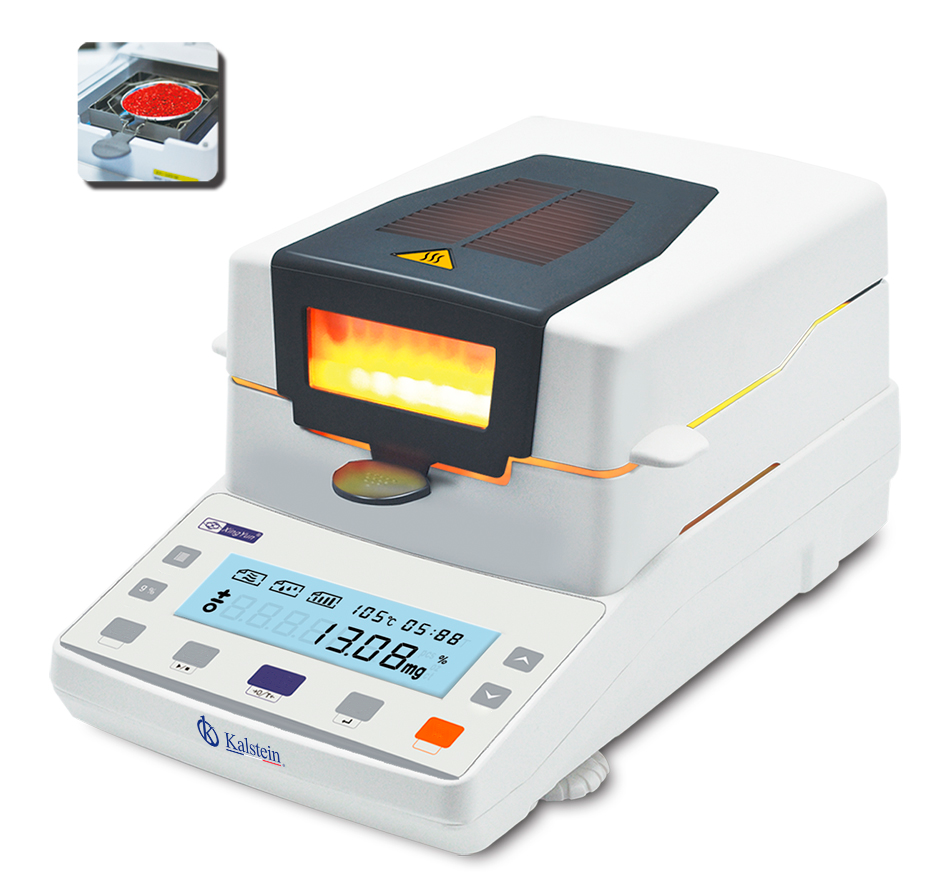
A moisture analyzer is a measuring device that establishes the moisture compensation of a sample. It works with the dry matter method and consists of a weighing unit and a heating unit (infrared).