
What is forensic pathology?
Forensic pathology is a specialty that applies the methods, techniques and knowledge of pathological anatomy and cytopathology in the resolution of judicial or legal problems, carrying out the study of the cause and manner of death through a legal medical autopsy.
Slide Dryer Benefits

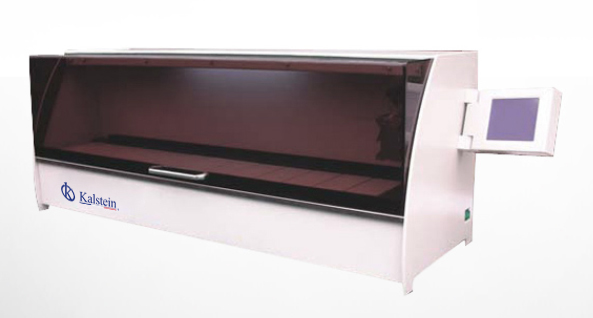
The slide dryer is a useful tool for the study of pathology. It is a device used to fix the slides vertically so that they can be observed more easily. This is especially useful when studying tissue samples under a microscope.
What does a pathologist do? What is a pathology laboratory?

A pathologist is a doctor who specializes in pathological anatomy, a science that studies the pathophysiological and morphological alterations of the disease, that is, it studies the disease from its organic, tissue, cellular, subcellular, and molecular level. This professional is a highly qualified person, with solid theoretical and practical knowledge, which allows him to handle procedures in the investigation of diseases and possible diagnoses.
Processor of tejidos and inclusor of tejidos
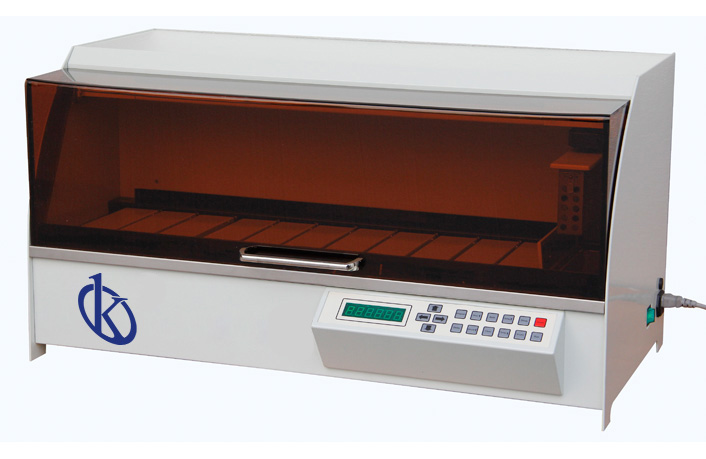
The tissue processor is a piece of equipment used in pathological anatomy and in histology laboratories to remove water from the tissue and so that it can later be replaced by a means by which the tissue can be sectioned.
Pathological anatomy: microtomes and cryostats
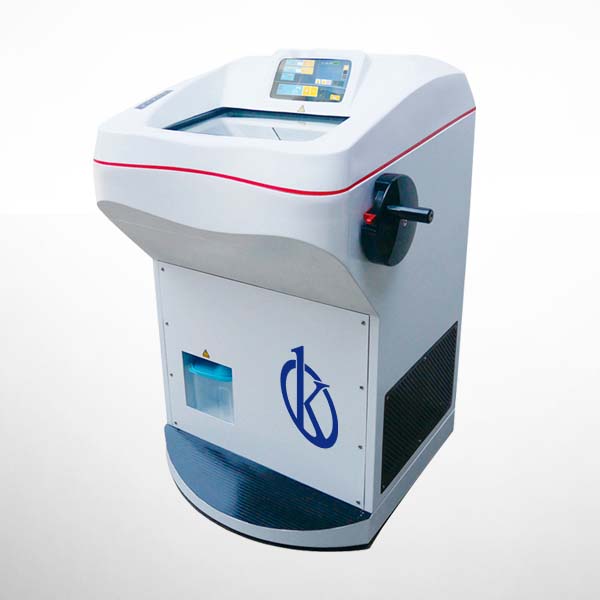
Pathological anatomy is a science that studies the pathophysiological and morphological alterations of a disease. That is, it studies the disease at an organic, tissue, cellular and molecular level. For which it uses highly specialized equipment, among them we have the microtome and the cryostat.
What is a tissue processor in pathology?

Pathological anatomy is the science that is responsible for the study of pathophysiological and morphological alterations of the disease. Like all science, it has a series of specialized equipment to carry out the different studies on which it is based.
What are the equipment used in a pathology labtech?

In a technical laboratory of pathological anatomy different services are performed that perform activities, this service has two major divisions: the area of histopathology that carries out studies of tissue samples of patients, in addition to processing and analysis of biopsies for the diagnosis of diseases or contribute to explain the symptoms of the disease; and the cytopathology area, which is in charge of the study of cytological samples, the best known is the cervical-vaginal cytology; it also includes the analysis of aspiration biopsies and any body fluid such as: pleural, peritoneal, urine, CSF, expectoration, among other samples.
What are the different types of laboratory analyzers that exist?
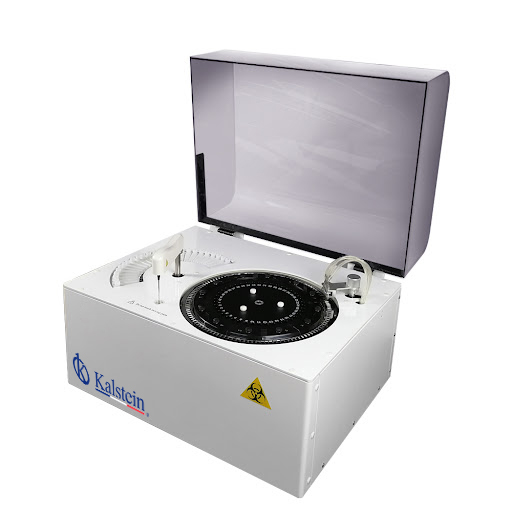
We can find different types according to their applications or operation, and they may even have different names to refer to the same equipment, we can name them as laboratory analyzers, clinical analyzers or simply reagent analyzers.
What are the types of reagent analyzers that exist?
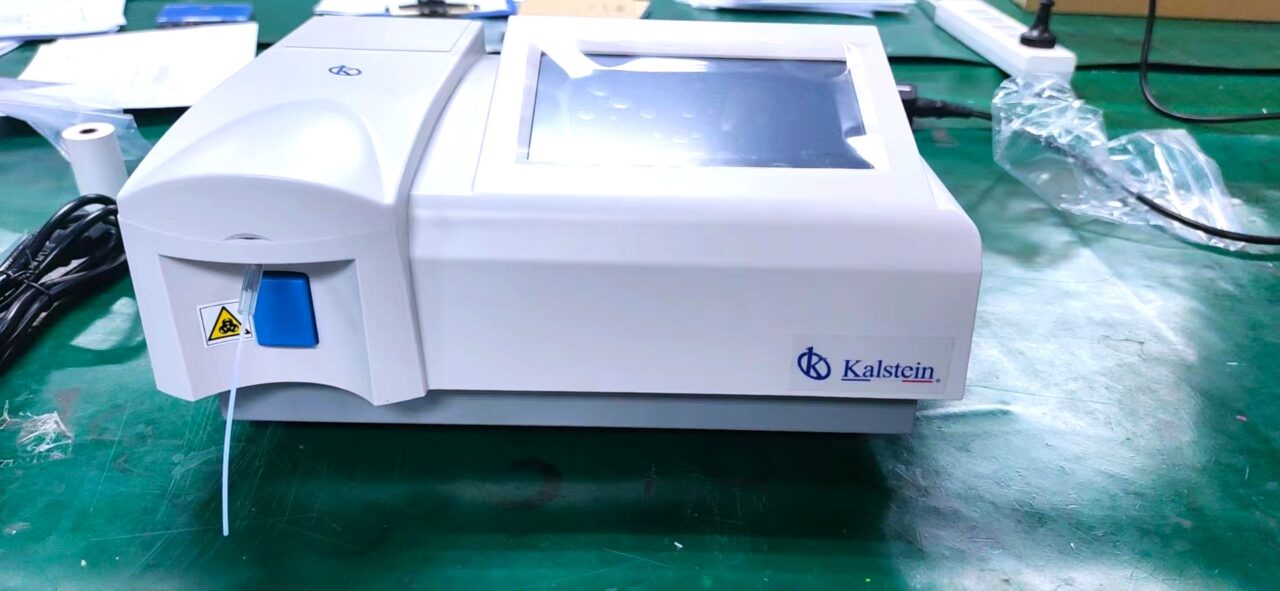
In a laboratory it is really important to understand the usefulness of each equipment, in the case of reagent analyzers, the analyzers are classified according to the tests that are required, the results that are desired to obtain, the automatic analyzers of laboratories, allow to facilitate the functions that are performed in it, the manufacturer of the analyzers is also part of the advantages and guarantees of each device, that is why in KALSTEIN, being manufacturers we guarantee them equipment of excellent quality.
Hematology analyzers and biochemistry analyzers: what are the differences?

The differences between these teams are mainly focused on their applications, being hematology analyzers devices used for tests involving complete blood counts or blood counts, providing a quantitative and qualitative analysis of blood elements; for biochemical analyzers are used to determine metabolites that are present in biological samples, they can be blood or urine.