
Agitators as a path to rationality in clinical procedures

Modern healthcare is at a crossroads: medical staff need to deal with vast numbers of patients on a daily basis more efficiently while at the same time trying to ensure that each patient gets the most appropriate treatment possible.
Improving Sterilization Processes with the Glass Bead Sterilizer Bacticiner in Laboratories

In recent years, many laboratories have opted to use a new device to improve sterilization processes; this innovation is the Glass Bead Sterilizer Bacticiner (BEPV), which allows greater efficiency and safety in the disinfection of biological material, surgical equipment and laboratory instruments, endoscopes, medical equipment or instruments.
Prevention of occupational hazards by means of full steel biological safety cabinet for laboratories

Occupational risk prevention is a vital element for the laboratory industry that handles potentially hazardous biological products; the full steel laboratory biological safety cabinet is a tool that offers the right level of protection for workers and the environment, and is essential to ensure safety.
"Eliminating waste in laboratories: substantial improvements in the washing process with industrial washing machines"

Laboratories produce a large amount of waste every day, some of which can be hazardous to the environment; for this reason, it is extremely important to reduce waste, this can be achieved through the proper use of technology, especially when it comes to washing materials and equipment.
The Glass Bead Sterilizer in Laboratories: A Safety Opportunity

Sterilization of materials in laboratories has become one of the crucial tasks in ensuring the safety of workers and patients; while many laboratories still use traditional methods such as liquid or ultraviolet to sterilize materials, there are many benefits to opting for a glass bead sterilizer.
What are the main key elements that an incubator should have to provide the best care for newborns?
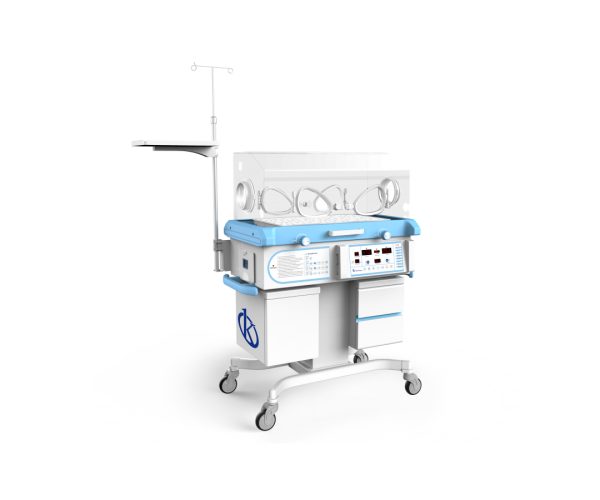
Incubators are special devices designed to provide the best possible care for premature or sick newborns; these incubators are extremely important for the survival of babies and their use has become widespread in recent years due to their effectiveness.
New perspectives in hematology and biochemistry reagent analysis

The analysis of hematology and biochemistry reagents has been a widely used tool for disease diagnosis in clinical practice; in recent years a variety of new perspectives in this area have emerged that are improving the way diseases are diagnosed and treated.
What are the main applications of plasma centrifuges?

Plasma centrifuges are very useful devices, due to their characteristics of high technology and high performance, these machines are used to separate the different components of a mixture of gases, liquids or solids. The first application of plasma centrifuges is the isolation and development of chemicals; this machine can be used to separate complex compounds into their basic components, such as lipids, proteins, salts, alcohols and others.
Use of muffles in the laboratory evaluation

The muffle is an oven used for drying, calcining and casting substances, in addition to control processes. This equipment is a kind of chamber that is made of refractory materials and can only be inserted into it. Clearly, the muffle has as a specific function within the laboratory to reach high temperatures that are of course applied in a variety of uses.
How do the climate chambers adjust to adapt the environment to different experiments?

Climate chambers provide a controlled environment to enable experiments that contribute directly to the advancement of research. These cameras have the ability to adjust pressure, humidity, temperature and ambient levels in a variety of environments for a wide variety of experiments. This versatility is due to the ability of the devices to mold the climate around the scientific concepts of the experiment.