
ICE Maker: different types for hospitals and laboratories
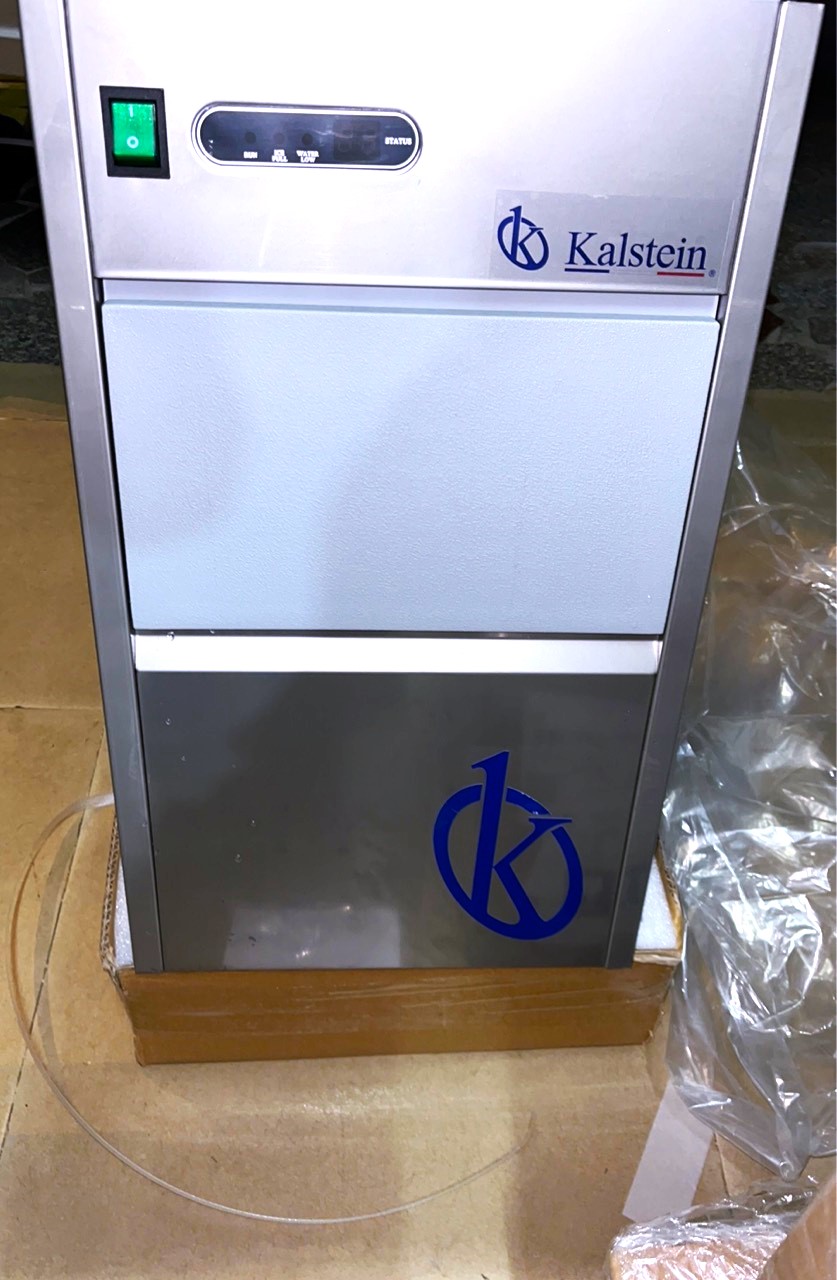
This ice-making machine, its process is based on making ice cubes from moving water, which consequently removes air and suspended solids. This results in ice of great firmness and in very little time.
Water purification for scientific experiments: Applications and uses in the laboratory.

Water purification is one of the essential foundations of scientific research; without purified water, many common and advanced experiments cannot be performed effectively; in this article we will learn how to properly purify water for scientific experiments, and how it can be useful for your research purposes.
Evaluation of the impact of water purifiers on the processing of scientific experiments in laboratories.

Water cleanliness is an essential part of scientific experiments, especially in laboratories; proper water purification ensures that the water is free of microscopic organisms, chemical impurities and other contaminants.
The true importance of viscometers for producing large-scale products

Viscometers are a valuable tool for manufacturers of large-scale products. It is a scientific measuring instrument that is used to measure the viscosity of a liquid. Viscosity refers to the resistance to flow of a liquid when it is subjected to an external force. This makes viscometers an invaluable tool for controlling and ensuring the quality and consistency of products on a large scale.
Controlling the quality of Hematology reagents

Hematology reagents are important for the performance of diagnostic tests; the quality of the reagents should be observed consistently to be sure of obtaining accurate results, such quality includes reactive stability and control to ensure values within allowable limits.
Blood Reagent Test Interpretation: Facilitating Disease Diagnosis

The interpretation of blood reagent tests is an important tool for physicians to help diagnose disease. It is an effective way to determine the presence or absence of particular pathologies in order to determine the appropriate treatment for the patient. Interpretation of blood reagent test results is also a key element for preventive testing and follow-up of patients with chronic diseases.
Advantages of water purification system in the laboratory

The repeatability and accuracy of a laboratory’s analytical results depends on the reliability of the pure water it uses. Water purity requirements vary depending on the equipment being used or the analysis being performed. This means that, for each experiment, the purity and conductivity of the water must be rigorously taken care of.
What types of fluids are measured with viscometers?

Viscometers are devices used to measure the viscosity of a fluid, which is a measure of its resistance to flow. These devices can measure the viscosity of a variety of fluids such as: lubricating oils, lubricating additives, industrial lubricants, fuels, cooling fluids, hydraulic fluids, anti-friction fluids, detergents, chemicals, resins and varnishes. Viscosity is a basic and fundamental physical property that regulates the influence of fluids on a variety of applications and devices.
The advantages of modern laboratory furniture
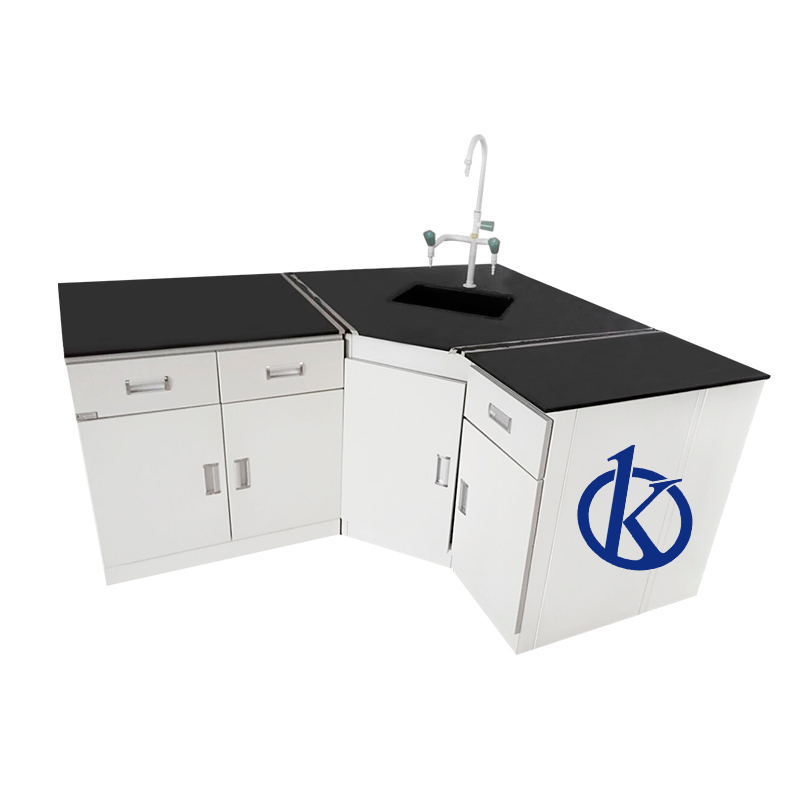
Modern laboratory furniture is created with the aim of providing a safe, comfortable and efficient environment for science and research professionals; this furniture allows us to have state-of-the-art working environments, provided with resources that optimize the workflow.
Are there restrictions on the volume of fluid that can be analyzed with an automatic blood chemistry analyser for the laboratory?

There are restrictions on the volume of fluid that can be analyzed with an automatic blood chemistry analyser for the laboratory, because these devices are designed to process small amounts of it. This is because the automatic blood chemistry analyser is very sensitive laboratory equipment, so it is important that small amounts are processed to avoid the risk of excess blood chemistry, which can affect the results of the analysis.