
What are the dental instruments that are sterilized with the Gas autoclave
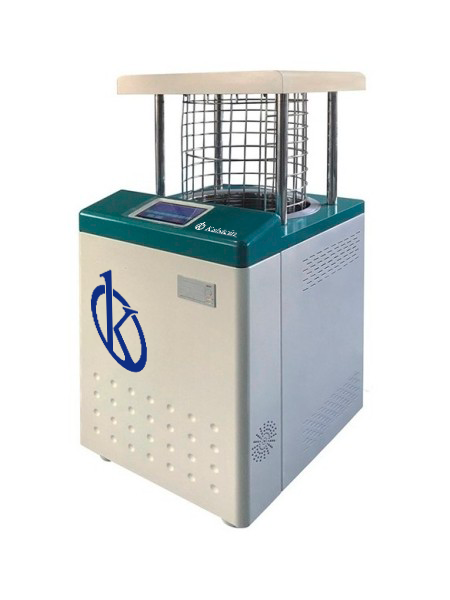
Sterilization is defined as the process by which any microorganism, including bacterial spores, is completely destroyed in a material or instrument. It can be achieved through the use of different methods, but the most commonly used in the field of dentistry, is wet heat sterilization, which is done by using an autoclave.
What are the differences between N-type and B-type autoclaves?
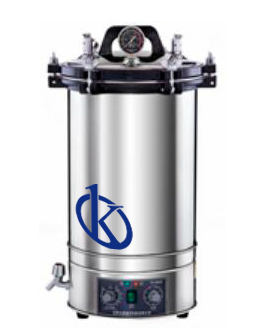
An autoclave is a cylindrical instrument, vertical or horizontal, designed to work with a high internal pressure, and used to sterilize materials and instruments using water vapor at high pressure and temperature. This equipment consists of a metal container with thick walls and hermetic closure, which allows sterilizing under high pressure, ensuring maximum disinfection of all clinical, laboratory, and dental materials.
How does the Gas Autoclave for Food Conservation work?
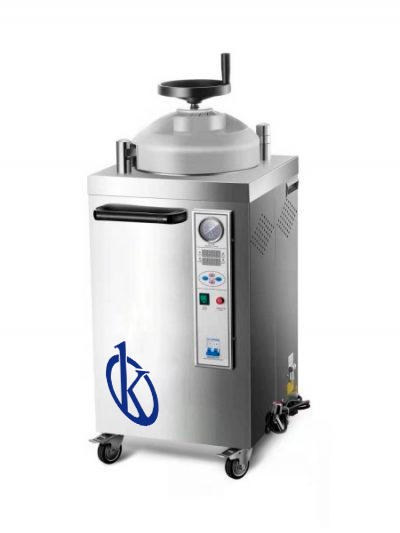
The autoclave is a hermetic equipment designed to withstand high pressures and temperatures in the disinfection at commercial level of glass, metal and plastic containers, conditioned for the food sector, laboratory, pasteurization and sterilization of finished products.
Dental autoclaves: How to choose the right one?
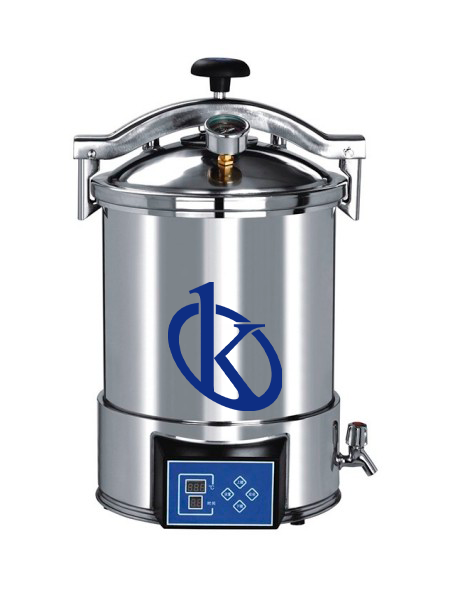
Sterilization of dental instruments. It is a very important factor in dental clinics. This important process is carried out by dental autoclaves, equipment that allows sterilization using steam at high pressure and temperature.
What is an autoclave with drying?
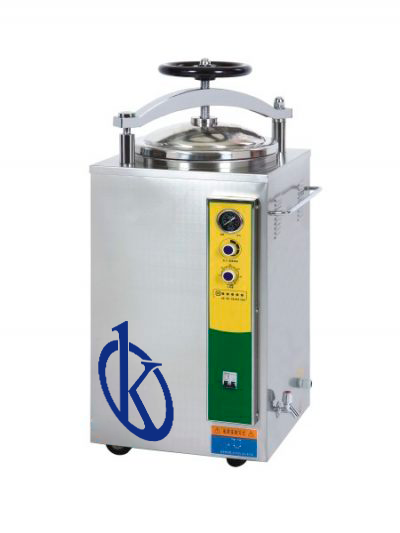
An autoclave is essentially a pressure vessel that uses steam pressure as a sterilizing agent. By increasing the pressure (above atmospheric pressure) the steam can reach higher temperatures. The additional pressure increases the boiling temperature of the water. Actually, about 20 ° C more. This effectively increases its heat content and its ability to kill. This comes from its latent heat of evaporation.
What is an autoclave?
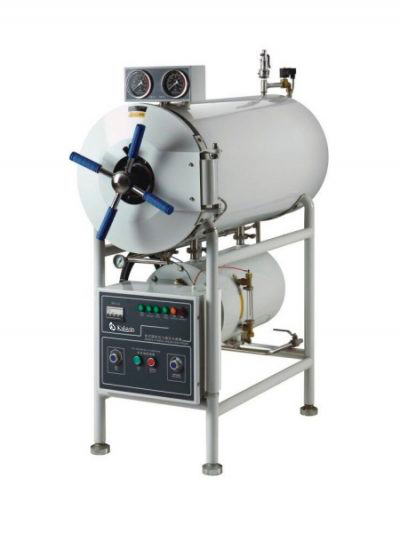
An autoclave is a piece of equipment used to sterilize medical or laboratory material, using steam under pressure and temperature as sterilizing agents. This makes it possible to eliminate any trace of viruses, bacteria, fungi and spores in the materials, liquids or solids that are placed inside.
Autoclaves: what are its parts and maintenance required?
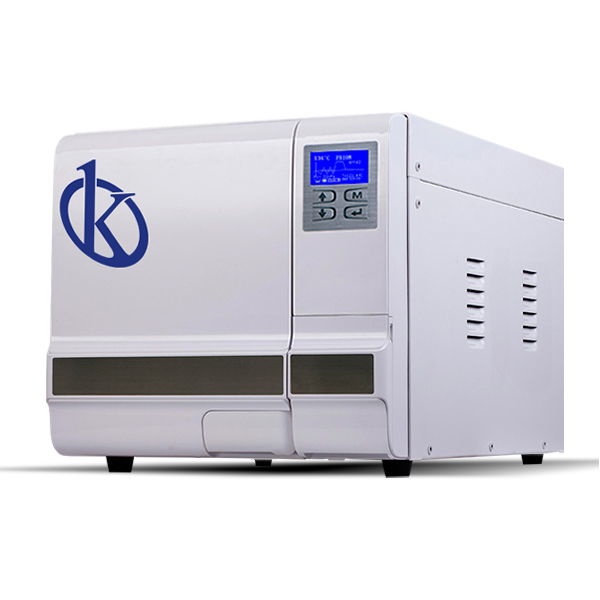
This equipment is indispensable in laboratories, clinics and surgical centers, as it is a fast, compact, versatile sterilizer; It is designed with high technology and cost-effectiveness, while offering operational efficiency and easy maintenance; the advantages of the autoclave lie mainly in the detoxification and sterilization of the material used in surgical treatments or research material; its primary function is as a sterilizing agent by treating water vapor at high temperature to destroy any microorganism found in the material.
Maintenance of an electrosurgical unit

The electrosurgical unit is a medical equipment that uses heat-generating electrical phenomena; to achieve effects such as clotting, flushing, drying or cutting tissues, depending on the action desired by the medical operator. This is achieved, thanks to heat production by the passage of an oscillatory electric current, concentrated in a small area.
Thermal characterization of electrosurgical units
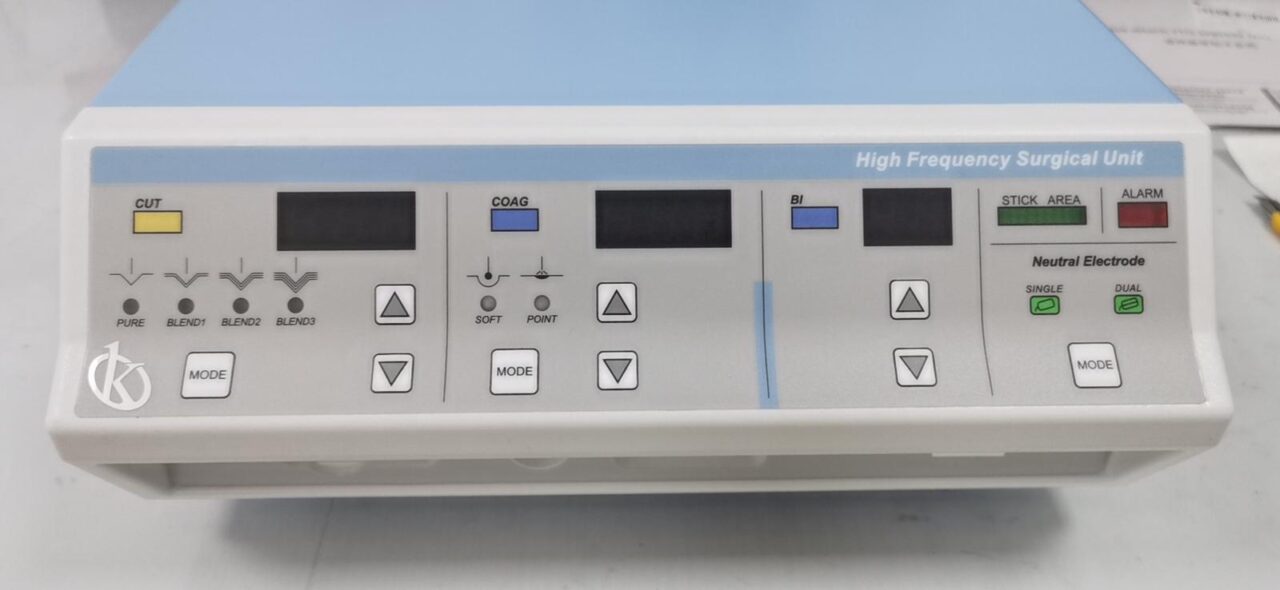
Thermal characterization is a highly complex and vital process for the correct functioning of an electrosurgical unit, this technique is used to evaluate and improve the thermal performance of the components of the electrosurgical unit and thus ensure its optimal functioning.
Evaluation of the reliability of the use of electrosurgical units in clinical practices
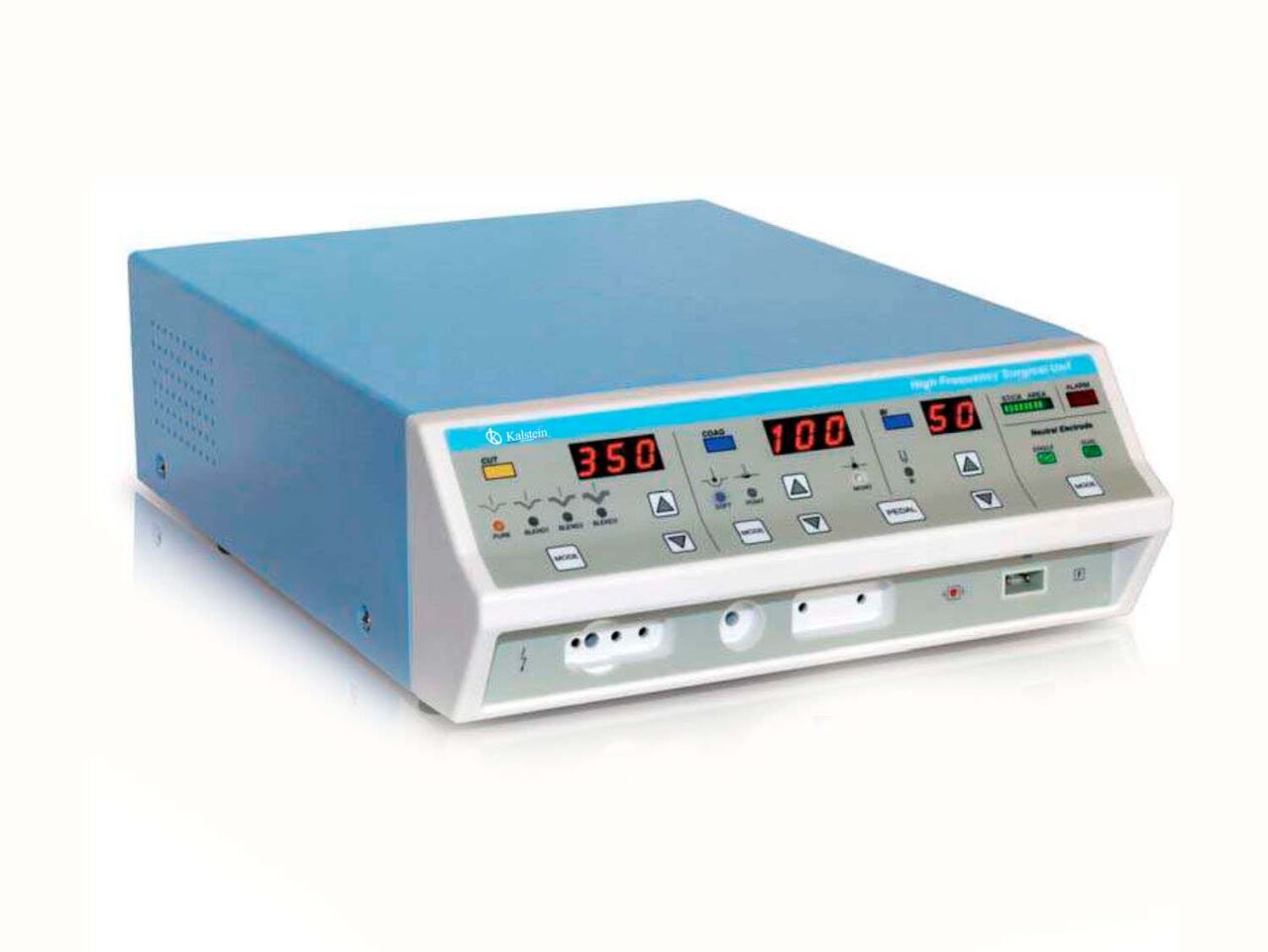
Reliability has been a hot topic in the field of medicine. The invasion of digital technology in clinical practice in recent years has caused an immense need to assess the reliability of these systems, one of the most important areas in which reliability needs to be checked is in the use of electrosurgical units in the control of surgical bleeding.