
Expert Tips for Efficient Use of the Total Organic Carbon Analyzer
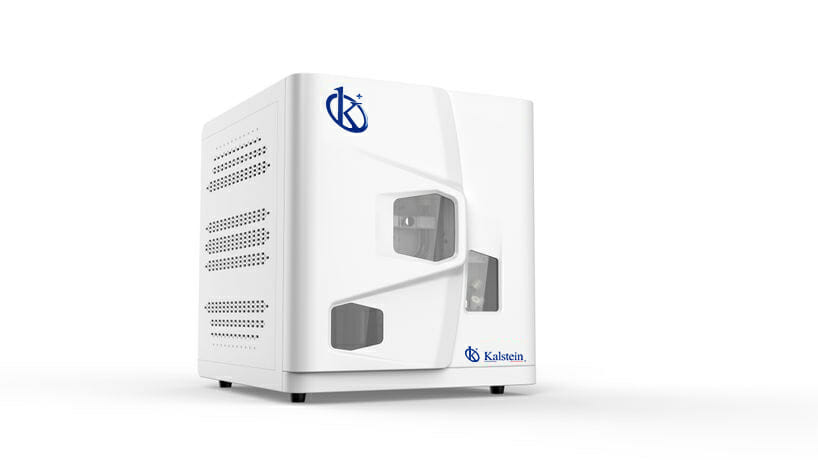
Accuracy and efficiency in scientific and environmental analyses are critical to ensure reliable and meaningful results. Among the many tools that facilitate these analyses, the Total Organic Carbon (TOC) Analyzer plays a pivotal role. This sophisticated tool is capable of measuring the total amount of carbon in an organic compound, which is critical in multiple scientific and environmental fields. In this article, we will explore expert tips for efficiently using a Total Organic Carbon Analyzer.
Water Distillation Technology: Its Importance in Laboratories and Hospitals

Water distillation is a vital process in both laboratories and hospitals. This procedure, carried out by water distillers, separates impurities and removes contaminants from water, guaranteeing its purity and ensuring that it is safe for use in these important institutions. In this article, we explore the relevance and indisputable value these devices possess in critical environments.
Operation and Benefits of Water Distillers in the Medical Laboratory

The precise operation of a medical laboratory depends to a large extent on the accuracy and reliability of its equipment. Among these, water distillers occupy a central place, although they are often underestimated. Water distillers are fundamental devices used to purify or decontaminate water, removing its impurities and providing an essential resource for various investigations and procedures.
Discovering Water Distillers: A Vital Tool for Medical Laboratories

In medical laboratories, accuracy and quality of results are of paramount importance. To ensure this, reliable tools are required to obtain pure, high-quality water samples, which is crucial for accurate scientific testing. Among these tools, water distillers play a fundamental role in generating purified water for use in different laboratory processes.
The Impact of Laboratory Furnishings on Clinical Discovery

The successful performance of experiments fulfills even half of a laboratory’s potential. To fully achieve this capability, a well-designed, high-quality infrastructure, particularly laboratory furniture, is required. This written piece summarizes how suitable laboratory furniture not only improves the efficiency of operations in a clinical laboratory, but also enhances clinical findings and outcomes.
Impact of Technological Modernization on Medical Laboratories

Modern medicine and healthcare rely heavily on laboratory research. Deducing the cause of a symptom, identifying diseases, developing and refining treatments, is achieved through complex scientific processes that take place within research facilities. This is where modern laboratory equipment plays a critical role in transforming medicine from its conventional state into an essential pillar of global healthcare.
The importance of the evolution of laboratory furnishings
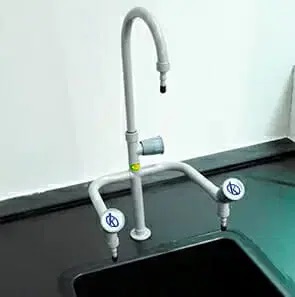
In medical laboratories, every detail counts. Any attempt to advance medical and scientific practice relies, to a large extent, on the resources with which professionals work. Among these resources, laboratory furniture is one of the most essential and, at the same time, one of the most underestimated. However, recent advances in this area are beginning to underline its importance.
Using Water Baths to Conserve Serologic Tests
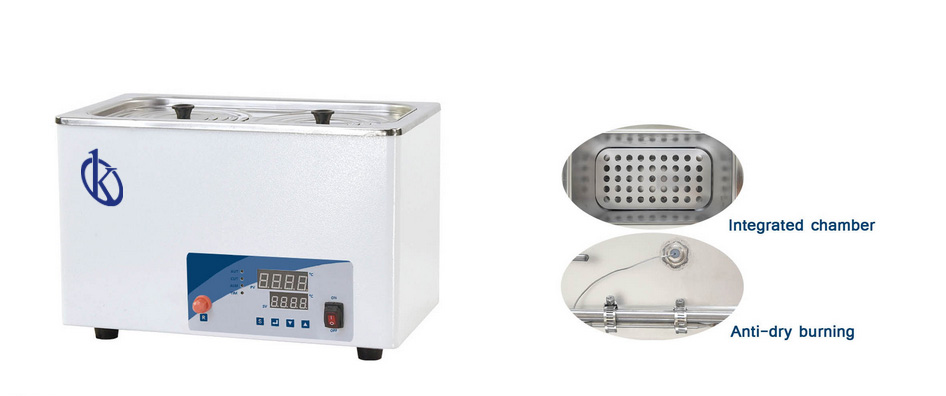
Biopreservation is the science of protecting biological samples for future use. Samples may be retained for a variety of reasons, including scientific research, legal evidence, or historical record. There are many different ways to store samples, but one of the most common ways is to use water baths.
Laboratory Water Baths: Uses and types
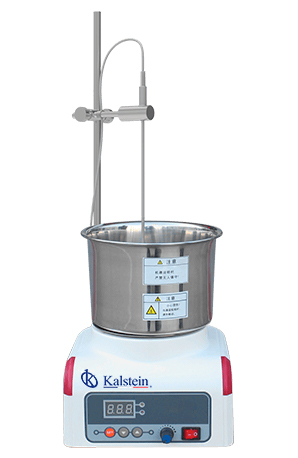
A water bath is a laboratory equipment consisting of a container filled with hot water, used to incubate samples in water at a constant temperature for a long period of time.
Recirculation baths and Mary’s baths: What are their differences?
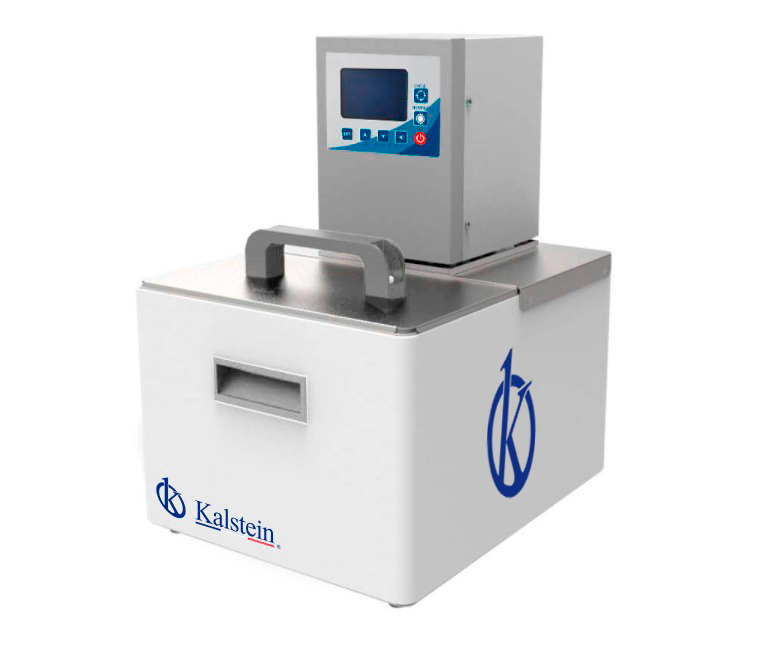
A recirculation bath is a laboratory device, consisting of a water bath with a built-in water recirculation pump, an ideal equipment for any application where the placing of several samples in a water bath is required, these equipment provide a constant and reliable temperature, and work by mobilizing the liquid while providing the set temperature. They can be used together with other laboratory equipment, for example, to maintain the temperature of a water jacket, or for a rotary evaporator.