
Optimizing the Use of Dialysis Solutions: A Guide for Healthcare Professionals
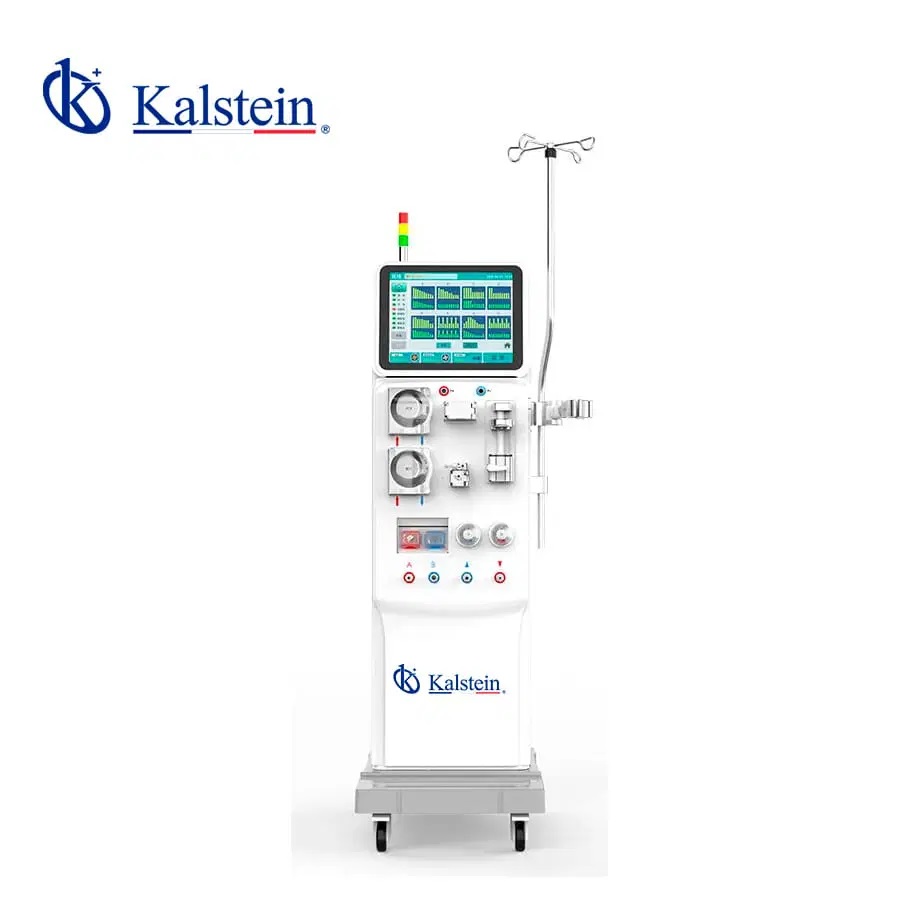
Hemodialysis is an essential procedure in the treatment of patients with chronic kidney failure. Hemodialysis machines are devices design to filter and purify the blood of these patients, replacing the kidney’s function by removing waste and excess fluids from the body. These machines have become indispensable tools in hospital and clinic dialysis units, and choosing the right machine can significantly impact the quality of treatment provided.
Hemodialysis Machine Monitoring Systems: Real-Time Accuracy and Safety
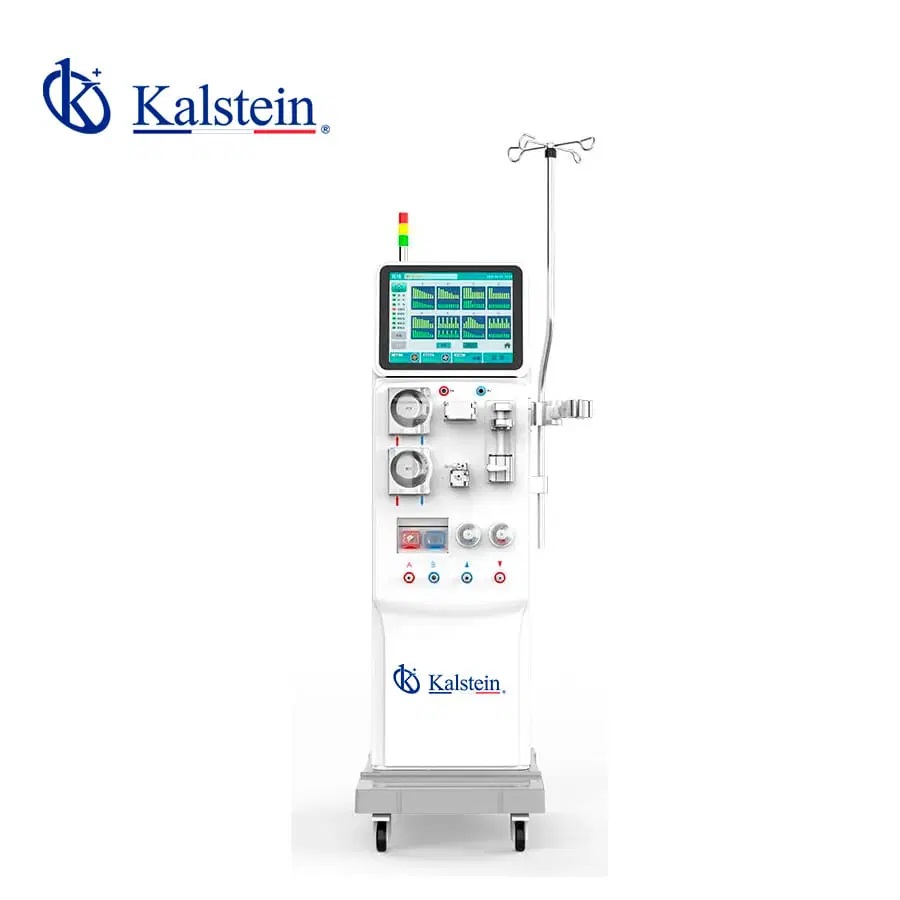
Hemodialysis machines are critical medical devices use in the treatment of chronic renal failure. These machines are responsible for filtering and purifying the blood of patients, removing waste, salts, and excess fluids when the kidneys can no longer perform these functions effectively. In this process, the patient’s circulatory system is connected to the device via tubes, where the blood passes through a dialyzer or “artificial kidney.” This machine is essential to maintaining the chemical balance of the blood, allowing patients with kidney failure to maintain an acceptable quality of life.
New Developments in Hemodialysis Machine Accessories: Enhancing Patient Comfort
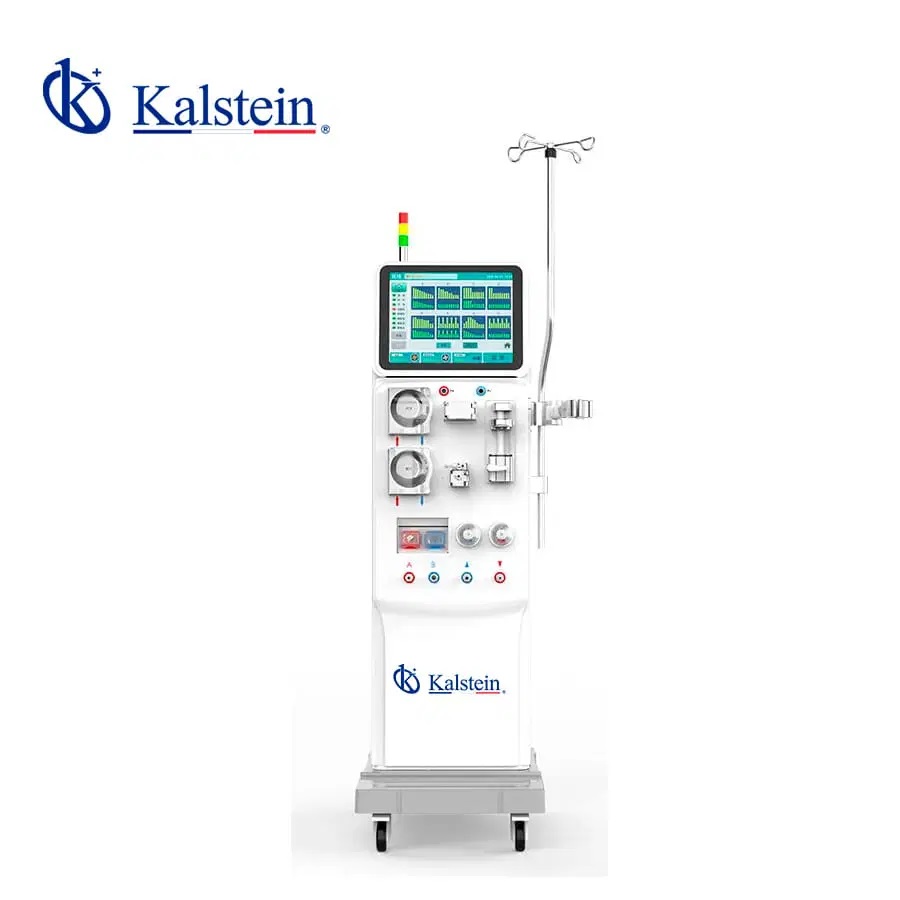
The technology in the field of hemodialysis has advanced significantly in recent years, aiming not only to improve the efficacy of treatment but also the comfort and safety of patients.
Continuous Hemodialysis Technology: Benefits in Intensive Care
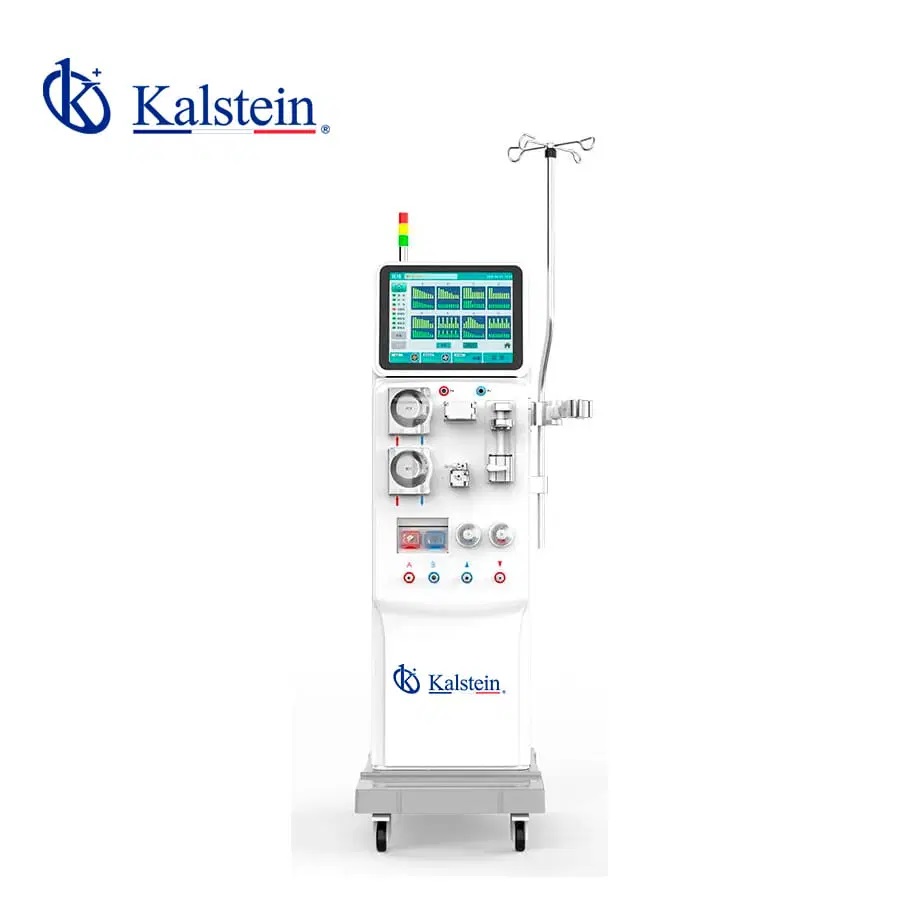
The hemodialysis machine is an essential tool in the treatment of patients with kidney failure. This device enables the removal of toxins, salts, and excess fluid from the blood, functions that the kidneys cannot effectively perform in people with renal insufficiency. In this context, the hemodialysis machine acts as an artificial kidney, purifying the blood and significantly improving the quality of life for patients.
Latest Trends in Hemodialysis Filters for Efficient Purification
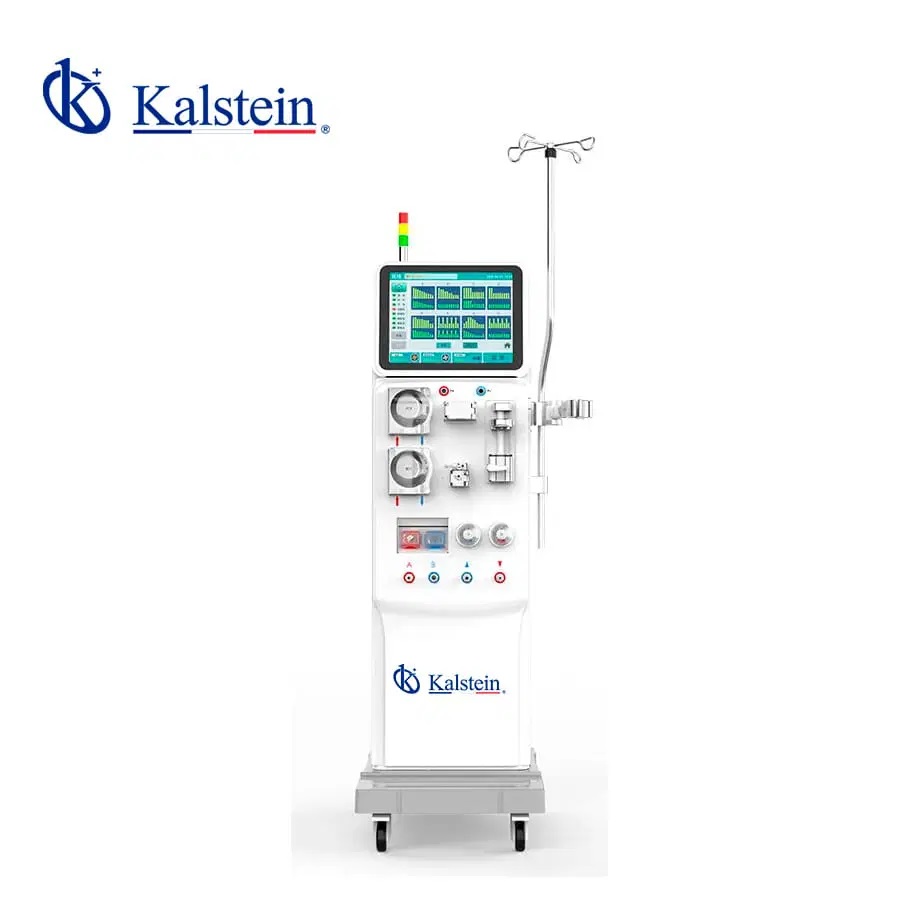
Hemodialysis is a vital procedure for patients suffering from kidney failure. This treatment, which purifies the blood using specialized machines, is essential for improving the quality of life and prolonging the life expectancy of millions of people worldwide.
High Technology in Animal Care: Precision Veterinary ICU Units

The intensive care of animals is a constantly evolving field, and technology plays a key role in optimizing these processes. In this context, Kalstein’s Veterinary ICU Units have become an essential element in ensuring the best possible care for veterinary patients.
Veterinary ICU Units: The Technological Answer for Critical Cases
In veterinary care, the need to provide high-quality intensive care is crucial to improving the recovery of patients in critical condition. Veterinary Intensive Care Units (ICU) have proven to be a vital tool for ensuring the stability and constant monitoring of animals requiring specialized care.
Intensive Care of the Future: Next-Generation Veterinary ICU Units
Veterinary ICU Units have revolutionized how intensive care is managed for our pets and animals. Having worked closely with such units, I can affirm that they represent a significant shift in emergency animal care. These units are designed to offer a controlled and safe environment that allows veterinarians to provide the best possible care to their patients, regardless of how critical their condition may be.
Smart Solutions for Veterinary Emergencies: Advanced ICU Units
As a professional in the veterinary field, I’ve had the opportunity to work with various equipment designed for intensive animal care. One product that has transformed care in critical situations is the Veterinary ICU Units. These units are designed to provide a controlled and safe environment for animals that require intensive care, allowing veterinarians and technicians to monitor and treat patients more effectively.
Veterinary ICU Units: Where Innovation and Animal Care Come Together
Veterinary Intensive Care Units (ICUs) have evolved significantly in recent years, integrating advanced technology with a focus on animal welfare. By working with these units, I have seen firsthand how they have become an essential piece for veterinary clinics and hospitals looking to offer the best possible care to their patients.