
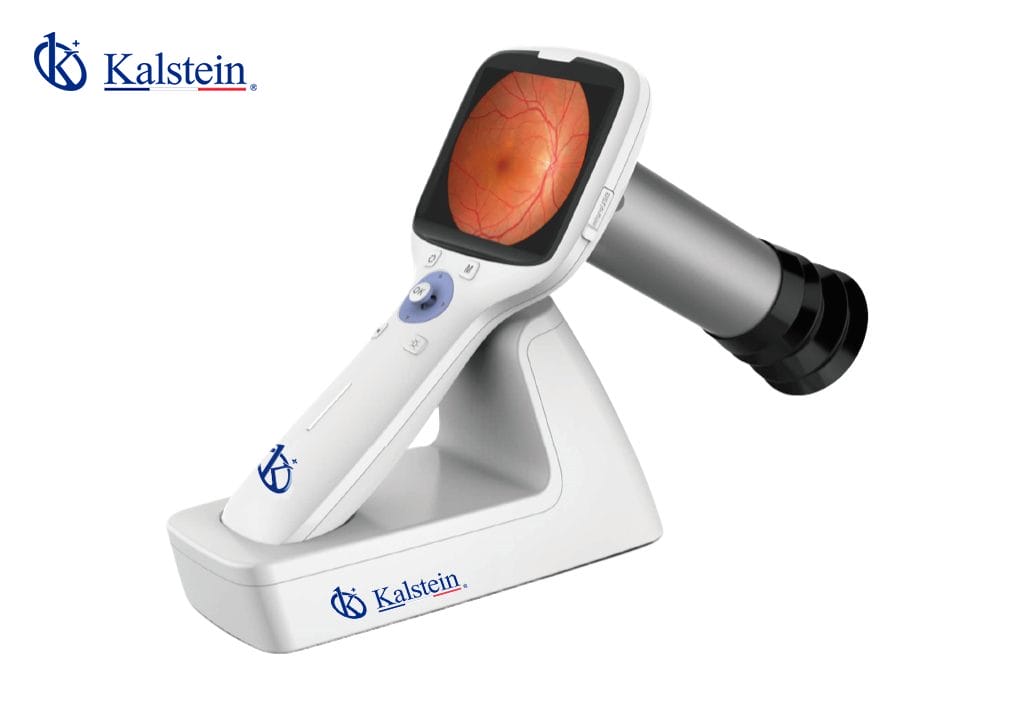
Kalstein Veterinary Fundus Camera: Pioneering Visionary Solutions
In the dynamic world of veterinary medicine, having the right diagnostic tools is crucial for ensuring the health and well-being of our beloved animals. As an industry leader, Kalstein has made significant strides by designing a sophisticated veterinary fundus camera that not only meets but exceeds the expectations of modern veterinary professionals.
For those unfamiliar, a veterinary fundus camera is an essential tool used to capture detailed images of the retina. This device is invaluable in diagnosing conditions related to the eye and beyond, offering insights that are crucial for establishing effective treatment plans. But what sets the Kalstein model apart is its blend of advanced technology and user-friendly features, making it a game-changer in veterinary diagnostics.
Features of the Kalstein Veterinary Fundus Camera
The defining characteristic of the Kalstein veterinary fundus camera is its impeccable image quality. Thanks to its state-of-the-art imaging software, this device can deliver high-resolution images that provide clarity and accuracy necessary for precise diagnostics. This is particularly beneficial for detecting subtle retinal changes that might indicate underlying health conditions.
Another noteworthy feature is the camera’s ergonomic design. Its lightweight body and intuitive interface allow for easy handling and operational comfort, minimizing strain during lengthy examinations. This ensures that veterinarians can focus entirely on diagnosis without being hampered by cumbersome equipment.
Different Types or Models of the Veterinary Fundus Camera
Kalstein understands that no two veterinary practices are the same, which is why they offer various models to suit different needs. Each model is equipped with customizable options that allow users to tailor the camera to their specific demands, whether it’s for a small veterinary clinic or a larger animal hospital.
There are portable versions intended for veterinarians on the move, ensuring that even fieldwork can benefit from advanced diagnostic capabilities. Meanwhile, the stationary models are perfect for clinic settings, offering stability and comprehensive functionality for detailed examinations.
Why Does the Veterinary Fundus Camera Have This Price?
When discussing pricing, it’s important to consider the intricate technology and research that go into the development of the Kalstein veterinary fundus camera. Each unit is a culmination of advanced optical systems, cutting-edge imaging technology, and robust construction. The price reflects not only the production costs but the immense value it provides in clinical settings.
Moreover, investing in a Kalstein camera pays off long-term because it significantly enhances diagnostic accuracy, leading to better patient outcomes. This value proposition justifies its pricing compared to less advanced tools, as it helps streamline operations and enhances the overall quality of care.
Comparison of the Veterinary Fundus Camera with Similar Products
When comparing the Kalstein veterinary fundus camera to similar products on the market, such as those from Canon, TopCon, and Reichert, Kalstein’s offering stands out for its superior image quality and ergonomic design.
Canon and TopCon cameras feature high-quality imaging but often come with a steeper learning curve. In comparison, the Kalstein camera’s intuitive interface makes it more accessible, particularly for those new to these tools. Meanwhile, Reichert offers robust, stationary models that are comparable in terms of performance, yet they may lack the portability options available from Kalstein.
Pros and Cons of the Veterinary Fundus Camera
| Pros | Cons |
|---|---|
| High-resolution imaging capabilities | Higher initial investment |
| Ergonomic and user-friendly design | Requires regular maintenance |
| Portable and stationary models available | Potential need for staff training |
| Advanced diagnostic features | Limited to eye-related diagnostics |
| Customizable settings for various needs | Some models may require electricity |
| Durable and reliable construction | Software updates required periodically |
| Enhances diagnostic accuracy and speed | |
| Minimizes operational strain |
Benefits of Using These Veterinary Fundus Cameras
The benefits of integrating a Kalstein veterinary fundus camera into your practice are manifold. Primarily, it allows for non-invasive, accurate diagnoses that can detect early signs of diseases, potentially preventing conditions from worsening. This timely intervention is crucial for ensuring better health outcomes for animals.
Furthermore, the camera promotes a more efficient workflow within veterinary practices. Its dependable performance underlines a smoother diagnostic process, allowing for a higher volume of examinations without compromising on quality. This efficiency not only improves patient care but also boosts the clinic’s reputation for advanced, modern services.
Other Advantages of the Veterinary Fundus Camera
Besides the outlined benefits, the Kalstein veterinary fundus camera supports continuous education and data sharing. Veterinarians can easily record and share findings with colleagues or specialists, promoting collaboration and second opinions that can be vital for challenging cases.
Additionally, the camera’s robust build ensures it withstands the demands of day-to-day veterinary work. Its resilience and low maintenance requirements mean that it’s a long-term investment that reliably supports clinical operations.
User Testimonials on the Veterinary Fundus Camera
The feedback from users of the Kalstein veterinary fundus camera is overwhelmingly positive. Dr. Emma Sullivan, a leading veterinary ophthalmologist, praises the device for its “unmatched clarity and ease of use,” emphasizing how its features have streamlined her diagnostic process.
Veterinarian Mark Jensen echoes these sentiments, noting that “the portable model revolutionized fieldwork diagnostics, allowing for quicker and more accurate on-site assessments.” These testimonials validate the camera’s impact across diverse veterinary settings.
Frequently Asked Questions
What is the primary function of a veterinary fundus camera?
A veterinary fundus camera is primarily used to capture detailed images of the eye’s retina, which assists in diagnosing various ocular and systemic conditions.
How does the Kalstein veterinary fundus camera improve diagnostic accuracy?
With its high-resolution images and advanced imaging software, the camera enhances the ability to spot even minor retinal changes, crucial for early and accurate diagnosis.
Are there portable options available for veterinarians who travel frequently?
Yes, Kalstein offers portable models of the veterinary fundus camera, perfect for fieldwork or mobile veterinary services, ensuring high-quality diagnostics on the go.
What kind of maintenance is required for these cameras?
The cameras are designed for durability, requiring minimal maintenance—just regular cleaning and software updates to ensure peak performance.
Can the camera connect with other devices for sharing data?
Yes, it features connectivity options that allow data sharing and collaboration, making it easy to consult with colleagues or engage in remote diagnostics.
Is training needed before using the Kalstein veterinary fundus camera?
While the camera is user-friendly with an intuitive interface, some basic training is recommended to fully utilize its advanced features effectively.
Final Recommendations about the Veterinary Fundus Camera
In conclusion, investing in a Kalstein veterinary fundus camera is a decision that propels any veterinary practice into the forefront of animal healthcare. This tool not only enhances diagnostic accuracy but also adds value in terms of efficiency and elevated patient care standards. Whether for a stationary clinic or for field use, this camera is a testament to Kalstein’s commitment to innovation and quality. For more information, visit https://kalstein.nl/category-product/veterinary-sector/veterinary-fundus-camera/.