
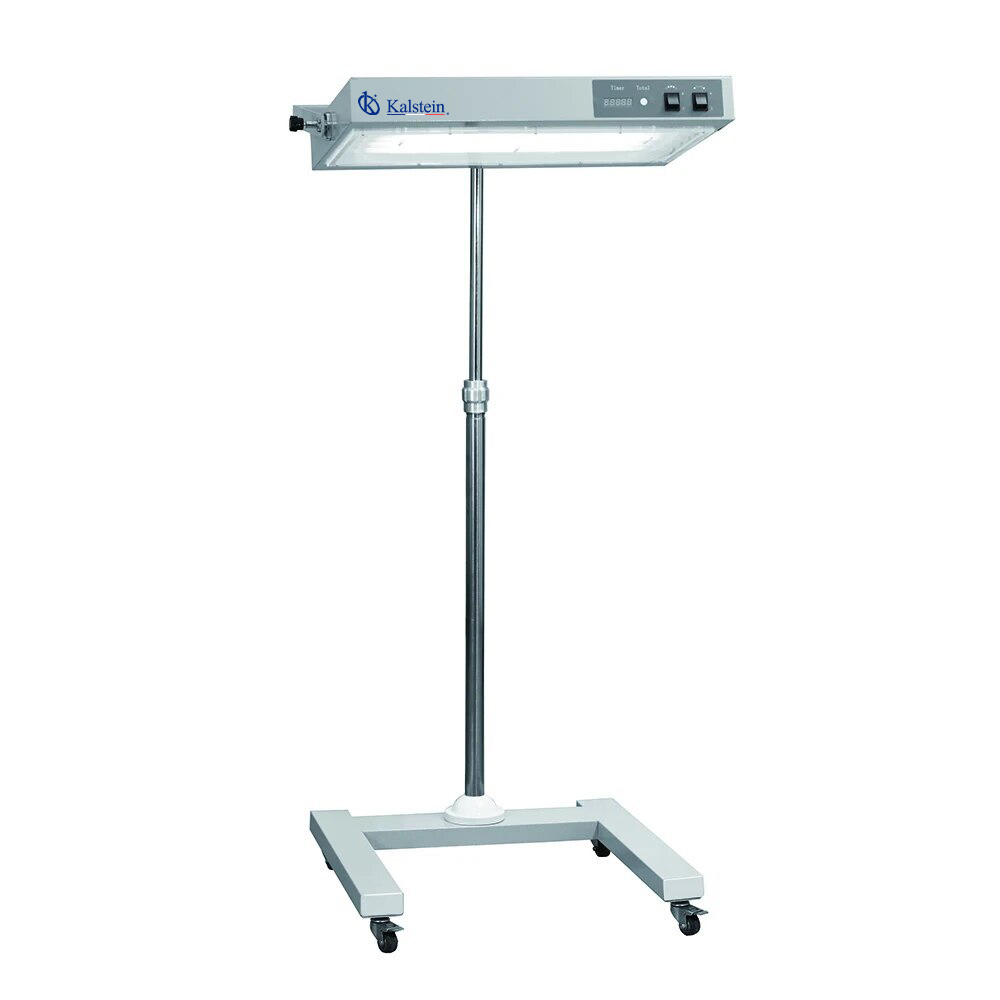
Infant Bilirubin Phototherapy Unit, Kalstein Edition
As someone who has explored the transformative power of the Infant Bilirubin Phototherapy Unit by Kalstein, I find it incredibly fulfilling to witness how this medical equipment contributes to neonatal care. Our journey with phototherapy began with the understanding that newborn jaundice is a common condition, where newborns exhibit high levels of bilirubin due to the immature liver’s inability to process it effectively. Kalstein’s phototherapy unit has been pivotal in addressing this condition safely and effectively.
Kalstein has a reputation for producing reliable medical equipment, and their Infant Bilirubin Phototherapy Unit is no exception. This machine uses light to break down bilirubin in a newborn’s body, enabling its excretion and reducing the risk of neurological damage or other complications. With its easy-to-use interface and consistent output, it has truly become a cornerstone in neonatal departments around the world.
Features of the Infant Bilirubin Phototherapy Unit
The Kalstein Infant Bilirubin Phototherapy Unit stands out for its remarkable features tailored to meet the needs of both healthcare providers and infants. The machine is designed with a focus on safety and efficiency, incorporating high-intensity LED lights that are proven to expedite bilirubin breakdown. Furthermore, these LED lights are energy-efficient and have a significantly longer lifespan compared to traditional light sources.
Another important feature is the unit’s adjustable light intensity and the wavelength specification, which ensures that the treatment is both safe and effective for infants of different needs. The intuitive controls allow healthcare professionals to customize the phototherapy process, which results in optimal care and treatment outcomes.
Different Types or Models of the Infant Bilirubin Phototherapy Unit
Kalstein offers a variety of models suited for different medical settings and needs. Each model of the Infant Bilirubin Phototherapy Unit is engineered with specific capabilities and enhancements to cater to different clinical environments—from small clinics to large hospitals.
The model lineup includes portable units, which are ideal for smaller facilities or homecare settings, to more advanced, integrated systems designed for high-volume medical centers. All models maintain the core function of effective bilirubin reduction while offering flexible configurations to suit different space and resource constraints.
Why is the Infant Bilirubin Phototherapy Unit Priced as It Is?
The pricing of the Infant Bilirubin Phototherapy Unit is influenced by several key factors, such as the advanced technology integrated into the design, the material quality, and the overall durability of the units. When you consider the long-term reliability it provides, the initial investment becomes justifiable.
The use of cutting-edge LED technology not only ensures effective treatment results but also minimizes energy consumption, which can lead to cost savings over the unit’s lifespan. Additionally, Kalstein provides exceptional customer service and maintenance support, which adds value to the product, further justifying its cost.
Comparing the Infant Bilirubin Phototherapy Unit with Similar Products
In the realm of neonatal care, comparing brands is essential to making informed purchasing decisions. When we look at top competitors like GE Healthcare and Draeger, several distinctions become apparent. Kalstein units tend to offer more customization options for treatment protocols, while GE Healthcare provides extensive after-sales support.
Moreover, Philips Healthcare has been another contender with its innovative phototherapy solutions, yet Kalstein continues to excel in terms of energy efficiency and ease-of-use. When directly comparing these brands, Kalstein presents a compelling blend of advanced technology and cost effectiveness that benefits healthcare facilities of all sizes.
Pros and Cons of the Infant Bilirubin Phototherapy Unit
| Pros | Cons |
|---|---|
| High-intensity LED lights | Initial investment cost |
| Energy-efficient | Requires regular maintenance |
| Adjustable intensity | Needs trained personnel |
| Long-lasting LEDs | Limited model availability in some regions |
| User-friendly interface | Space requirements for larger units |
| Wide model variety | Robustness varies by model |
| Cost-effective in the long run | |
| Reliable customer support |
Benefits of Using the Infant Bilirubin Phototherapy Unit
Engaging with this unit goes beyond just treating jaundice; it provides peace of mind for caregivers and families, knowing that the best technology is being employed in the care of their newborns. Immediate and dramatic reductions in bilirubin levels minimize the risk of kernicterus, a severe form of brain damage.
This phototherapy option is non-invasive and ensures that infants receive consistent care with minimal disruptions to their daily schedules, promoting better sleep and feeding patterns—a crucial aspect in the health and development of newborns.
Additional Advantages of the Infant Bilirubin Phototherapy Unit
A particular advantage of Kalstein’s unit is its portability. This characteristic is especially beneficial in settings where mobility is necessary, or in low-resource settings where fewer stationary facilities are available. The lightweight design ensures that treatment can occur wherever the infant is located.
Moreover, these units are built with user-friendly ergonomic designs that ensure uncomplicated usage by medical staff, contributing to a higher rate of treatment success and overall operational efficiency within healthcare settings.
User Testimonials and Feedback on the Infant Bilirubin Phototherapy Unit
Feedback from users of the Kalstein Infant Bilirubin Phototherapy Units has been overwhelmingly positive. Many healthcare professionals laud the device’s reliability and effectiveness, describing how its efficiencies translate into positive patient outcomes.
Additionally, users appreciate the level of support offered by the Kalstein customer service team, which facilitates seamless integration and troubleshooting, enhancing overall satisfaction with the product.
Frequently Asked Questions
How quickly does the unit reduce bilirubin levels?
The unit can significantly reduce bilirubin levels within 24-48 hours, depending on the severity of the condition and the specific model used.
Is the phototherapy unit safe for newborns?
Yes, the unit uses safe light wavelengths and intensities specifically chosen to protect the delicate skin and eyes of newborns during treatment.
Can the light intensity be adjusted?
Absolutely, the phototherapy unit comes with adjustable intensity settings to tailor treatment to individual patient needs.
Do these units require special maintenance?
While routine cleaning and periodic checks are advised, the units are designed for minimal maintenance demands, contributing to longevity and performance reliability.
Is training required for operating the unit?
Basic training on handling the unit is recommended for optimal operation—most healthcare professionals can be adept within a single session.
Are there mobile options for home care?
Yes, there are portable models available, allowing for flexible home care applications for newborns who require it.
Final Recommendations on Infant Bilirubin Phototherapy Units
In conclusion, the Kalstein Infant Bilirubin Phototherapy Unit offers a blend of innovation, reliability, and user-centric features, making it a worthwhile investment for neonatal care. Its range of benefits from energy efficiency to ease of use positions it as a leading option in the market. For more detailed information about the units and purchasing options, visit https://kalstein.nl/category-product/medical-line/infant-bilirubin-phototherapy-unit/.