
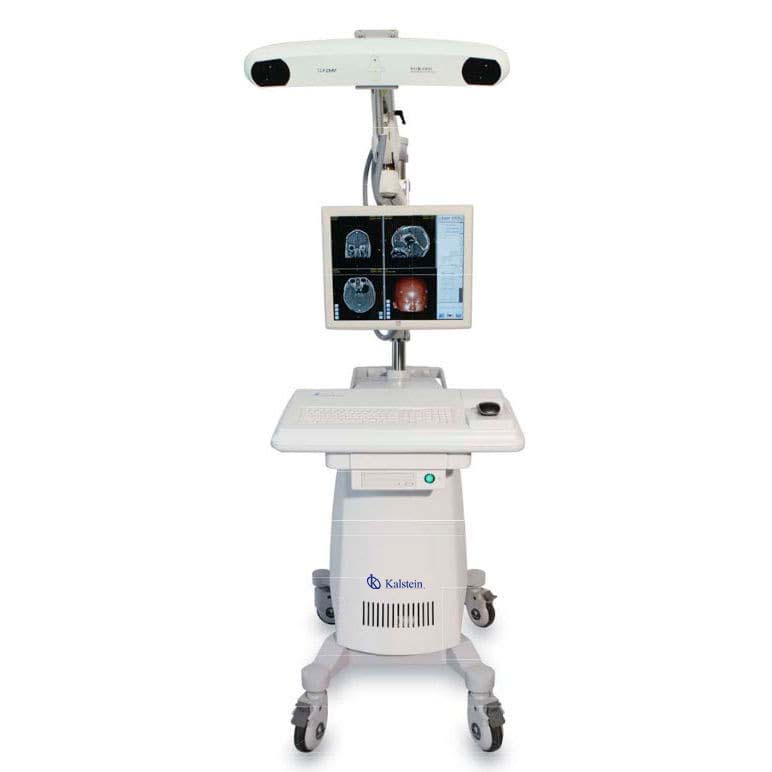
Optical Surgical Navigation: Kalstein
When it comes to innovation in the field of surgery, Kalstein stands at the forefront with its Optical Surgical Navigation systems. Designed to assist surgeons in achieving pinpoint accuracy during procedures, these systems integrate seamlessly into operating rooms around the globe.
Kalstein has developed its navigation systems with a focus on providing intuitive and precise assistance. As someone who has explored various surgical navigation technologies, I can confidently say that the integration of such advanced systems into surgical practices has become indispensable. They’re crafted to enhance outcomes, reduce operating time, and exponentially increase the success rates of complex procedures.
Features of Optical Surgical Navigation
The features of Kalstein’s Optical Surgical Navigation systems are truly remarkable. These systems are designed to aid in the meticulous navigation required in complex surgeries. The technology utilizes real-time data to give surgeons a dynamic 3D view of the operating site, allowing for more accurate guidance.
One of the standout features is the user-friendly interface, which provides seamless interaction and swift adjustments during surgery. The precision and clarity facilitated by this technology ensure minimal invasive routes and enhance the safety of delicate procedures. Additionally, the systems are equipped with robust hardware that guarantees optimal performance within the fast-paced environment of an operating room.
Different Types or Models of Optical Surgical Navigation
Kalstein offers a range of models, each tailored to meet specific surgical needs. The different models are optimized for various specializations, including neurosurgery, orthopedics, and ENT (ear, nose, and throat) surgeries. Each model brings unique capabilities to the table, ensuring surgeons have the right tools for their particular field.
For instance, models designed for neurosurgery focus on offering high precision and comprehensive spatial orientation, which is crucial given the brain’s intricate nature. Orthopedic models prioritize alignment accuracy during implants and joint reconstructions, providing invaluable assistance in achieving perfect bone fitting.
Why Is the Optical Surgical Navigation Priced This Way?
While the price of Optical Surgical Navigation systems might seem high at first glance, it reflects the cutting-edge technology and the immense value they bring to surgical procedures. The investment not only covers the advanced software and hardware components but also includes substantial research and development to ensure these systems are at the pinnacle of surgical assistance technology.
Furthermore, by investing in these systems, hospitals and surgical centers are prioritizing patient outcomes and operational efficiency. The reduction in errors and the enhancement in procedural precision translate into cost savings over the longer term, making this a valuable investment for medical institutions.
Comparing Optical Surgical Navigation with Similar Products
When comparing Kalstein’s Optical Surgical Navigation systems with competitors like Medtronic, Brainlab, and Stryker, several differences stand out. Kalstein systems often feature more streamlined interfaces and a focus on accessibility, making them easier to implement in varying surgical environments.
Medtronic, while offering reliable systems, tends to be higher priced with a focus on research-heavy fields like neurology. Brainlab provides outstanding navigation tools similar to Kalstein’s but lacks the interface intuitiveness that characterizes Kalstein products. Stryker is renowned for its orthopedic solutions, offering competitive navigation support, especially in joint surgeries, but may not offer the same flexibility across diverse surgical fields as Kalstein. The balance of cost, usability, and specialization makes Kalstein a standout option.
Pros and Cons of Optical Surgical Navigation
| Pros | Cons |
|---|---|
| Enhanced surgical precision | Initial high cost |
| Real-time 3D imaging | Learning curve for new users |
| Improved patient outcomes | Requires regular updates and maintenance |
| Reduced operating time | Limited availability in some regions |
| Versatility across multiple surgeries | Training necessary for staff |
| User-friendly interface | Potential technical issues |
| Integration with existing hospital systems | |
| Lower error rates |
Benefits of Using These Optical Surgical Navigations
Optical Surgical Navigation systems provide numerous benefits to both patients and healthcare providers. The accuracy and efficiency these systems introduce dramatically enhance surgical outcomes. Patients benefit from less invasive procedures and faster recovery times due to the precision with which surgeons can operate.
For healthcare providers, these systems facilitate a smoother workflow, reducing the instances of reoperation and increasing overall efficiency within the operating room. Moreover, the ability to provide better care enhances the hospital’s reputation and patient satisfaction.
Other Advantages of Optical Surgical Navigation
Beyond the obvious benefits, Optical Surgical Navigation systems enhance the education and training of new surgeons. With real-time feedback and a clearer understanding of surgical trajectories, trainees can learn from live cases and simulations, gaining valuable experience before performing independently.
The adaptability of these systems also allows for continuous updates and improvements. As medical technology advances, these systems can integrate new features, ensuring they’re always at the cutting edge of surgical assistance.
User References on Optical Surgical Navigation
Feedback from users of Optical Surgical Navigation systems is overwhelmingly positive. Surgeons frequently commend the accuracy and support these systems provide. Many report a newfound confidence in tackling complex procedures due to the increased visualization and control.
A recurring sentiment among users is the significant reduction in intraoperative stress, knowing they have reliable tools to navigate through challenging surgeries. This sentiment is shared not only among seasoned professionals but also among newer surgeons who appreciate the structured guidance such technology offers.
Frequently Asked Questions
How do Optical Surgical Navigation systems improve surgical outcomes?
These systems provide precise real-time 3D imaging, significantly enhancing surgical accuracy and reducing errors.
Are these systems compatible with existing hospital technologies?
Yes, they are designed to integrate easily with most existing hospital systems, facilitating seamless adoption.
Does the initial investment outweigh long-term costs?
The long-term cost savings from reduced errors, improved outcomes, and operational efficiencies often outweigh the initial investment.
Can these systems be used for any type of surgery?
They are versatile and can be adapted for a wide range of surgical specialties, including neurosurgery and orthopedics.
What kind of training is required for surgeons?
Training is required to familiarize surgeons with the software and ensure they can utilize its full capabilities effectively.
How often are system updates needed?
Regular updates ensure the systems remain at the cutting edge of medical technology, though frequency can vary by use and technological advances.
Final Recommendations on Optical Surgical Navigation Systems
For any hospital or surgical center looking to enhance their capabilities and improve surgical outcomes, investing in Optical Surgical Navigation systems is a wise decision. The immediate and long-term benefits far outweigh the costs, providing improved patient care and operational efficiencies. As someone who has seen these systems in action, I am confident in their ability to revolutionize surgical procedures and enhance the overall standard of care provided to patients. To explore more about these systems, visit https://kalstein.nl/category-product/medical-line/optical-surgical-navigation/.